Inside the 1995 Vellore Fort Escape: How 43 LTTE Cadres Fled Through a Secret Tunnel
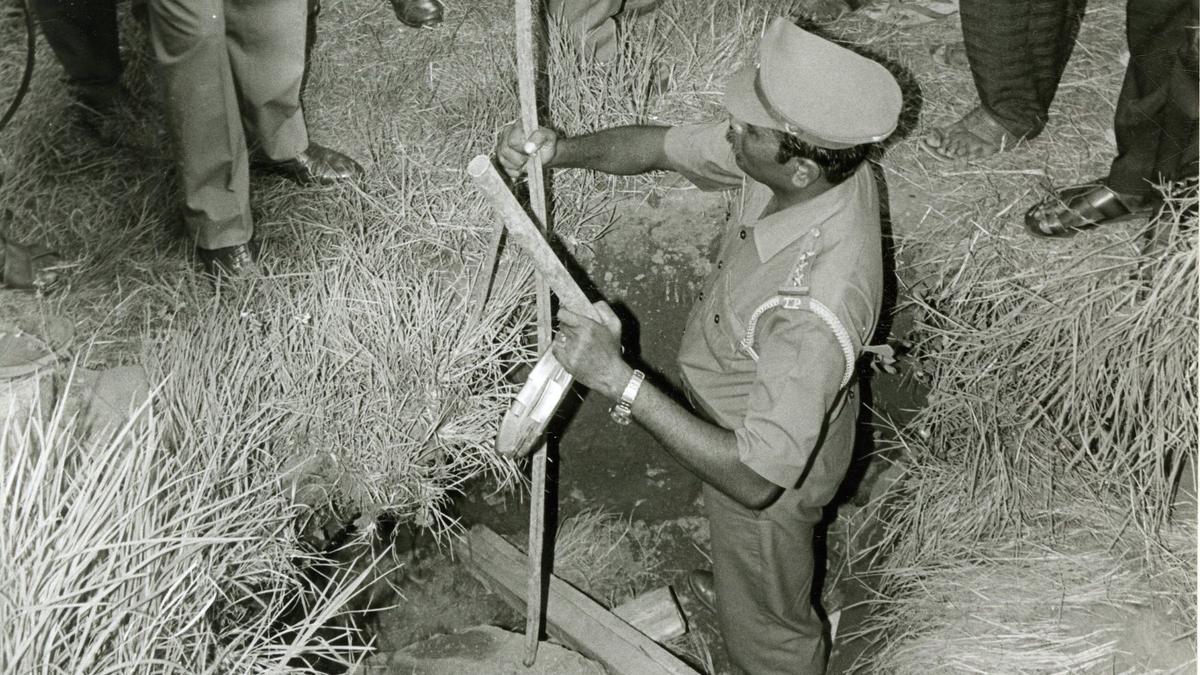
- •Forty-three Liberation Tigers of Tamil Eelam militants, including four women, successfully broke out of a special detention facility at Vellore Fort in 1995.
- •The detainees covertly excavated a 153-foot subterranean passage originating from a restroom inside the historic Tippu Mahal straight to the surrounding water moat.
- •The sophisticated escape bypassed a multi-tiered security apparatus, prompting immediate nationwide inquiries and sweeping overhauls of high-risk prisoner management.
In a stunning breach of national security that reverberated across the Indian subcontinent, forty-three Liberation Tigers of Tamil Eelam (LTTE) insurgents—comprising thirty-nine men and four women—successfully fled from a high-security holding facility inside the historic Vellore Fort in 1995 by executing a meticulously planned subterranean escape.
Historically, the facility served as a specialized confinement zone designated for high-risk operatives associated with the Sri Lankan separatist conflict. The operation demonstrated an extraordinary level of clandestine coordination, as the detainees managed to conceal extensive excavation activities over an extended duration from the authorities overseeing the fortress.
According to investigative archives and reports published by The Hindu, the extremists covertly dug an astonishing 153-foot tunnel originating directly from a bathroom within the colonial-era Tippu Mahal and extending outward toward the fortress's perimeter moat, allowing them to slip away undetected in structured batches under the cover of night.
In the wake of the incident, national security apparatuses and intelligence agencies initiated comprehensive reviews of high-security containment protocols, leading to permanent operational changes in how high-profile militant detainees are monitored across federal and state correctional facilities.