Karnataka's Gruha Lakshmi Scheme Empowers Women to Boost Household Incomes, Official Review Reveals
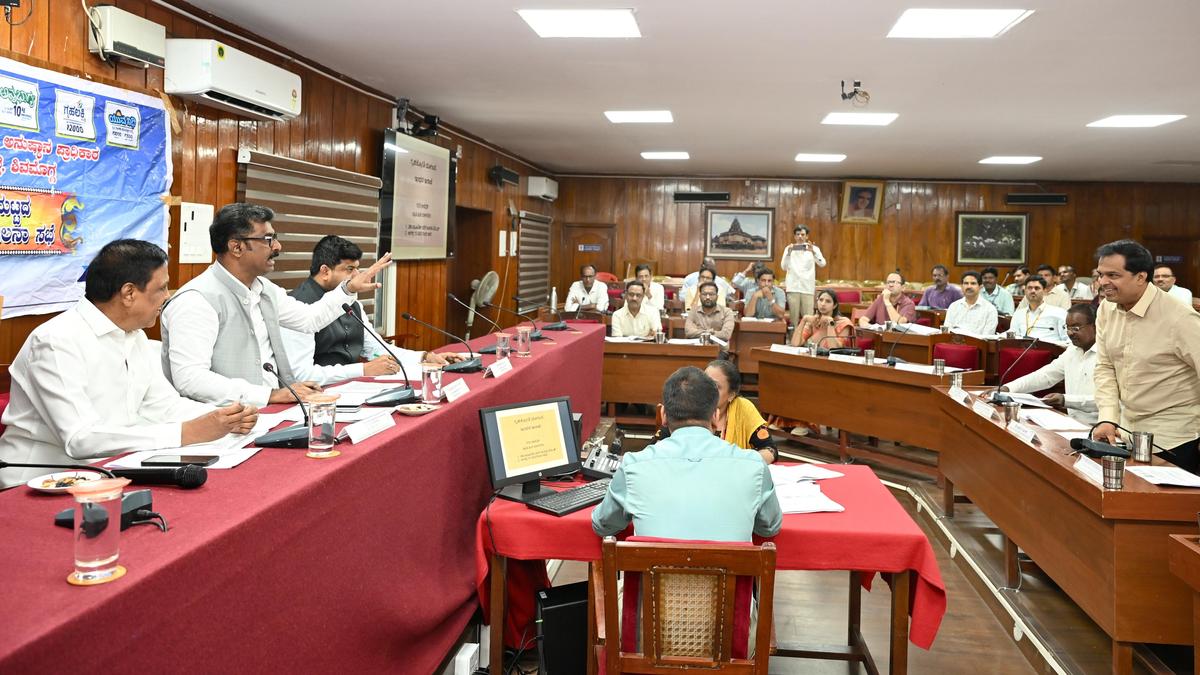
- •Beneficiaries in Shivamogga are successfully redirecting welfare funds toward income-generating activities.
- •State Guarantee Schemes Implementation Authority leadership recently conducted on-ground assessments.
- •The initiative demonstrates the potential for direct financial support to foster grassroots economic resilience.
Beneficiaries of Karnataka's flagship Gruha Lakshmi financial assistance program in Shivamogga have successfully channeled their stipends into micro-enterprises and revenue-generating pursuits, according to findings revealed during a recent administrative evaluation. The review, spearheaded by the vice-chairperson of the State Guarantee Schemes Implementation Authority, underscores an unexpected shift from basic consumption to sustainable financial independence among participating households.
Rolled out as part of a broader electoral promise by the state administration, the Gruha Lakshmi initiative was originally conceived to provide direct income support to female heads of households, alleviating inflationary pressures and promoting gender equity. Over the past months, the program has evolved from a simple social safety net into a catalyst for localized economic activity, drawing keen interest from policy analysts and government monitors alike.
According to reports by The Hindu, interactions with local recipients during the Shivamogga field visit illustrated how small infusions of capital are being leveraged for small-scale trade, tailoring, and agricultural endeavors. Officials noted that the measurable uplift in local financial autonomy validates the architecture of the welfare rollout, proving that direct-benefit transfers can effectively stimulate grassroots commerce.
Moving forward, the State Guarantee Schemes Implementation Authority plans to compile these grassroots success stories to refine monitoring protocols and potentially expand supportive infrastructure for women entrepreneurs. As other regional administrations study Karnataka's welfare model, the focus is shifting toward scaling mentorship and financial literacy programs to ensure long-term stability for program participants.