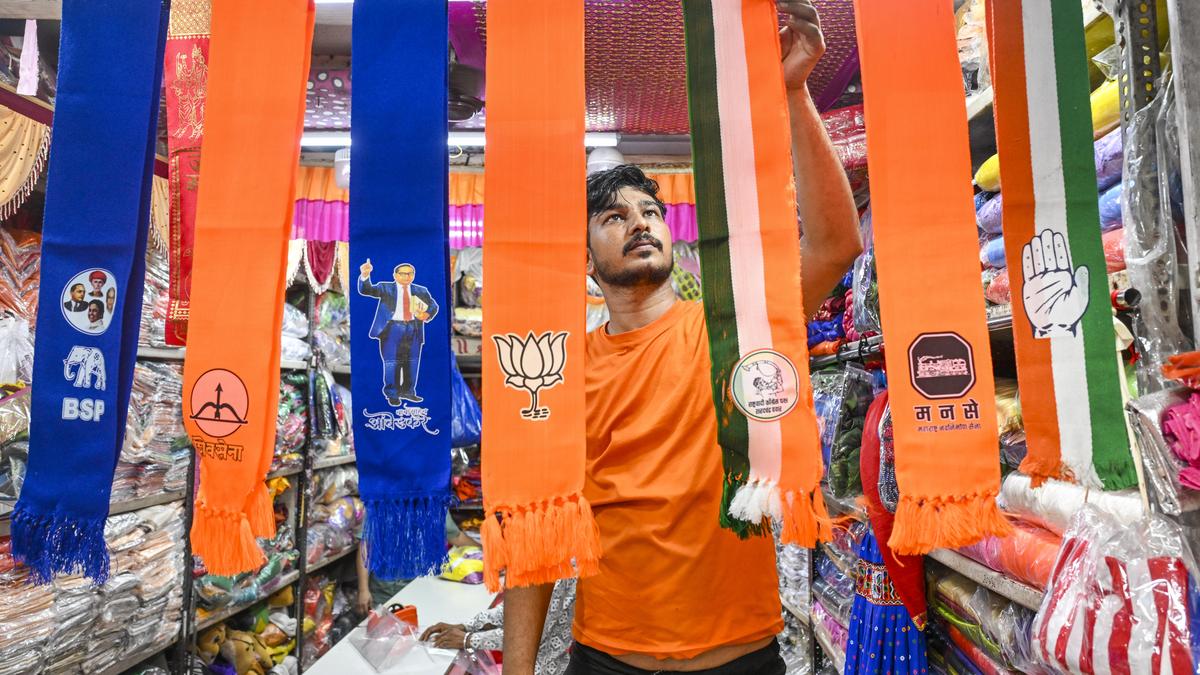
NEW DELHI — As political analysts dissect the latest outcomes surrounding the Member of Legislative Council (MLC) ballots, experts emphasize that interpreting these contest results requires a nuanced understanding of India's parliamentary architecture. These specialized polls determine seats in the Legislative Council, functioning as the Upper House within a state's bicameral legislature.
Historically, the structural design of India's governance model limits these legislative chambers to a select minority of regions. Out of the 28 constituent states in the federal republic, only six maintain this dual-house framework: Uttar Pradesh, Bihar, Maharashtra, Karnataka, Andhra Pradesh, and Telangana. Because the electoral college for these seats comprises specific constituencies—such as graduates, teachers, and local authority representatives—the dynamics differ vastly from traditional general elections.
According to detailed analysis and reporting by The Hindu, political strategists often view these contests as crucial litmus tests for incumbent administrations, yet caution that translating these outcomes into broader statewide forecasts can be misleading. While opposition parties and ruling establishments frequently clash over these seats to signal regional dominance, the specialized voter base prevents these races from serving as a direct reflection of overall public opinion.
Looking ahead, political observers expect major parties to refine their grassroots strategies in the six bicameral states as legislative agendas shift toward upcoming parliamentary and local milestones. The results from these upper chamber races will continue to influence legislative maneuvering and policy debates within these specific state capitals, even if their national predictive value remains heavily debated among political scientists.