Kerala Minister Implicates Devaswom Board Insiders in Sabarimala Ghee Adulteration Scandal
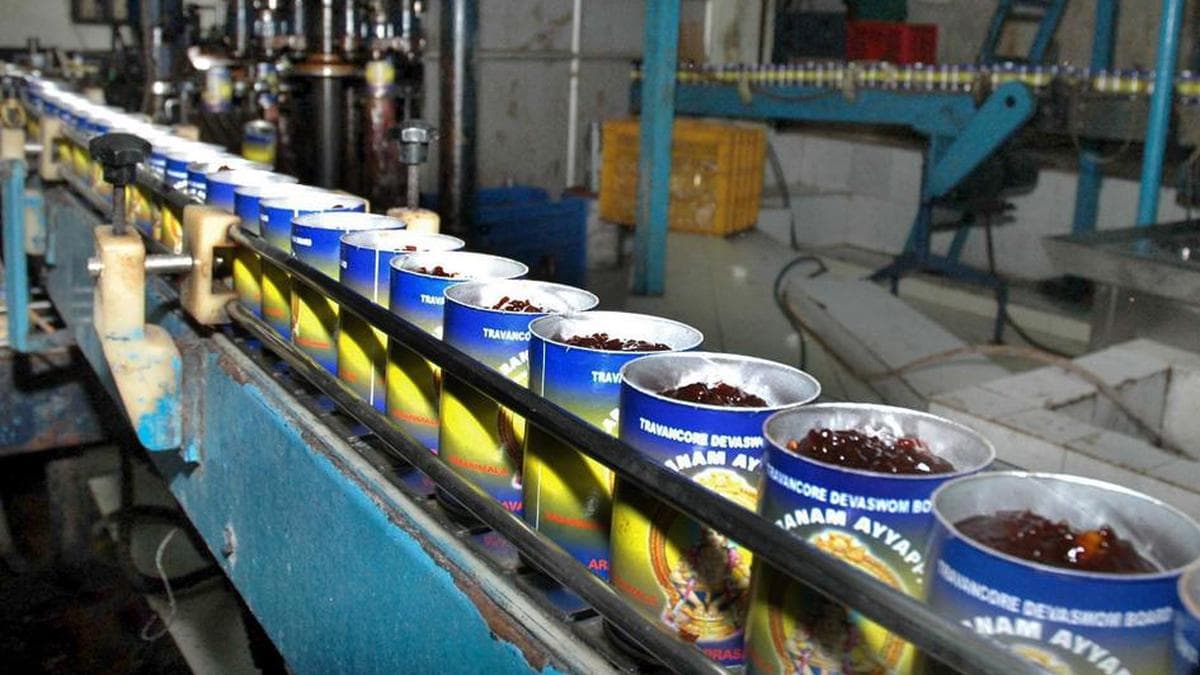
- •State authorities have uncovered a scheme where 11,000 liters of premium Milma ghee meant for Sabarimala rituals were diverted and replaced.
- •Minister V. Muraleedharan publicly claimed that internal temple board functionaries played a direct role in facilitating the adulteration scam.
- •The Vigilance and Anti-Corruption Bureau is expanding its investigation following the apprehension of the primary transport contractor.
Thiruvananthapuram — Kerala Minister V. Muraleedharan dropped a political bombshell on Wednesday by accusing administrative personnel within the Devaswom board of direct involvement in a high-profile temple supply racket. The startling claim comes on the heels of a targeted enforcement operation by the Vigilance and Anti-Corruption Bureau’s Special Investigation Unit, which recently took a transport contractor into custody for allegedly intercepting and replacing thousands of liters of dairy products destined for the Sabarimala shrine.
The unfolding controversy centers around the illicit diversion of roughly 11,000 liters of Milma-branded dairy butter oil procured specifically for sacred culinary preparations at the revered hilltop pilgrimage site. Investigators revealed that the high-grade supplies were systematically swapped with inferior, lower-cost substitutes during transit, compromising both the religious sanctity of the offerings and standard procurement protocols. Such irregularities at premier pilgrimage centers typically provoke widespread public outrage due to the immense spiritual significance attached to temple offerings in the region.
According to investigative briefings highlighted by regional correspondents including The Hindu, the crackdown began after intelligence pointed toward systemic supply chain vulnerabilities exploited by external logistics operators. However, Minister Muraleedharan's assertions shift the spotlight heavily onto internal governance, suggesting that external contractors could not have pulled off the sophisticated switch without administrative connivance and compromised oversight within the religious institution's management hierarchy.
As the Special Investigation Unit deepens its inquiry, anti-corruption watchdogs anticipate further interrogations and potential arrests among administrative ranks in the coming days. The state government is under mounting pressure to institute comprehensive reforms in how temple commodities are audited, transported, and delivered to ensure absolute transparency and restore public trust ahead of future ritual cycles.