Senior Political Leaders Slam Farooq Abdullah Over Controversial Remarks on Pakistan
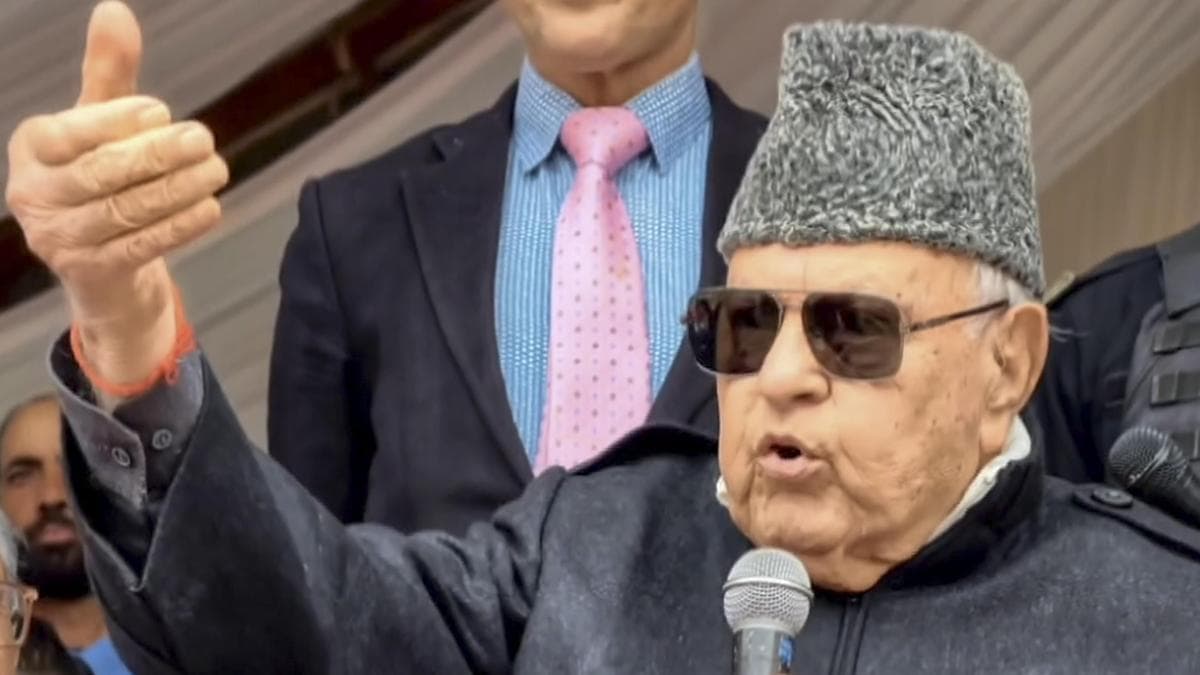
- •Ghulam Nabi Azad and BJP's Altaf Thakur jointly criticized Farooq Abdullah's recent statements regarding Islamabad.
- •Critics argue that praising Pakistan undermines the sovereignty of leaders sworn to the Indian Constitution.
- •The controversy highlights ongoing sensitivities surrounding political narratives and cross-border relations in the region.
Srinagar — Senior political figures Ghulam Nabi Azad and BJP spokesperson Altaf Thakur launched a fierce critique against National Conference leader Farooq Abdullah on Monday, condemning his recent commentary regarding Pakistan's role in the region. The sharp rebukes follow Abdullah's public assertions characterizing Islamabad in a favorable light, sparking an immediate and intense political firestorm across the union territory.
This latest confrontation revives longstanding tensions regarding regional governance, national allegiance, and the delicate diplomatic balance in Jammu and Kashmir. Abdullah, a veteran politician and former chief minister, has frequently navigated complex discussions concerning Indo-Pakistani relations, often drawing scrutiny from both federal loyalists and regional opponents who monitor rhetoric tied to the neighbouring nation closely.
According to reports by The Hindu, ruling party representatives and independent political figures alike have labeled the remarks as fundamentally dangerous to national integrity. A prominent BJP spokesperson argued that any public official who has sworn an oath to uphold the Indian Constitution crosses a definitive red line when granting political legitimacy to adversarial narratives or casting doubt on federal intentions toward local citizens.
As the political fallout continues to unfold, lawmakers and analysts anticipate heightened scrutiny on public discourse surrounding national security and cross-border diplomacy. The incident is expected to reverberate through upcoming local debates, hardening ideological battle lines as parties position themselves ahead of future legislative milestones.