Commuters Fear Severe Bottlenecks Ahead of Staggered Bengaluru Metro Pink Line Launch
Staggered operational rollout plans for the upcoming Pink Line corridor in Bengaluru have sparked widespread anxiety among daily commuters regarding severe transit bottlenecks. Public concern centers on the heavy passenger influx expected at existing transfer stations while crucial underground links remain unfinished.

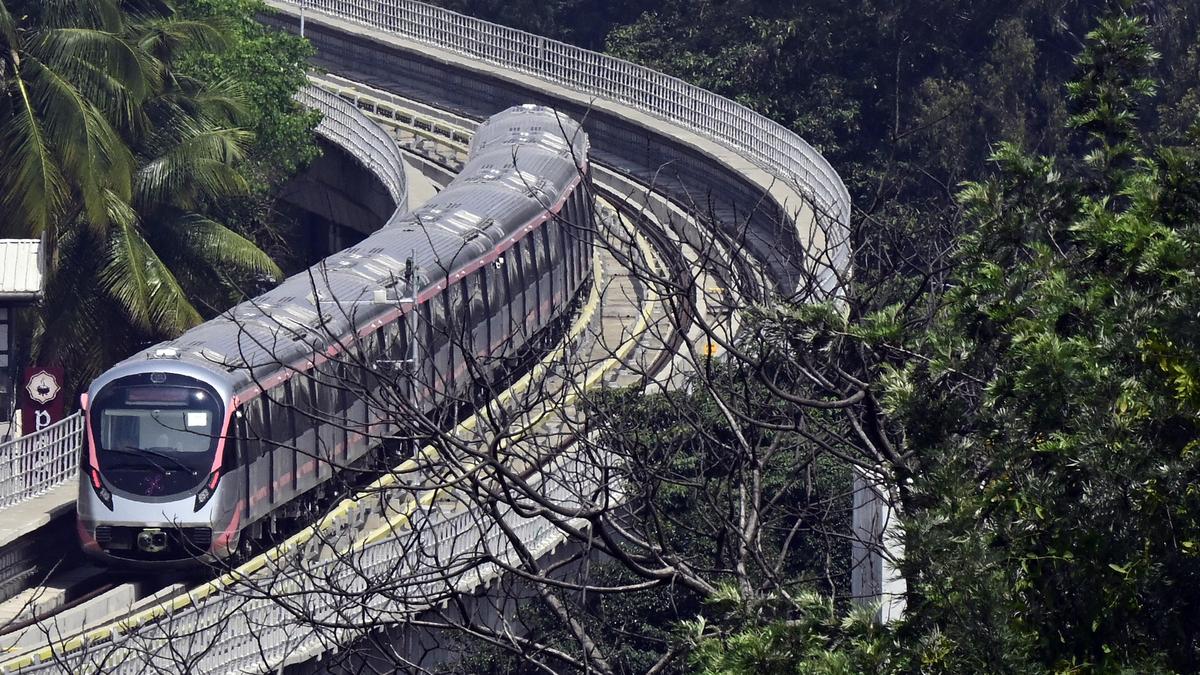
- Partial inauguration plans for the Pink Line risk overwhelming major transfer nodes like the RV Road interchange.
- Delays in finalizing the 13.8-kilometer subterranean segment are fueling commuter anxiety over daily transit gridlocks.
- Transport authorities face mounting pressure to balance phased transit rollouts with passenger management strategies.
BENGALURU — Daily commuters across India's Silicon Valley are voicing serious apprehensions regarding the impending partial rollout of the mass rapid transit Pink Line corridor, warning that staggered deployment will likely paralyze key transfer hubs.
The anxiety stems from extended delays plaguing the network's 13.8-kilometer underground engineering phase, which forces transit planners to launch isolated segments before the complete network integration can take place. This incremental strategy has historically concentrated foot traffic onto a handful of operational nodes, creating severe operational bottlenecks during peak commuting hours.
According to reports by The Hindu, transit users utilizing the crucial RV Road intersection point anticipate unprecedented crowd surges and extended waiting times once the partial route becomes active. Local advocacy groups point out that existing infrastructure at major junctions was never engineered to absorb the concentrated overflow generated by uncompleted feeder corridors.