Sabarimala Pilgrimage Goes Digital: New One-Click Portal Launched for Essential Services
Authorities have rolled out a dedicated digital platform to streamline the pilgrimage season for devotees visiting Sabarimala. The web portal offers real-time transport schedules, localized guidance, and a direct mechanism to report vendor overcharging.

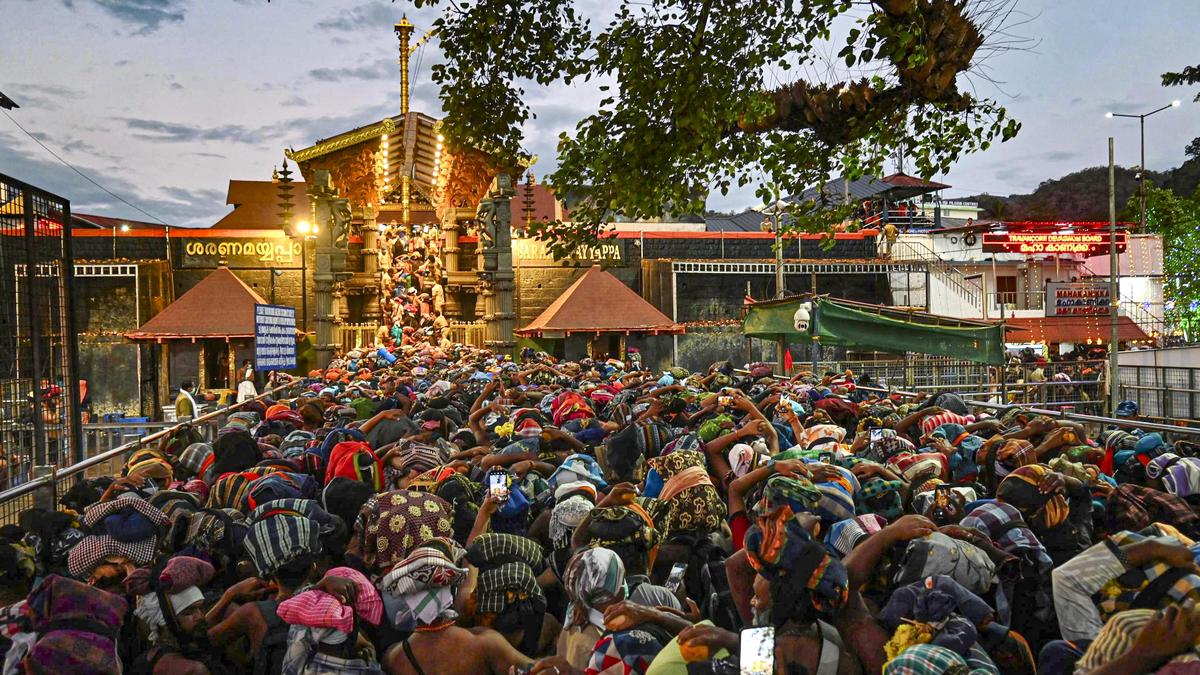
- A newly launched digital platform provides a centralized one-click gateway for travelers visiting the holy sites of Pampa, Nilackal, and Sannidhanam.
- Devotees can now access live updates on public transit options, including regional train and bus timetables.
- The portal integrates a consumer grievance system allowing pilgrims to instantly flag overpricing and submit formal complaints.
NEW DELHI — In a major technological push to modernize crowd management and pilgrim welfare, authorities have unveiled a comprehensive digital gateway for the ongoing Sabarimala pilgrimage season. Accessible via sabariportaldcpta.in, the newly established online hub functions as an all-in-one virtual guide covering critical transit points such as Pampa, Nilackal, and the sacred Sannidhanam, aiming to eliminate traditional logistical hurdles for millions of devotees.
Historically, navigating the massive influx of worshippers during the peak season presented immense administrative challenges, often leading to severe congestion, transportation bottlenecks, and unregulated commercial practices near the shrine. The introduction of this centralized web portal marks a strategic shift toward digital governance, addressing longstanding vulnerabilities in crowd control, transit coordination, and consumer protection within the temple precincts.
According to reports by The Hindu, officials designed the platform not only to assist with navigation and transit logistics but also to empower consumers on the ground. Pilgrims can now effortlessly verify public transportation matrices, review authorized schedules for buses and trains, and utilize a built-in grievance redressal mechanism to challenge unauthorized overcharging by local merchants and vendors.