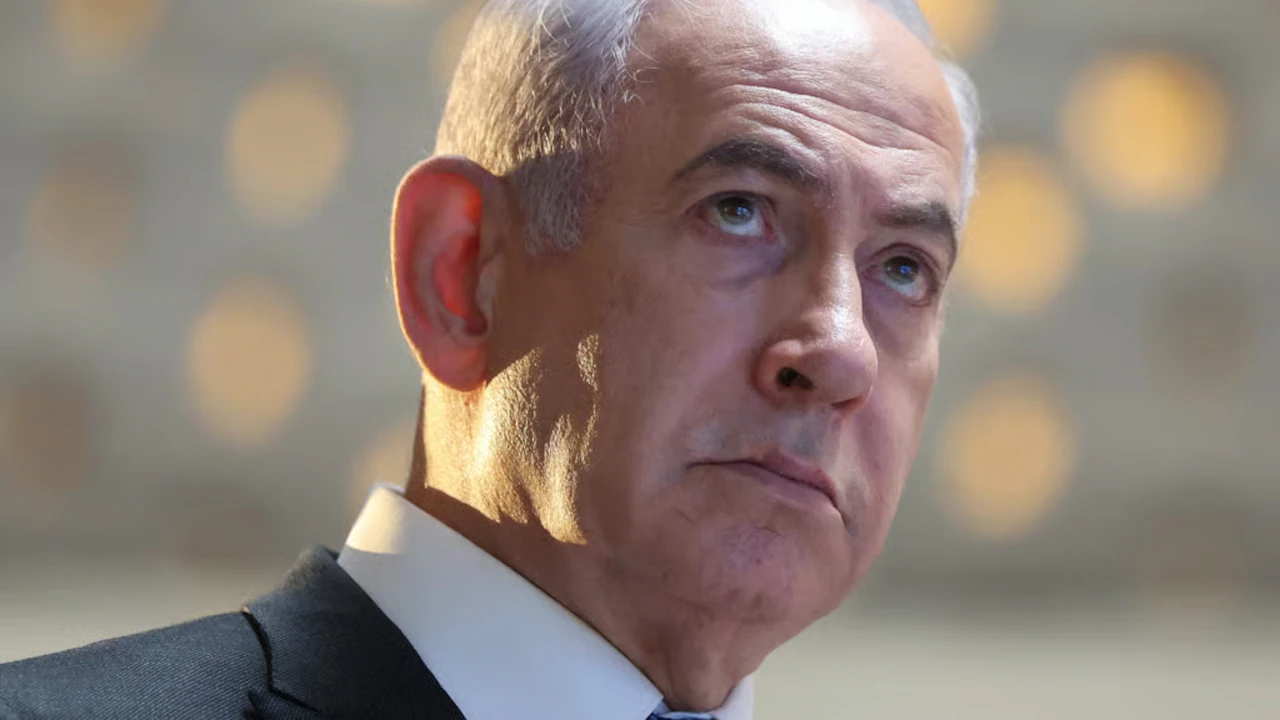
Political analysts are increasingly debating a controversial paradox in Israeli politics, suggesting that Prime Minister Benjamin Netanyahu may have engineered a political survival framework where electoral defeat no longer guarantees his removal from authority. This emerging dynamic centers on the structural resilience of his ruling coalition, which remains tethered despite severe public discontent and unprecedented regional volatility.
To understand this trajectory, one must look at the precedent set by previous political crises in Jerusalem, where shifting legislative alliances and security imperatives have consistently offered lifelines to embattled leaders. Observers note that by tightly consolidating his political base and leveraging ongoing security challenges, the veteran leader has effectively insulated his core governance structure from standard democratic accountability measures.
According to analytical reports highlighted by NDTV India, political commentators point out that the opposition struggles to present a unified alternative capable of fracturing Netanyahu's parliamentary bloc. Experts argue that while public sentiment may heavily favor a change in leadership, the intricate mechanics of Israel's parliamentary system grant incumbent leaders extraordinary leverage to delay or neutralize political threats.
Looking ahead, the broader implications of this political durability suggest that Israel's governance model may face prolonged institutional friction as the gap between public will and legislative reality widens. Observers anticipate that upcoming parliamentary sessions will test the breaking point of these survival strategies, potentially setting a dramatic precedent for democratic resilience in the Middle East.