Kerala Home Leadership Defends Controversial RTI Exemption for Anticorruption Units
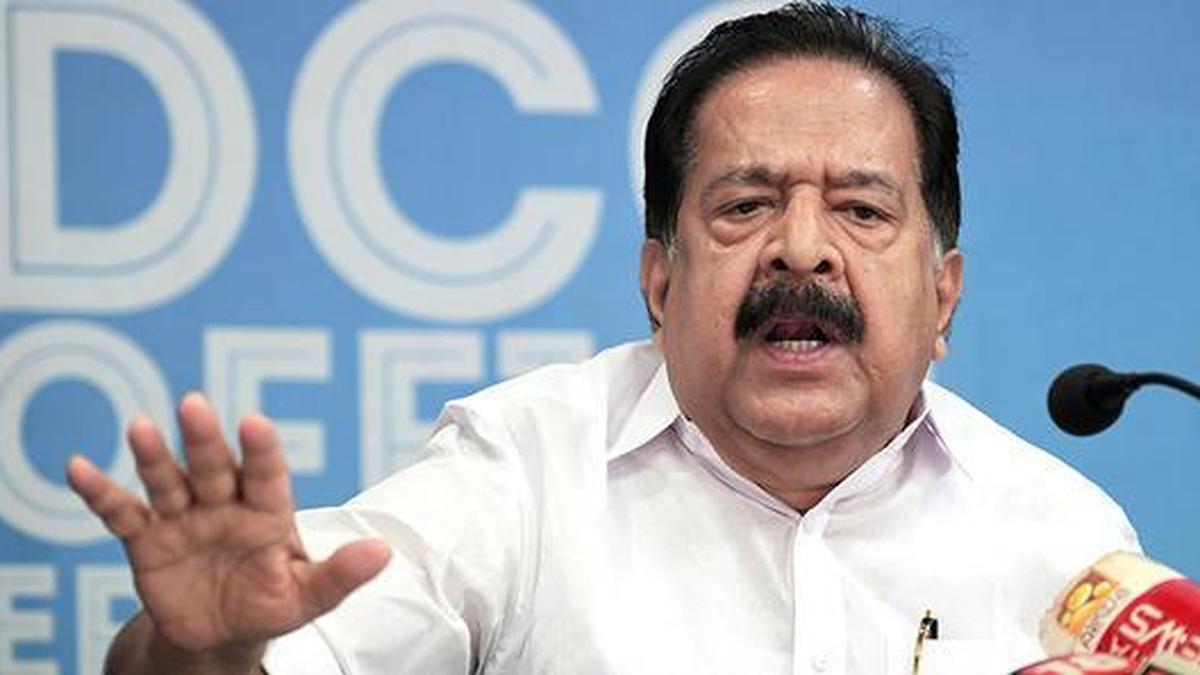
- •Kerala defends shielding top-secret vigilance divisions from Right to Information queries.
- •Officials argue public disclosures could jeopardize sensitive investigations and aid the corrupt.
- •The policy shift stems directly from formal recommendations issued by the state's Vigilance Director.
Thiruvananthapuram — Kerala Home Minister Ramesh Chennithala has strongly defended the decision to exempt high-level, confidential sections of the state vigilance apparatus from the purview of the Right to Information (RTI) Act, maintaining that absolute discretion is vital for maintaining state security and investigative integrity.
The administrative adjustment touches upon a sensitive intersection between transparency and law enforcement effectiveness. Historically, investigative agencies have often pushed back against broad public disclosure mandates, arguing that premature leaks can severely hamper complex sting operations and evidentiary gathering against powerful figures.
According to reports by The Hindu, the executive justification rests heavily on the premise that releasing sensitive case files could inadvertently tip off targets, allowing corrupt individuals to evade justice. Proponents of the exemption emphasize that safeguarding ongoing intelligence gathering outweighs the general public's right to immediate document access.
As the debate over transparency versus operational secrecy intensifies, civil rights advocates and political opposition groups are expected to challenge the broad scope of the exemption. The unfolding situation will likely prompt judicial scrutiny regarding the appropriate limits of transparency laws in state-level anti-corruption architecture.