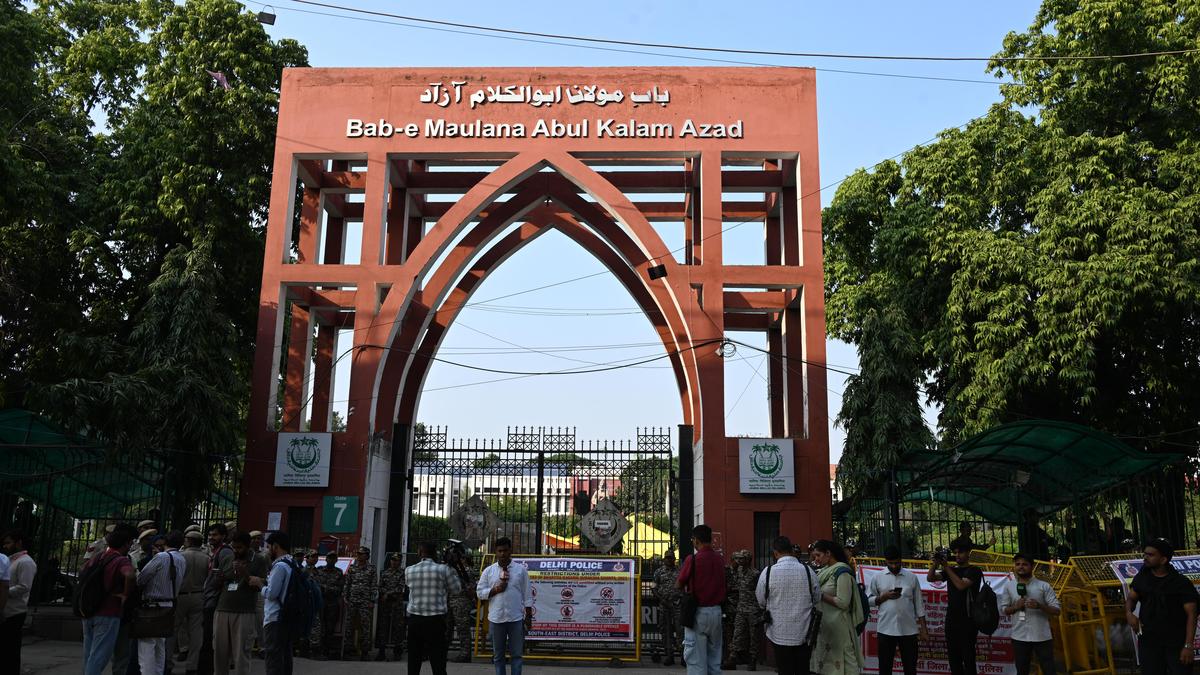
NEW DELHI — As student demonstrations flare up at Jamia Millia Islamia, renewed attention has been cast on the foundational regulatory framework that governs university polls across India. At the core of the ongoing discourse is the seminal report submitted on May 23, 2006, by a specialized committee spearheaded by former Chief Election Commissioner J.M. Lyngdoh.
Commissioned to reform university politics, the panel was tasked with addressing the rampant commercialization and violent factionalism plaguing academic institutions. The resulting directives fundamentally transformed how student union polls are conducted, placing strict financial ceilings on candidate expenditures, establishing eligibility criteria based on attendance and academic performance, and banning outside political interference.
According to investigative analyses published by The Hindu, the primary impetus behind the 2006 recommendations was the acute concern that institutional bodies were devolving into mere proxies for regional and national political parties. The committee argued that direct alignment with external political entities actively fractured student bodies along partisan lines, ultimately detracting from the primary educational mission of universities.
As academic authorities and student bodies navigate the current impasse at Jamia, experts anticipate heightened scrutiny over the enforcement of these electoral codes nationwide. The unfolding situation underscores a broader national struggle to balance democratic student representation with the imperative of maintaining peaceful, academically focused campuses.