india
By Wire Chronicle Bureau•Saturday, October 31, 2026 at 08:17 AM2 min readVerified Wire Report
Madras High Court Rules Phonetic Similarity in Restaurant Trademarks Can Confuse Consumers
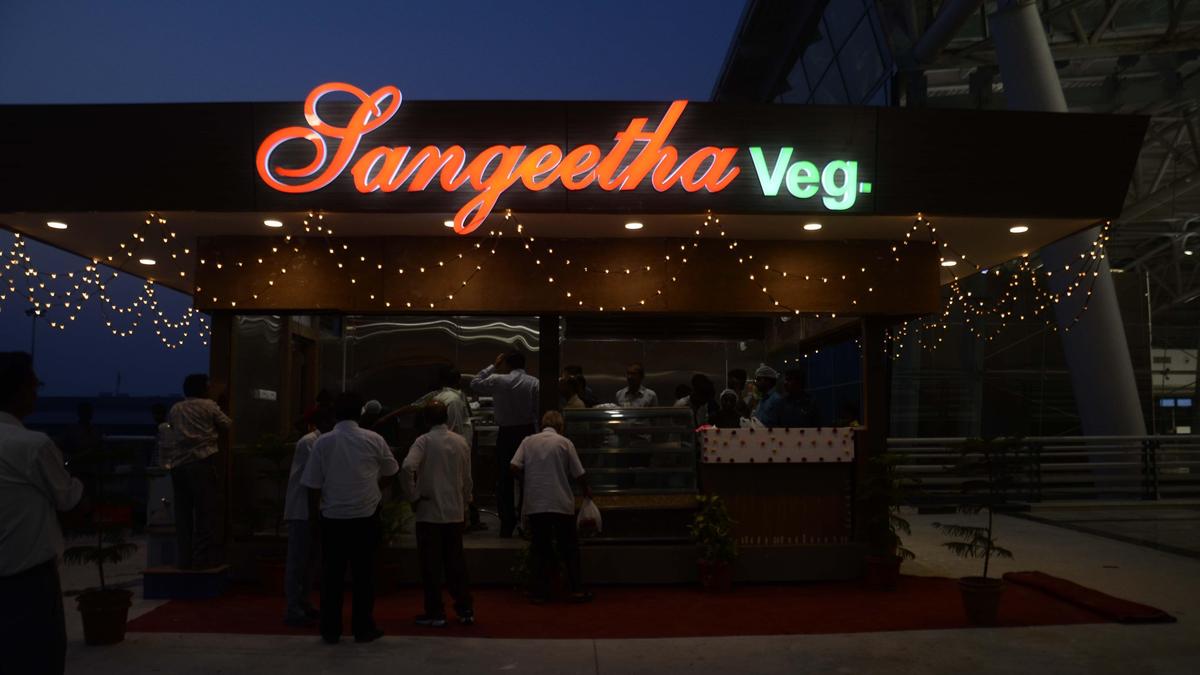
CHENNAI — Delivering a compelling verdict on intellectual property rights within the food and hospitality sector, the Madras High Court declared that a starving customer is entirely incapable of discerning subtle spelling discrepancies between competing restaurant titles such as 'Sangeetha' and 'Sangetha'. Presiding over the trademark litigation, Justice P.B. Balaji addressed the practical realities of consumer behavior, noting that visual distinctions easily blur when patrons are focused entirely on finding sustenance.
This judicial intervention highlights ongoing legal battles within India's bustling culinary market, where established dining establishments frequently contest emerging rivals over brand imitation and deceptive phonetic naming conventions. Trademark protection in the food service industry has historically relied on preventing marketplace confusion, making the cognitive state of the average buyer a central theme in modern judicial interpretations.
According to legal analysts reviewing insights from The Hindu, the bench vividly illustrated the psychological impact of starvation by quoting the revered Tamil poetess Avvaiyar's timeless maxim, 'Pasi Vandhal Pathum Paranthu Pogum', alongside the popular regional idiom, 'Pasi Kanna Kattuthu'. These cultural references were deployed to establish judicial recognition that extreme hunger diminishes a person's capacity for meticulous visual inspection.
Legal experts anticipate that this ruling will embolden brand owners to aggressively challenge deceptive phonetic variants across India's commercial landscape. Moving forward, trademark tribunals and lower courts are expected to increasingly weigh consumer psychology and visceral human experiences alongside strict statutory definitions when adjudicating similar intellectual property disputes.