india
By Wire Chronicle Bureau•Saturday, October 31, 2026 at 09:19 AM2 min readVerified Wire Report
Jairam Ramesh Slams Revisionists, Highlights Indira Gandhi's Deep Reverence for Sardar Patel
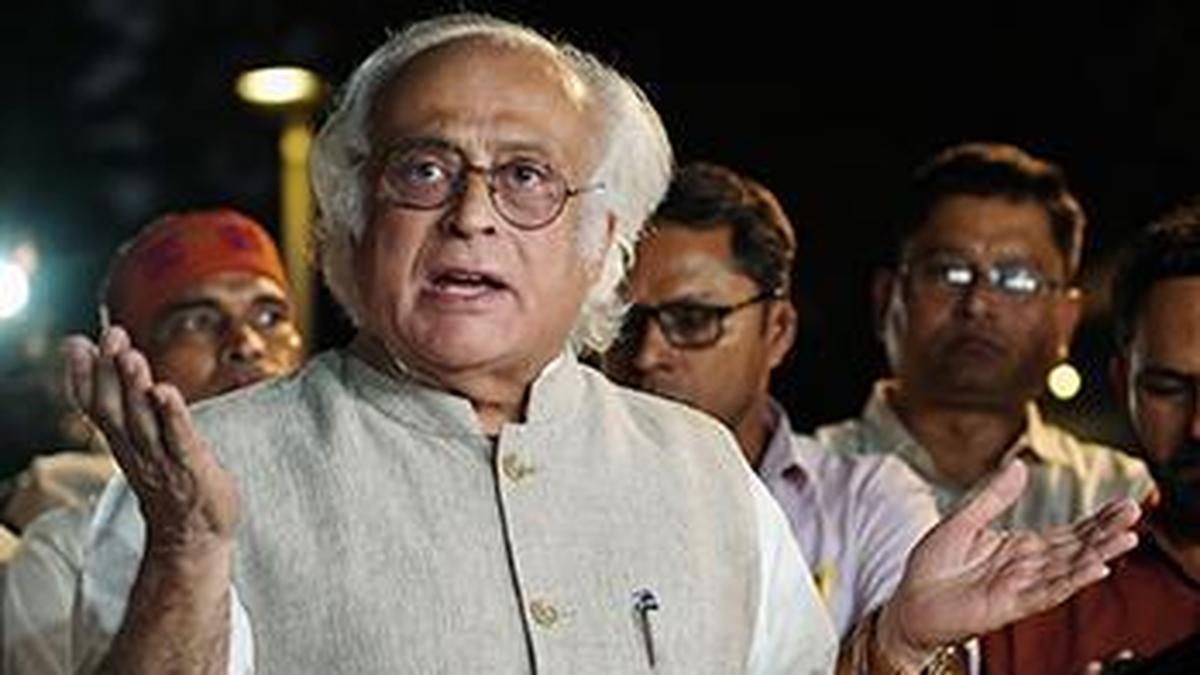
NEW DELHI — Senior Indian National Congress leader Jairam Ramesh forcefully pushed back against revisionist narratives on Thursday, sharing a rare historical photograph from 1947 depicting a young Indira Gandhi warmly greeting statesman Sardar Vallabhbhai Patel. Distributed across digital platforms, the archival image emerged as a central talking point during the concurrent national observance of Patel's birth anniversary and the memorial day commemorating the assassination of India's first female prime minister.
The timing of the photograph's release carries profound historical significance within India's turbulent political landscape, where the legacies of founding national figures are frequently weaponized by contemporary factions. Political detractors have occasionally attempted to portray historical friction between the Nehru-Gandhi family and the Iron Man of India, Sardar Patel. By bringing this artifact to light, the opposition seeks to reinforce a narrative of unity, mutual admiration, and collaborative nation-building during the tumultuous era immediately following independence and the partition of British India.
According to reports published by The Hindu, Ramesh pulled no punches in his public statement, explicitly condemning what he termed "distorians" for attempting to rewrite the historical record. He asserted that such partisan actors fundamentally fail to comprehend or erase the deep-seated reverence that Indira Gandhi consistently maintained for Patel's monumental contributions to the unification of the nascent republic. Political analysts note that this defense is part of a broader, concerted communications strategy by the grand old party to reclaim ownership of foundational nationalist icons.
As political discourse in India grows increasingly polarized ahead of upcoming electoral battles, the struggle for ideological lineage remains fierce. Observers expect further archival disclosures and public debates as rival political organizations continue leveraging the historical footprints of iconic leaders to legitimize their contemporary political philosophies and appeal to an electorate deeply conscious of its national heritage.