india
By Wire Chronicle Bureau•Saturday, October 31, 2026 at 12:18 AM2 min readVerified Wire Report
Ex-Bureaucrat Moves Delhi HC Over 'Large-Scale' CAPF Deployment, Citing MHA Secrecy
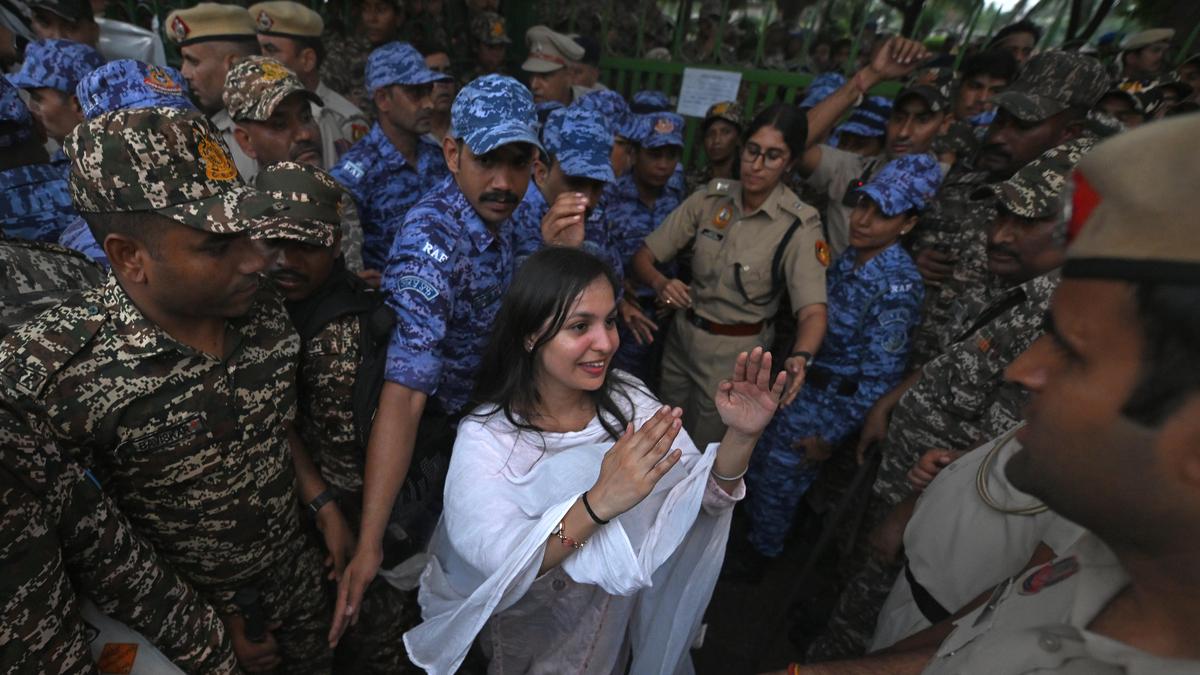
A former Indian Administrative Service officer has filed a petition before the Delhi High Court demanding a public disclosure of the scale and legal basis for Central Armed Police Forces deployment during recent protests in the national capital. The Public Interest Litigation alleges that the Delhi Police and the Union Ministry of Home Affairs have refused to reveal the details of requisition orders and the specific sanction extensions issued by the MHA, prompting concerns over arbitrary executive action.
The move comes amid a recurring pattern of heavy CAPF presence at protest sites across Delhi, a practice that has intensified over the past decade amid heightened political and social unrest. Legal analysts note that while the Ministry of Home Affairs periodically sanctions such deployments under emergency provisions, the lack of transparent audit trails has drawn criticism from civil society and former bureaucrats alike. The petitioner argues that without public disclosure, accountability mechanisms remain opaque, undermining the democratic principle of checks and balances.
In response, the Delhi Police have declined to comment directly on the pending litigation, referring all queries to the MHA, which has yet to issue an official statement on the court's notice. 'The petition raises fundamental questions about the secrecy surrounding security apparatus deployment,' said a senior law professor at a Delhi university, speaking on condition of anonymity. Advocacy groups have echoed the sentiment, emphasizing that transparency in requisition processes is essential to prevent potential misuse of force during peaceful assemblies.
The High Court is expected to list the matter for an early hearing, where the petitioner will likely press for an interim order compelling the production of the requisition documents and MHA sanction orders. Observers warn that the ruling could set a significant precedent for future cases involving security deployments during protests across India, potentially reshaping the relationship between the executive, the judiciary, and civil liberties. If the court sides with the petitioner, it may force a policy overhaul in how requisitions are documented and disclosed in the future.