Delhi Traders Warn of ₹10,000 Crore Losses, Demand Postponement of November 1 Congress Rally
- •Over 20 major commercial districts in Old Delhi face total operational paralysis ahead of the upcoming festive season.
- •Business leaders estimate potential revenue losses to soar as high as ₹10,000 crore due to anticipated traffic gridlock.
- •Traders have formally urged the political leadership to postpone the November 1 demonstration to safeguard commercial interests.
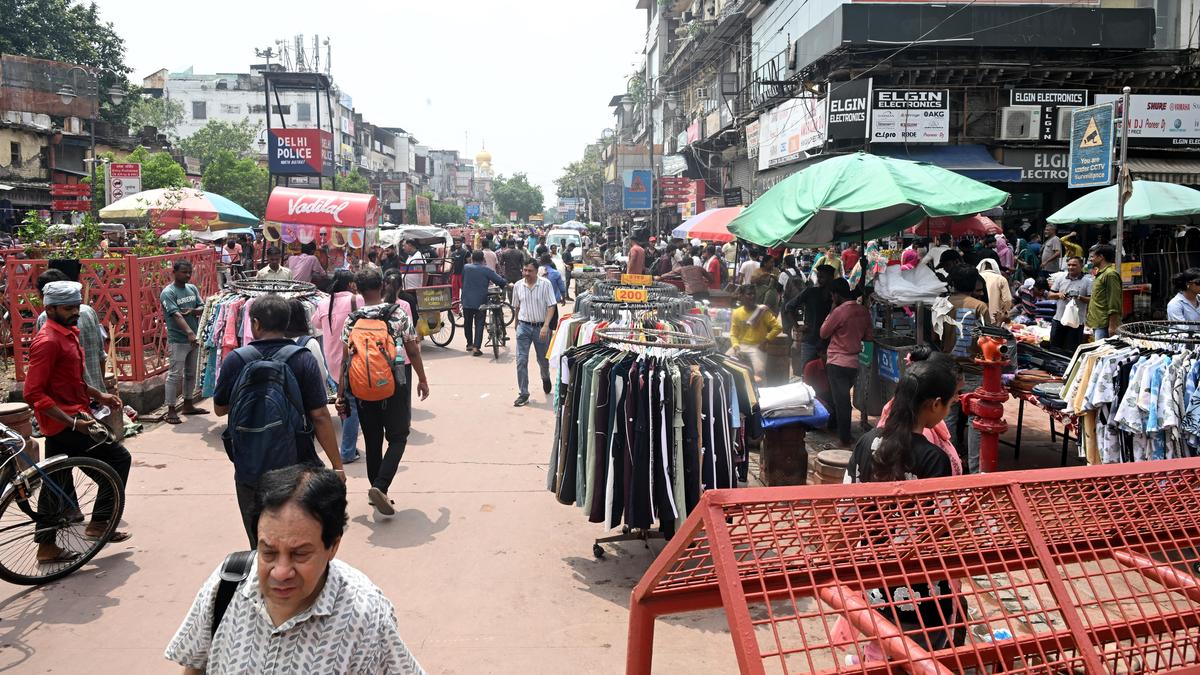
NEW DELHI — Representatives from twenty-one prominent trading zones across the national capital have formally petitioned authorities to reschedule a high-profile political rally planned for November 1, citing catastrophic economic repercussions for the region. Business leaders warn that the mass gathering, organized by the Congress party, will paralyze commercial activities throughout historic Old Delhi precisely during a critical retail period.
The impending disruption threatens to choke vital supply chains and pedestrian movement in some of the country's most densely packed wholesale and retail hubs. Historically, early November marks peak shopping momentum leading up to major festivities, making any large-scale logistical bottlenecks particularly damaging to merchants who rely heavily on steady, uninterrupted customer footfall and freight transit.
According to reports by The Hindu, local trade federations have expressed deep dismay over the lack of prior consultation regarding the event's logistics. Merchants emphasized that sealing off access roads and restricting vehicular entry will strand incoming inventory, leaving storefronts empty and compounding the financial vulnerability of small and medium-scale shopkeepers already recovering from previous market disruptions.
Looking ahead, commercial associations are pressing local law enforcement and political organizers for an immediate dialogue to find an alternative venue or date. Should the rally proceed as scheduled without mitigation measures, industry analysts predict enduring impacts on regional supply networks and a severe blow to trader confidence moving into the winter fiscal quarter.