Bengaluru Families Pay ₹3,000 Monthly for Water as Groundwater Depletion Reaches Critical Levels
A volunteer-led survey reveals Bengaluru families paying up to ₹3,000 per month for water as the city loses 400 million litres daily and extracts groundwater at nearly double the replenishment rate. Experts warn the crisis reflects systemic mismanagement and looming scarcity for millions.

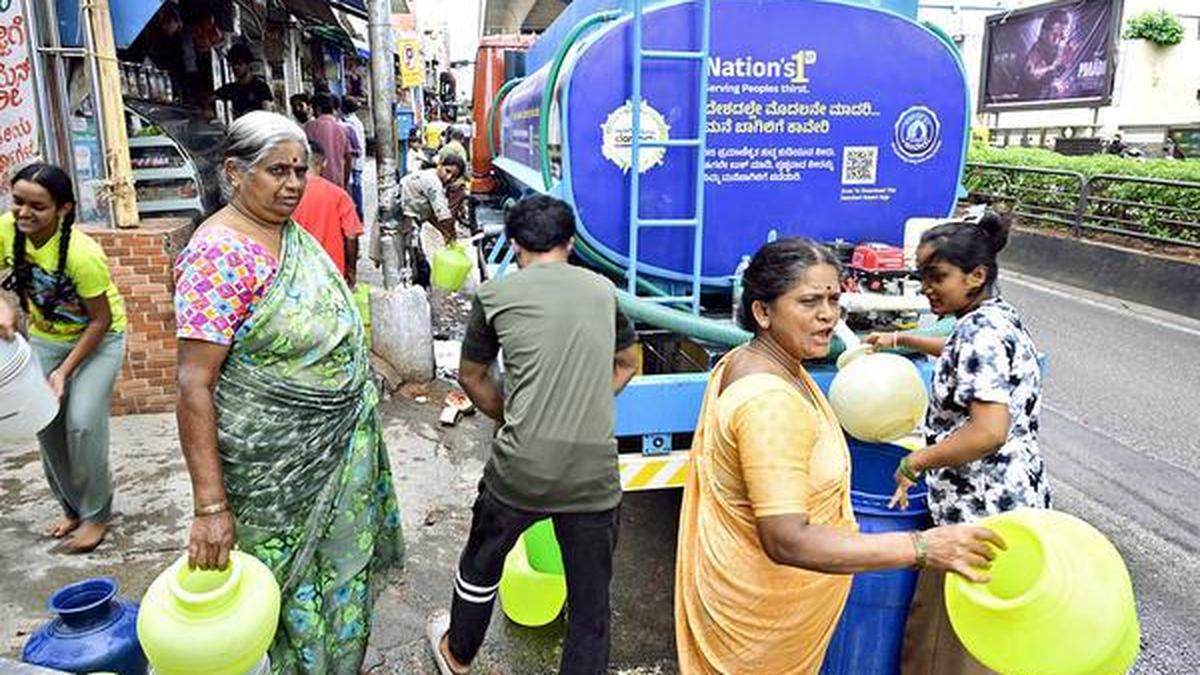
- Bengaluru's groundwater is being depleted at nearly twice the rate of natural replenishment, exacerbating a city-wide scarcity.
- Residents are spending up to ₹3,000 monthly out-of-pocket for water amid a daily loss of 400 million litres from piped supplies.
- The Water Satyagraha volunteer survey underscores the urgent need for policy intervention and infrastructure reform.
Bengaluru residents are reportedly paying as much as ₹3,000 per month for water, according to a volunteer-led survey that highlights the city's deepening hydraulic crisis. The report, compiled under the Water Satyagraha campaign, comes as Bengaluru loses approximately 400 million litres of piped water daily and extracts groundwater at nearly twice the rate at which it is naturally replenished.
Bengaluru's water woes are not new; the city of over 10 million has long struggled with unplanned urbanization, falling water tables, and infrastructure leakage. Experts cite decades of unchecked borewell drilling, encroachment of lakes, and a growing population straining an already fragile hydrological balance. The latest survey amplifies warnings from environmentalists who have long flagged the city's unsustainable water consumption patterns.
Syed Ahmed Hussain, convenor of the Water Satyagraha campaign and the survey's lead coordinator, stated that the findings reflect a 'ground-level reality' often overlooked in official statistics. When families spend a third of their monthly income just to secure a basic necessity, the city has a moral and operational crisis on its hands, Hussain said. Meanwhile, civic authorities have acknowledged the leakage figures but emphasized ongoing infrastructure upgrades and rainwater harvesting initiatives aimed at long-term resilience.