US Flags Emerge as Shield for Palestinian-American Homes Amid West Bank Settler Violence
Palestinian-American residents across the occupied West Bank are flying United States flags outside their properties to deter escalating attacks by Israeli settlers. This desperate tactic highlights the growing security vacuum and the perceived protective shield of American citizenship in volatile territories.


- Palestinian Americans in the West Bank are displaying US flags on their residences to ward off aggressive settler raids.
- The unusual defensive measure underscores mounting fears of violence and a perceived lack of adequate local protection.
- Human rights advocates and international observers are closely monitoring the geopolitical implications of using American symbols in occupied zones.
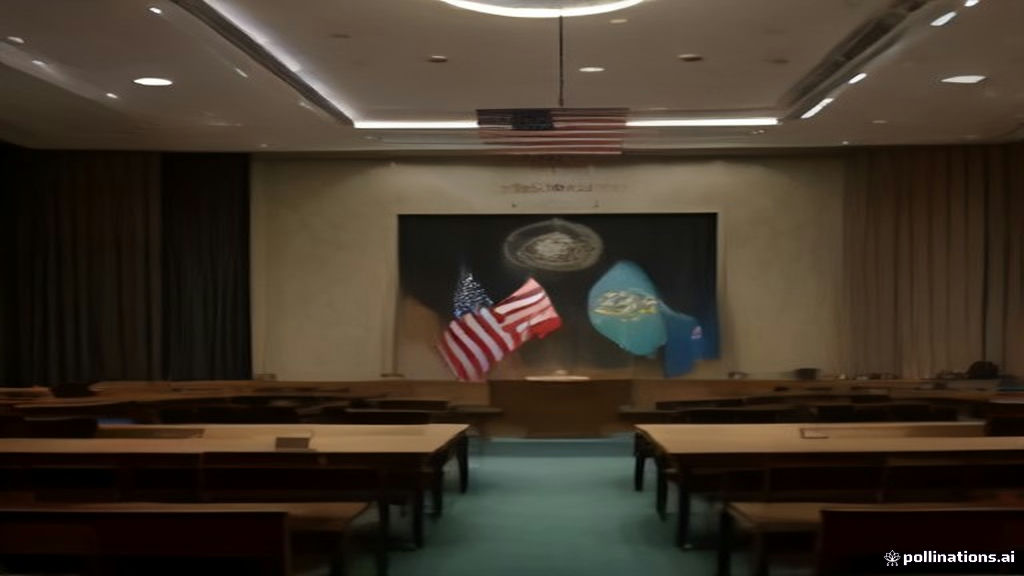
In a desperate bid to safeguard their families and properties from violent settler rampages, numerous Palestinian-American residents throughout the occupied West Bank have begun hoisting United States flags over their homes. This tactical display is increasingly utilized as a visual deterrent against nighttime assaults and property destruction in communities experiencing a sharp escalation in localized hostilities.
This defensive strategy emerges against the backdrop of a decades-long territorial conflict that has seen a severe deterioration in security for non-Israeli populations across Area C and surrounding sectors. With localized patrols frequently unable or unwilling to curb aggressive incursions, dual nationals are leveraging their American identity, hoping that the visible presence of the Stars and Stripes will give hostile groups pause out of fear of drawing direct diplomatic fallout from Washington.
According to recent field reporting by Al Jazeera, community members feel compelled to adopt these measures due to a pervasive sense of abandonment by both domestic authorities and international protectors. Human rights organizations note that the psychological toll on these families is immense, forcing them to rely on symbolic deterrence rather than institutional law enforcement to secure their basic safety.