Record High Fuel Costs Dominate US Midterms as Transportation Policy Takes Center Stage
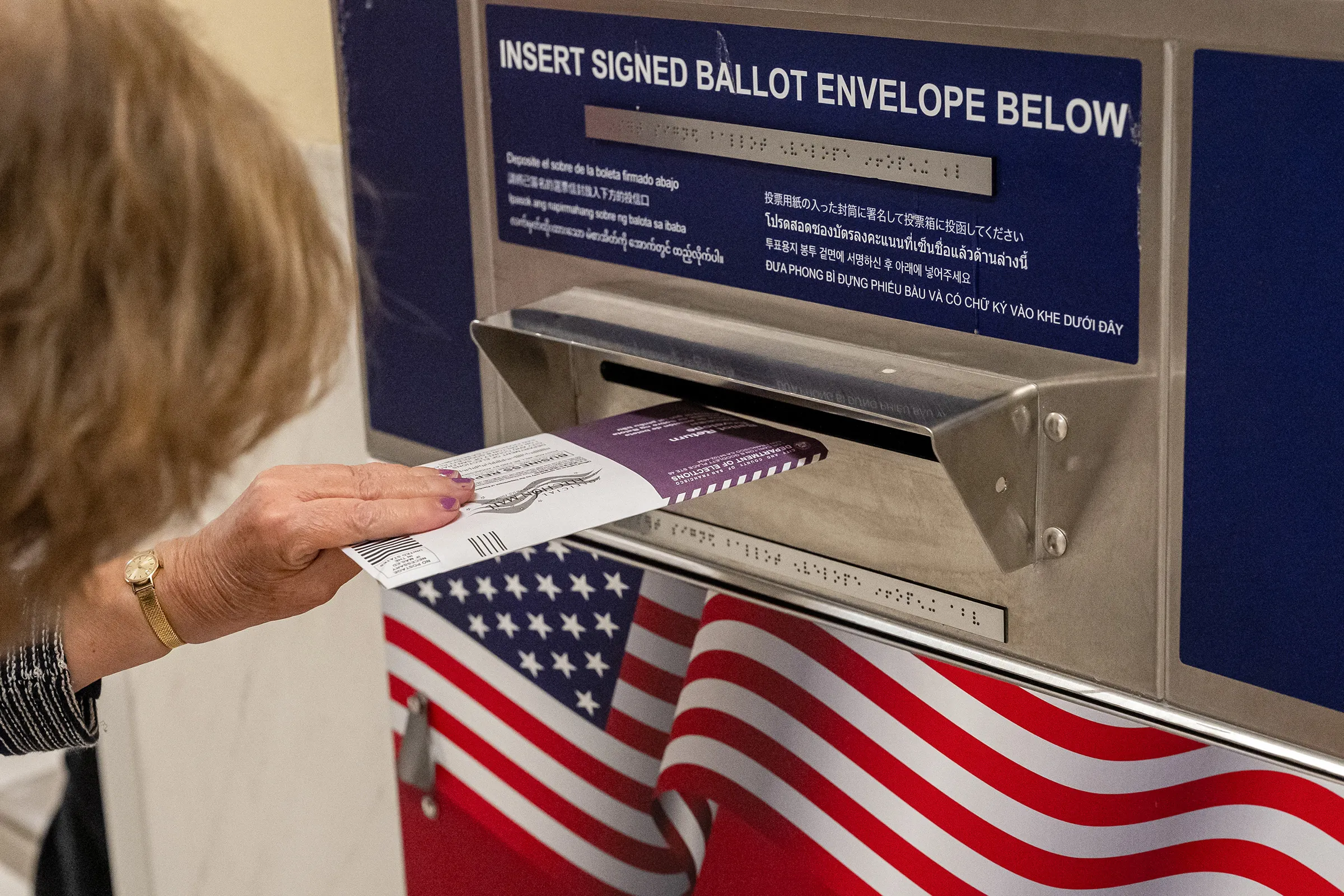
American voters head to the polls facing the highest Election Day fuel prices in national history, fueling intense political debates over energy independence and electric vehicle adoption. The convergence of soaring pump costs and midterm voting highlights deep partisan divisions regarding the future of the nation's transportation sector.

- National gasoline averages hit an unprecedented peak of $4.12 per gallon on Election Day.
- Diesel prices surged to $6.28 per gallon, compounding economic pressures on freight and commuters.
- Energy policy and the transition to electric vehicles have emerged as critical partisan flashpoints.
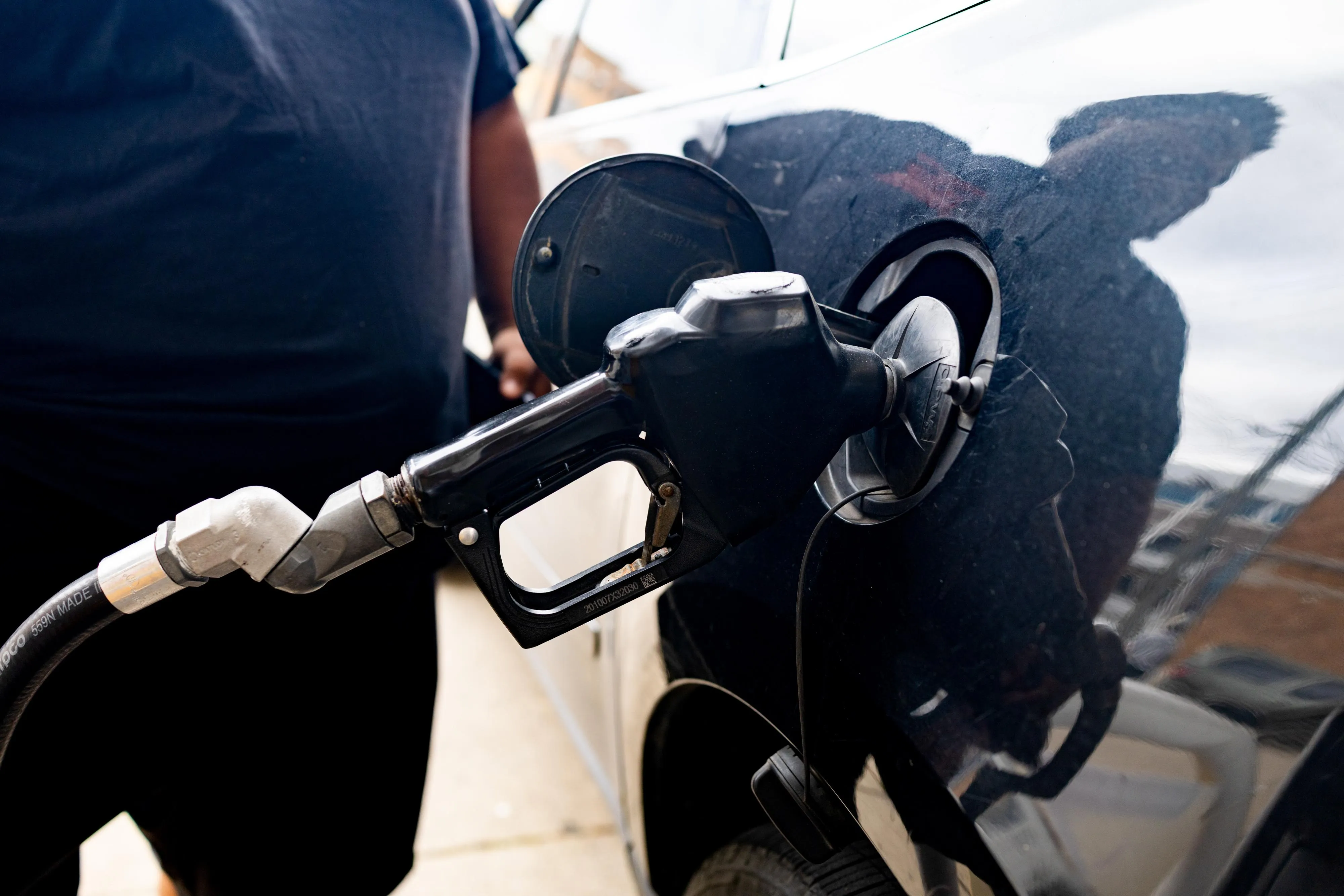
As voters across the United States cast their ballots in the midterm elections, they are confronting a historic economic milestone at the service station: the highest national average fuel prices ever documented for an Election Day. Data compiled nationwide reveals that regular unleaded gasoline has climbed to a staggering $4.12 per gallon, while diesel costs have soared to an unprecedented $6.28 per gallon, directly impacting millions of daily commuters and commercial operators.
This spike in fuel expenditures places energy infrastructure and transportation policy squarely at the forefront of the midterms. For years, the debate surrounding domestic petroleum dependence versus the accelerated adoption of electric vehicles has deeply divided lawmakers. Traditionalists advocate for maximizing fossil fuel extraction to stabilize immediate consumer costs, whereas progressive factions argue that prolonged reliance on combustion engines leaves the economy perpetually vulnerable to global market shocks and geopolitical instability.
According to industry reports by technology publication The Verge, the current electoral cycle has magnified political friction between parties that actively resist green transportation mandates and those championing nationwide electrification. Critics of conservative energy strategies argue that legislative resistance to electric vehicle subsidies and infrastructure spending has unnecessarily tethered American consumers to volatile petroleum markets.