technology
By Wire Chronicle Bureau•Friday, October 30, 2026 at 08:48 PM2 min readVerified Wire Report
OpenAI Chief Sam Altman Argues Personal Computers Are Inefficient Storage for Global RAM Supply
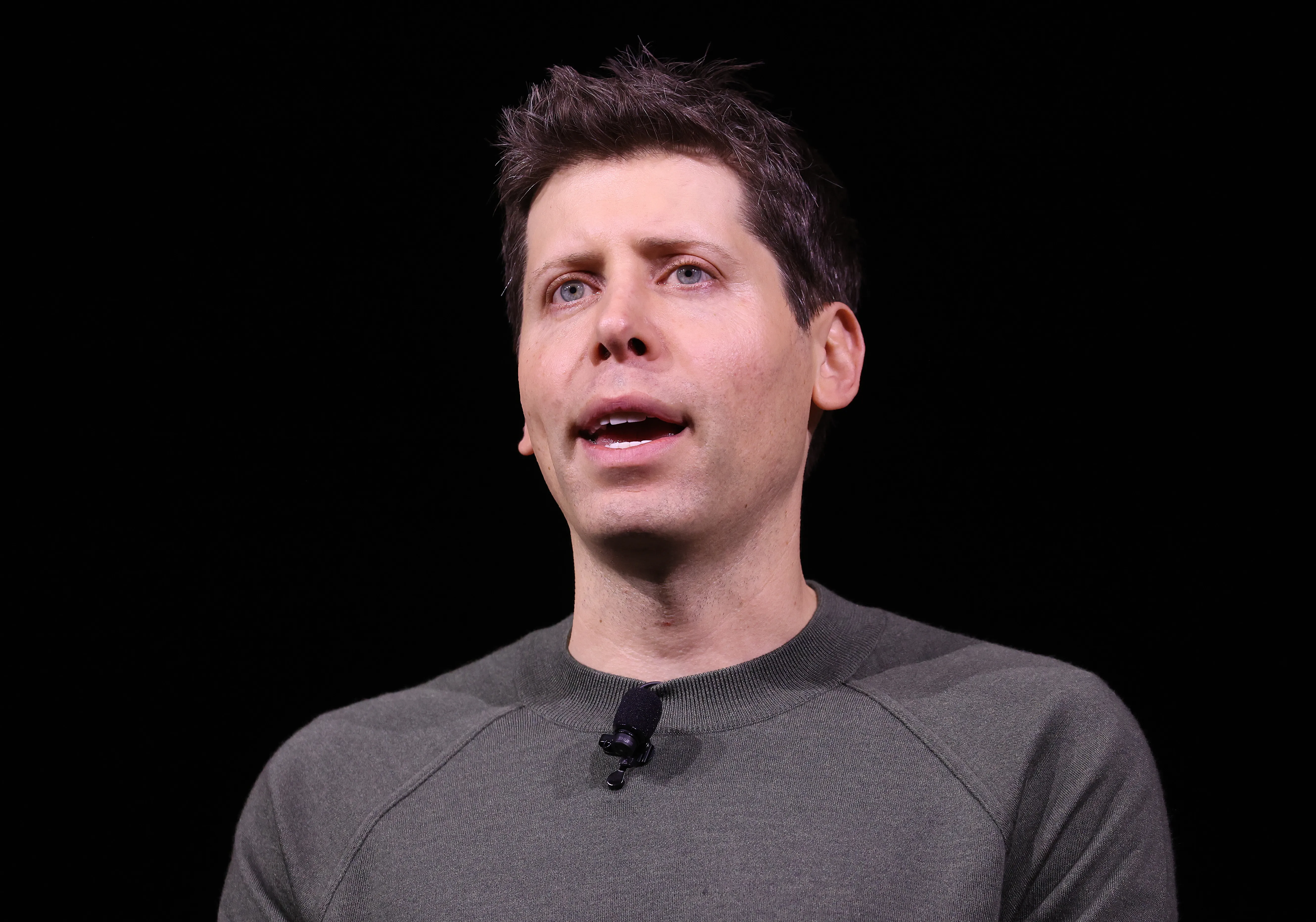
During a recent podcast appearance on the Cheeky Pint program, OpenAI CEO Sam Altman asserted that current semiconductor supply chain constraints are exacerbated by consumer hardware distribution, arguing it is fundamentally inefficient to place valuable random-access memory inside personal desktop machines rather than hyper-scale server installations.
This controversial viewpoint arrives amid a protracted global hardware shortage that has severely impacted pricing and availability across the entire consumer electronics sector. For decades, the personal computing paradigm has relied on empowering end-users with robust local processing capabilities and abundant onboard memory to run sophisticated software independently.
According to detailed reporting by technology publication The Verge, Altman's provocative stance aligns with a broader industry pivot toward cloud-tethered artificial intelligence architectures. Critics and hardware enthusiasts have quickly pushed back against the notion, emphasizing the critical importance of local data privacy, low-latency offline execution, and user autonomy over physical machinery.
As the artificial intelligence boom continues to strain worldwide semiconductor manufacturing capacities, the debate over hardware allocation is expected to intensify. Industry analysts suggest that chipmakers may increasingly prioritize high-margin enterprise data center components over consumer-grade silicon, potentially reshaping the future landscape of personal computing.