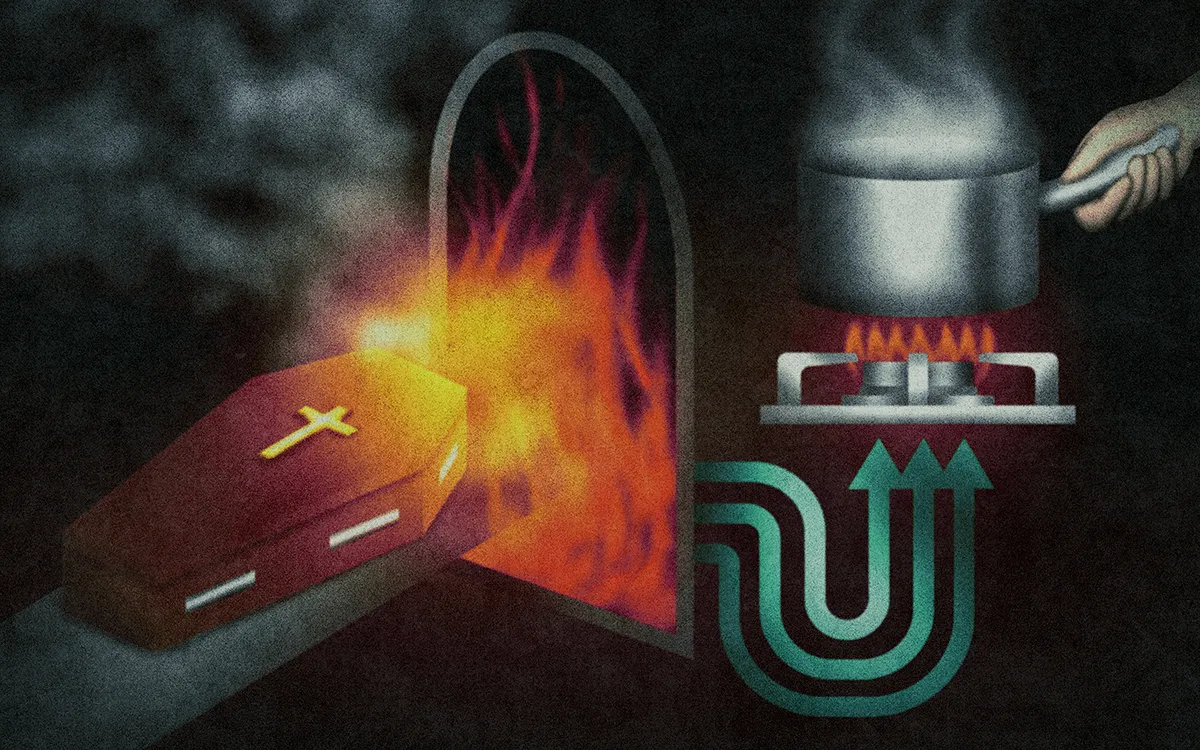
Municipal authorities across several European countries have begun harnessing thermal energy generated during cremations to warm residential properties and public swimming facilities. This innovative practice redirects intense combustion exhaust through specialized heat exchangers, effectively transforming what was once squandered energy into a sustainable municipal utility.
The adoption of this technology marks a significant evolution in urban green infrastructure, driven by a regional push toward circular economies and net-zero carbon targets. Historically, the immense heat produced by modern cremation chambers simply dissipated into the atmosphere, representing a missed opportunity for energy recovery amid tightening climate regulations.
According to reports by Wired, industry stakeholders and municipal planners view these energy-harvesting initiatives as a pragmatic intersection of necessity and environmental stewardship. While cultural sensitivities initially surrounded the concept of utilizing byproduct energy from human remains, proponents emphasize that the thermodynamic capture is entirely mechanical and hygienic.
Looking ahead, urban planners anticipate a broader rollout of waste-heat recovery systems across densely populated metropolitan areas throughout the continent. As regulatory frameworks increasingly penalize thermal waste, similar eco-friendly infrastructure projects are expected to transition from novelty urban trials to mandatory building codes for modern municipal cemeteries.