Data Center Backlash Threatens Traditional Republican Dominance in Florida Midterms
An emerging grassroots backlash against sprawling data center developments is causing traditional Republican voters in Florida to split their tickets. This localized environmental and infrastructure concern could signal shifting political dynamics in a historically crucial state.

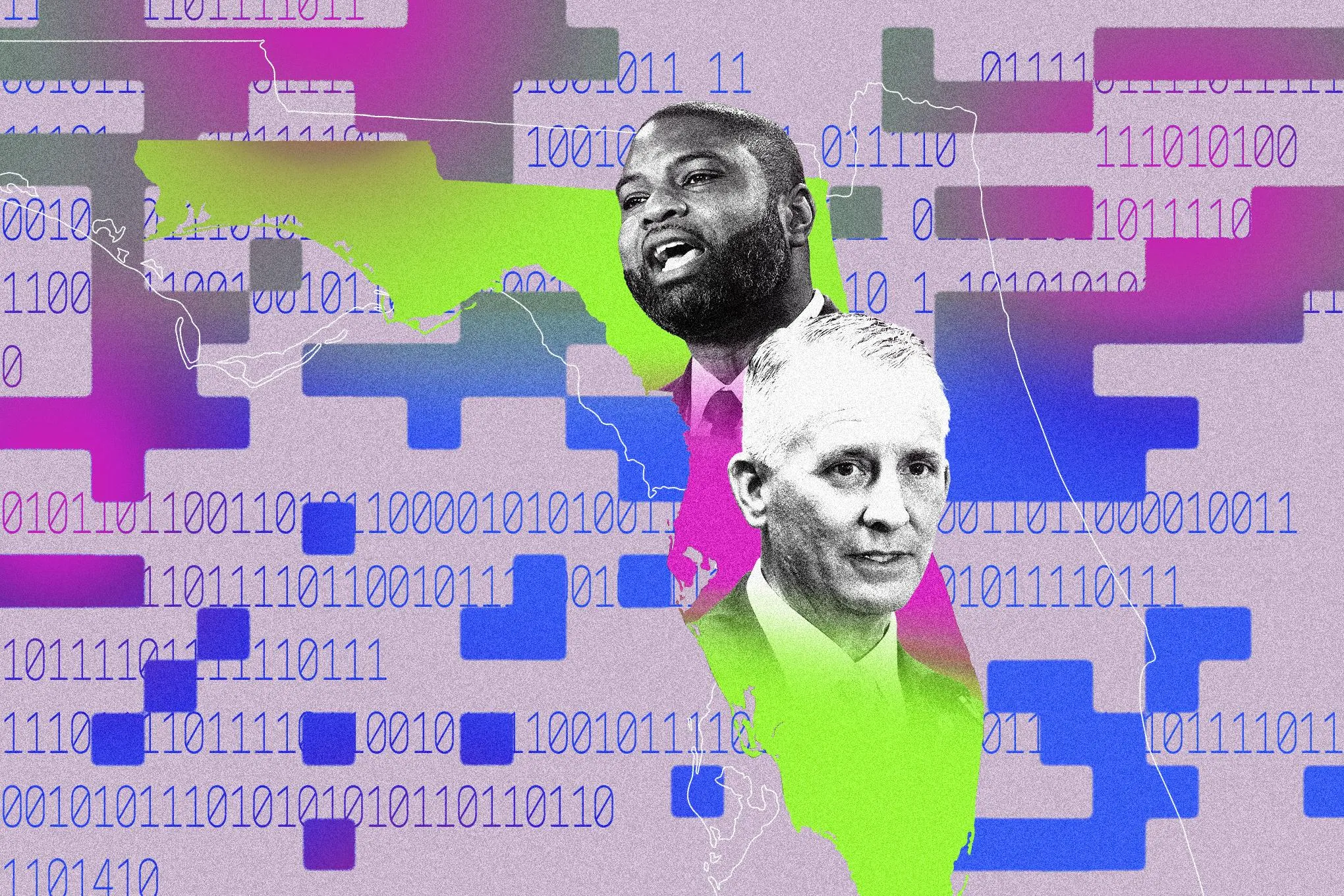
- Lifelong Republican voters in Florida are breaking party ranks due to growing local frustrations over massive data center expansions.
- Infrastructure strain and environmental concerns are transforming technical zoning debates into unexpected political flashpoints.
- Political analysts note that localized grassroots opposition could impact broader electoral outcomes in traditionally reliable districts.
A surging grassroots movement opposing the rapid expansion of industrial data centers across Florida is quietly altering traditional voting patterns, causing long-standing conservative constituents to reconsider their straight-ticket allegiance ahead of upcoming elections. Voters who have historically backed conservative candidates are finding themselves at odds with local zoning approvals and unchecked industrial growth, transforming routine infrastructure debates into critical electoral variables.
The friction stems from years of accelerating commercial real estate development focused on technological infrastructure, which has increasingly strained local power grids, water supplies, and rural landscapes. While state officials have largely championed the economic benefits of hosting major digital hubs, affected communities argue that the rapid influx of massive server facilities compromises their quality of life and threatens local ecosystems without delivering adequate community safeguards.
According to reports by The Verge, disillusioned constituents who previously supported top-tier conservative leadership are now meticulously reviewing down-ballot options and splitting their votes to protest unchecked industrial encroachment. Local civic organizers emphasize that voters are increasingly prioritizing immediate environmental and community preservation over traditional partisan loyalty, signaling a disconnect between party platforms and grassroots realities.