Genetic Mystery Unfolds: Chernobyl Canines Show Signs of Natural Selection
Recent genetic analysis reveals that dogs living near the Chernobyl nuclear disaster site are undergoing distinct evolutionary shifts. However, scientists remain puzzled regarding the precise environmental pressures driving these changes and the survival benefits they might offer.

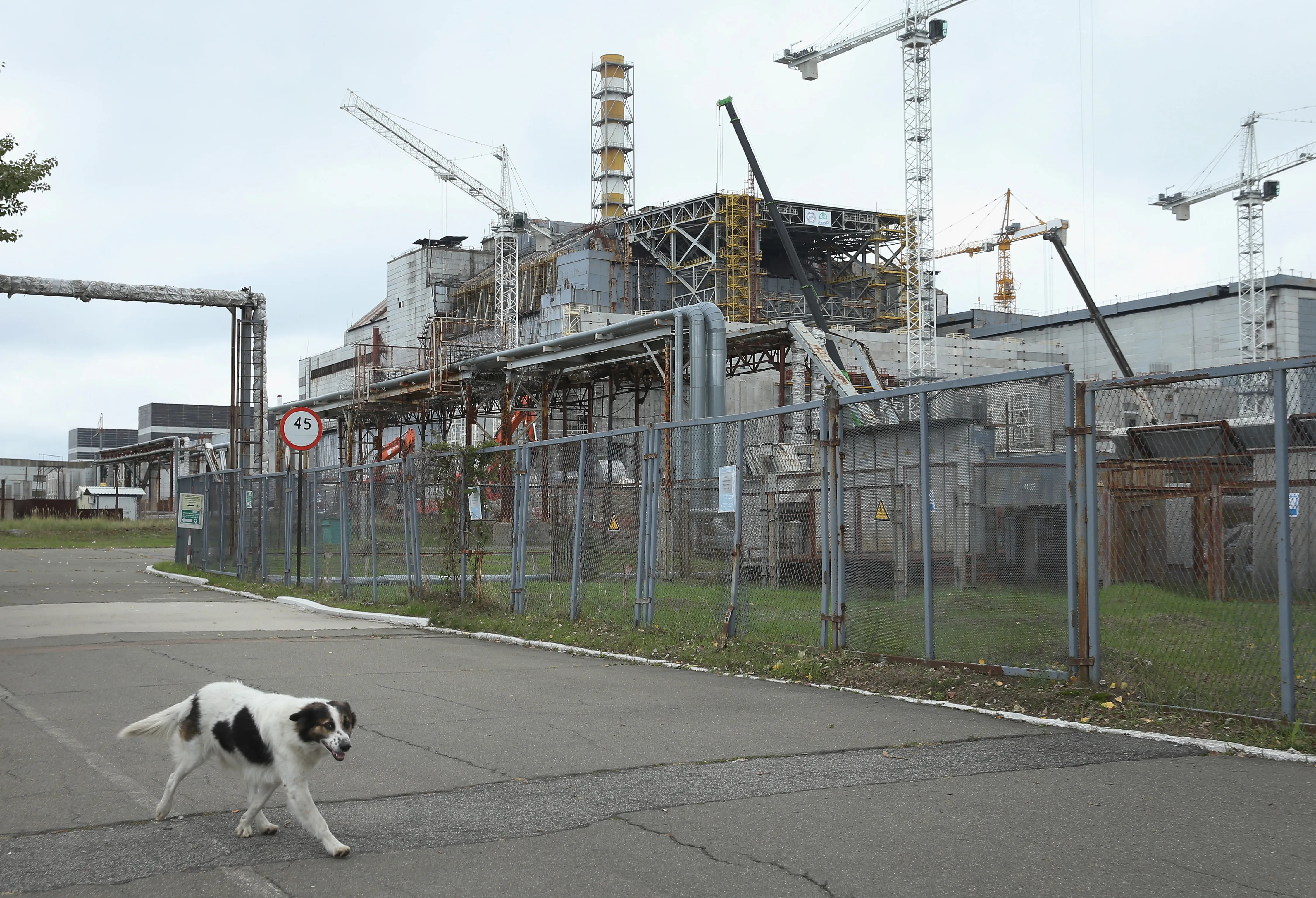
- Groundbreaking genetic research reveals distinct natural selection patterns among Chernobyl's resident canine population.
- Scientists are currently unable to pinpoint the exact environmental catalysts behind these unprecedented hereditary divergences.
- Future studies are required to determine whether these genetic adaptations grant any physiological advantages in a radioactive ecosystem.
Recent scientific investigations surrounding the abandoned exclusion zone of the Chernobyl nuclear plant have uncovered compelling evidence that local canine populations are actively undergoing natural selection, marking a significant development in radiobiology.
Decades after the catastrophic 1986 reactor meltdown, the animals roaming the heavily contaminated perimeter have long served as subjects of curiosity regarding long-term radiation exposure. While previous observations focused heavily on the sheer survival of these mammals in a desolate landscape, this latest genetic mapping highlights structural biological variances that set them apart from off-site populations.
According to investigative coverage by Wired, researchers emphasize that despite clear markers of evolutionary divergence, the exact catalyst remains shrouded in mystery. Experts are still working to determine whether chronic low-dose radiation, other toxic pollutants, or isolated breeding dynamics are primarily responsible for the shifting gene pool.