technology
By Wire Chronicle Bureau•Saturday, October 31, 2026 at 09:30 AM2 min readVerified Wire Report
Bizarre 1960s Memory Transfer Experiment on Flatworms Revived by Modern Researchers
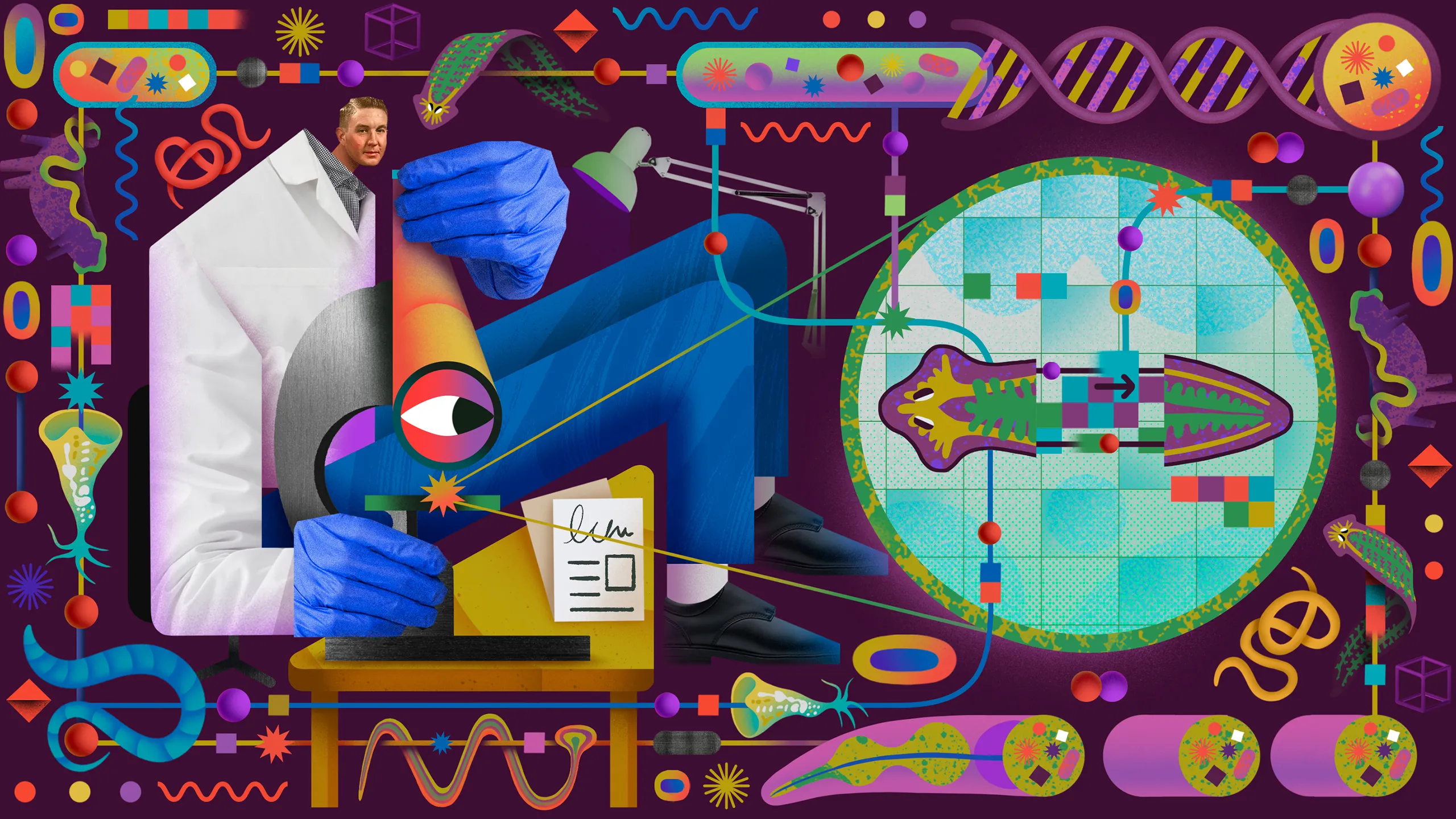
A team of modern investigators has launched a rigorous effort to replicate one of the most bizarre and contested behavioral studies in scientific history, revisiting the proposition that memories might be physically transmissible between organisms.
Originally conducted during the 1960s, the initial research captured global attention by claiming that planarian flatworms could acquire conditioned behaviors simply by eating other worms that had already been trained. However, the excitement was short-lived as subsequent attempts to duplicate the results repeatedly collapsed, leading the scientific community to largely dismiss the phenomenon as a methodological artifact.
According to investigative reporting by Wired, contemporary researchers are employing advanced laboratory protocols and updated technological tools to determine whether the foundational premise contained a grain of overlooked truth. Critics and supporters alike note that revisiting such radical hypotheses allows modern science to apply rigorous scrutiny to historical anomalies that previously lacked sufficient analytical framework.
As the replication project progresses, the findings could either permanently debunk the century-old notion of consumable memory or open an unexpected pathway into understanding how biological information is encoded within organic matter. The upcoming results are anticipated to draw intense interest from both neuroscientists and historians of science.