Unresolved Answers Loom Months After Massive Tyne Nurdle Spill
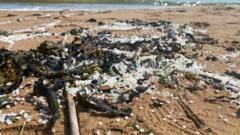
- •An estimated 18 tonnes of raw plastic nurdles were spilled into the River Tyne during a July incident.
- •Environmental scientists warn that significant gaps remain in understanding the full ecological damage.
- •Pressure is mounting on regulatory bodies to enforce stricter containment protocols for maritime cargo.
Environmental watchdogs and marine scientists are intensifying demands for transparency following a catastrophic industrial spill that released 18 tonnes of raw plastic pellets, known as nurdles, into the River Tyne this past July. The incident, which went public amid growing concerns over coastal pollution, has left major gaps in the public record regarding the exact dispersion patterns and immediate toxicity levels affecting local waterways.
Industrial nurdles are utilized globally as the foundational feedstock for manufacturing everyday plastic products, yet their microscopic size makes containment extraordinarily difficult once released into natural aquatic habitats. The July event along the Tyne represents one of the most severe localized releases of microplastic precursors in recent regional history, renewing longstanding debates surrounding the oversight and safety measures governing maritime freight and coastal manufacturing logistics.
According to investigative briefings published by BBC Science, researchers emphasize that despite initial containment operations, a vast majority of the microscopic polymers likely dispersed into sensitive marine food webs. Environmental advocates argue that official response protocols have lacked the necessary urgency, leaving coastal communities in the dark about the persistent chemical threats posed by the accumulating debris along riverbanks and tidal flats.
As regulatory authorities prepare to conduct further ecological assessments, industry stakeholders anticipate stricter legislative frameworks aimed at preventing future maritime chemical and polymer discharges. The ongoing fallout from the Tyne incident underscores a critical vulnerability in national supply chain safeguards, signaling that upcoming policy adjustments will likely mandate rigorous containment and rapid-response capabilities for all coastal freight handlers.