Shadows of Exile: Myanmar's War-Wounded Refugees Face Severe Hardship and Neglect in India
Civilian refugees who fled military airstrikes in Myanmar are struggling to cope with permanent disabilities while living in exile across the border in India. Without formal recognition or adequate healthcare, these survivors face compounding hardships amid ongoing regional instability.

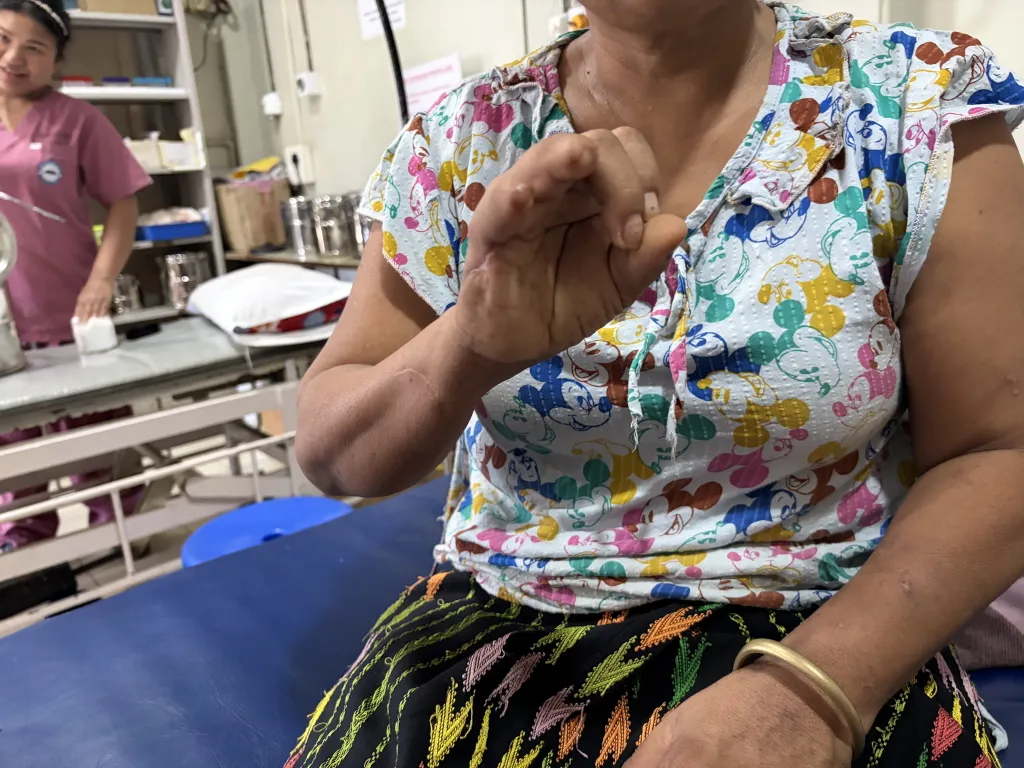
- Refugees displaced by Myanmar junta airstrikes are battling severe, untreated physical disabilities in India.
- Lack of official refugee status severely restricts access to institutional medical care, financial aid, and legal protection.
- Humanitarian groups warn of escalating crises unless cross-border support frameworks are urgently established.
A devastating air raid by the Myanmar military in Chin State's Matupi township last February permanently altered the life of a local resident named Liani, who suffered catastrophic injuries while cooking in her home. The attack, which unfolded on an ordinary afternoon, left numerous civilians maimed and forced hundreds to flee across the border into India in search of safety, only to encounter a new wave of hardship centered around chronic disability and medical abandonment.
The plight of these wounded survivors highlights the deepening humanitarian fallout from the post-coup civil war in Myanmar, which has displaced millions internally and driven thousands into neighboring countries. Fleeing relentless aerial bombardments by the junta, these individuals crossed into Indian territory bearing physical trauma that requires long-term rehabilitation, specialized surgeries, and psychological support—resources that remain virtually inaccessible to them.
According to ground reports and regional investigations highlighted by EastMojo, the absence of formal refugee recognition by local authorities leaves these vulnerable individuals outside the safety net of public health systems and humanitarian assistance. Civil society organizations and local volunteers are currently attempting to bridge the massive gap in care, but their limited resources are rapidly depleting under the sheer volume of arrivals requiring urgent medical intervention.