TDP Debunks YSRCP Election Obstruction Claims, Citing Opposition's Failure to Field Candidates
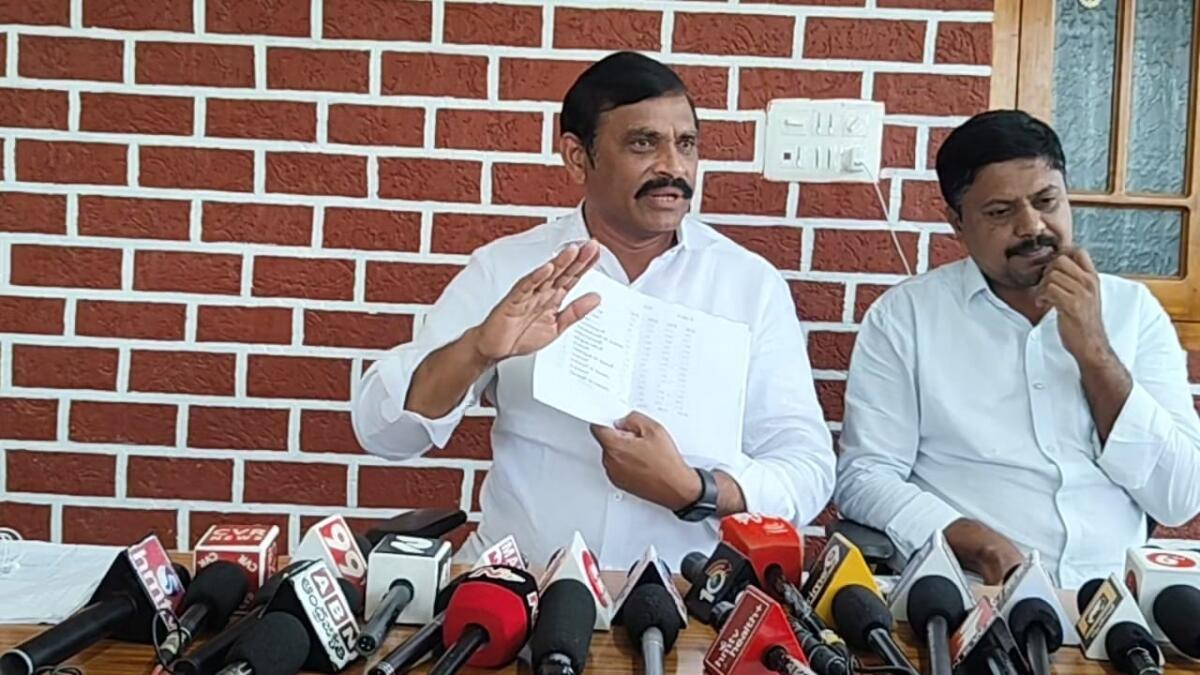
- •TDP MLC Bhumireddy dismisses YSRCP's obstruction claims as politically motivated and fundamentally misleading.
- •The opposition party notably failed to secure candidates in crucial bastions like Pulivendula, Rajampet, and Mydukur.
- •The ongoing dispute underscores heightened electoral rivalries and strategic setbacks for regional political factions.
AMARAVATI — Telugu Desam Party (TDP) Member of Legislative Council Bhumireddy has formally dismissed allegations made by the Yuvajana Sramika Rythu Congress Party (YSRCP) regarding alleged interference in local body elections, labeling the claims as entirely baseless and fabricated. Speaking to regional media on Tuesday, the senior ruling party leader stated that the opposition's narrative is a deliberate attempt to mask their own organizational weaknesses and internal disarray during the electoral process.
The controversy erupts amid intense political maneuvering surrounding local administrative polls across several districts in Andhra Pradesh. The ruling TDP administration has faced mounting scrutiny from rival factions concerning the management of the electoral landscape, prompting senior party figures to step forward and defend the integrity of the democratic proceedings against what they describe as diversionary tactics by disgruntled opponents.
According to reports published by The Hindu, the TDP leadership emphasized that the primary reason for the opposition's absence from ballots is not administrative obstruction, but rather a profound lack of local grassroots support and internal fragmentation. Mr. Bhumireddy highlighted that the YSRCP conspicuously failed to nominate candidates even within their recognized political strongholds, specifically pointing to constituencies such as Pulivendula, Rajampet, and Mydukur as prime examples of the party's inward collapse.
As political fallout from the local polls continues to reverberate, analysts expect both parties to intensify their campaigning strategies ahead of broader legislative sessions and upcoming municipal milestones. The war of words is anticipated to draw further scrutiny from election watchdogs, while local administrative bodies prepare to swear in newly elected representatives amidst an increasingly polarized political climate.