Unearthing the 1995 Vellore Fort Breakout: How 43 LTTE Cadres Executed a Daring Underground Escape
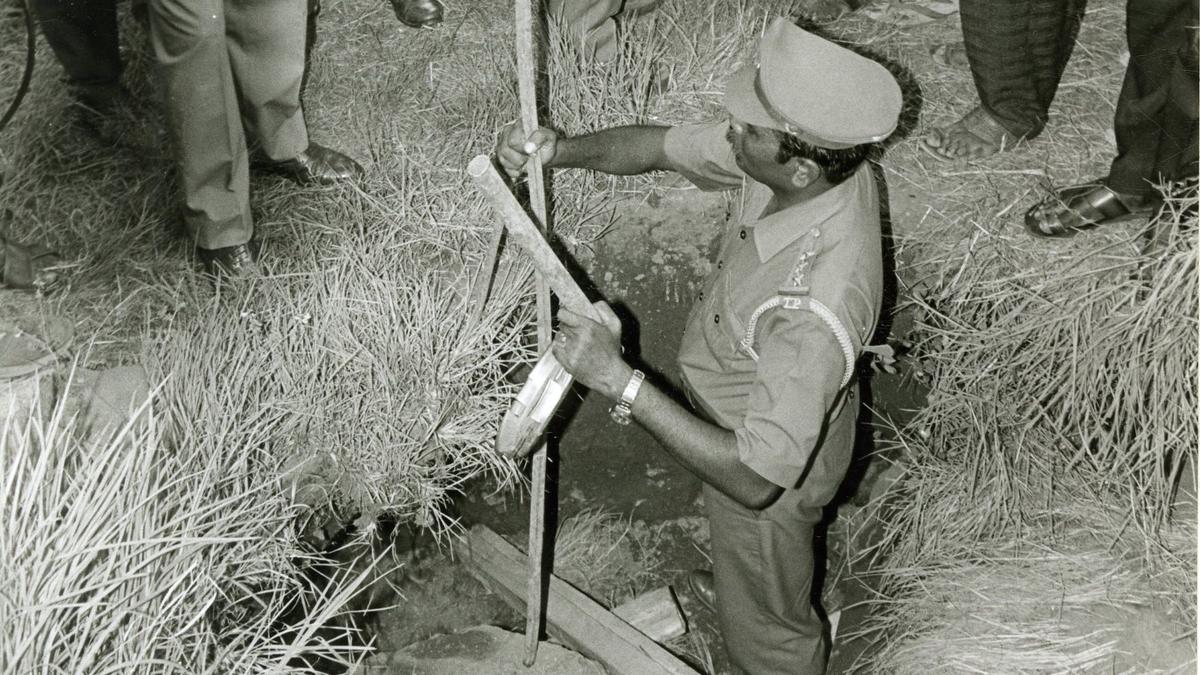
- •A total of 43 Liberation Tigers of Tamil Eelam militants, including four women, staged a mass breakout from the Vellore Fort special camp in 1995.
- •The escapees utilized a meticulously engineered 153-foot subterranean tunnel originating from a restroom inside the historic Tippu Mahal.
- •Despite rigorous multi-tiered security, the inmates managed to slip away undetected in calculated batches toward the facility's moat.
VELLORE — In a stunning breach of maximum-security detention that reverberated across national intelligence networks, forty-three Liberation Tigers of Tamil Eelam (LTTE) cadres—comprising both male and female extremists—successfully engineered a mass breakout from the Vellore Fort special camp. The high-stakes evasion, executed under the cover of darkness decades ago, saw the incarcerated operatives slip away in carefully coordinated waves after completing a staggering 153-foot underground excavation originating beneath a washroom facility within the historic Tippu Mahal.
Historically, the Vellore Fort special camp functioned as a high-security holding facility meant to restrict high-risk insurgents under strict surveillance. The decision to house these specific detainees within a repurposed heritage monument posed unique architectural vulnerabilities that the militants systematically exploited. According to historical accounts, the arduous manual tunneling operation bypassed extensive stone foundations and defensive perimeters, terminating directly at the exterior moat and highlighting severe blind spots in the facility's structural security.
According to retrospective reporting and security archives compiled by The Hindu, the audacious underground flight sent immediate shock waves through state and federal law enforcement agencies. The revelation that dozens of trained combatants could quietly undermine a heavily garrisoned fortress while under the watchful eye of armed personnel triggered sweeping investigations into institutional oversight, guard rotations, and the overall management protocols governing political detainees in southern India.
Looking back at the watershed security lapse, the incident continues to serve as a cautionary case study for modern correctional facilities and counter-terrorism installations across the nation. As penology experts and national security analysts review historical intelligence failures, the 1995 Vellore breakout remains a stark reminder of the lengths to which determined underground networks will go to breach captivity, permanently altering the evolution of high-security detention standards in the country.