Palghar Residents and Opposition Parties Intensify Resistance Against ₹76,220-Crore Vadhavan Port Initiative
Local communities and political opposition groups in Palghar are mounting fierce resistance against the massive Vadhavan port development, arguing it threatens local livelihoods and ecology. The high-stakes standoff highlights escalating tensions between national maritime expansion goals and grassroots environmental concerns in coastal Maharashtra.

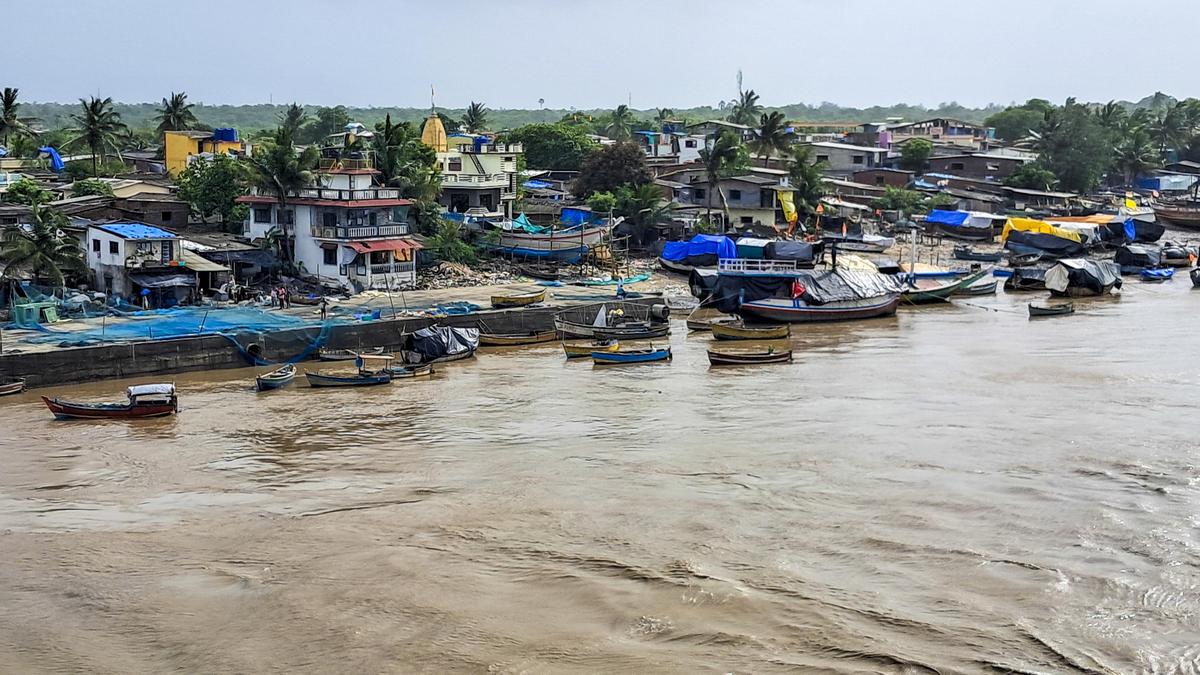
- Local villagers in Palghar are united with opposition political factions to halt the massive infrastructure initiative.
- Stakeholders express deep-seated fears that the multi-billion-dollar maritime hub will destroy regional agriculture and marine ecosystems.
- The ongoing protests pose significant project delivery risks for one of India's most ambitious port developments.
PALGHAR — Tensions escalated sharply along the Maharashtra coastline as local residents, backed by various opposition political formations, renewed their robust defiance against the massive ₹76,220-crore Vadhavan port development. The unfolding unrest highlights deep regional apprehension regarding the sweeping socioeconomic and environmental consequences tied to the federally backed maritime infrastructure venture.
At the core of the local discontent is the severe threat residents believe the massive construction poses to their traditional way of life. For generations, communities in this coastal belt have relied on local waters for fishing and adjacent lands for farming. Critics argue that transforming the shoreline into a major industrial shipping hub will permanently displace agrarian and marine economies, stripping families of their generational assets and long-term security.
According to investigative reporting by The Hindu, the collective pushback has intensified as community leaders demand an immediate halt to preparatory procedures, asserting that local stakeholders were sidelined during initial planning phases. Opposition representatives have amplified these grievances, accusing authorities of prioritizing corporate shipping interests over the welfare and ecological preservation of the coastal population.