Former Chief Justice N.V. Ramana Emphasizes Empathy and Simplicity in Literary Translation
Former Chief Justice N.V. Ramana stressed that successful literary translation requires a deep understanding of the author's psychological state rather than mere linguistic conversion. Speaking at the launch of a new Telugu edition of Rabindranath Tagore's Gitanjali, he highlighted the vital role translators play in bridging cultural divides.

- Translators must internalize the author's emotional and intellectual landscape to preserve literary integrity.
- A master translator simplifies complex poetic expressions without diluting the original artistic essence.
- The Telugu release of Tagore's Gitanjali serves as a modern benchmark for cross-cultural literary transmission.
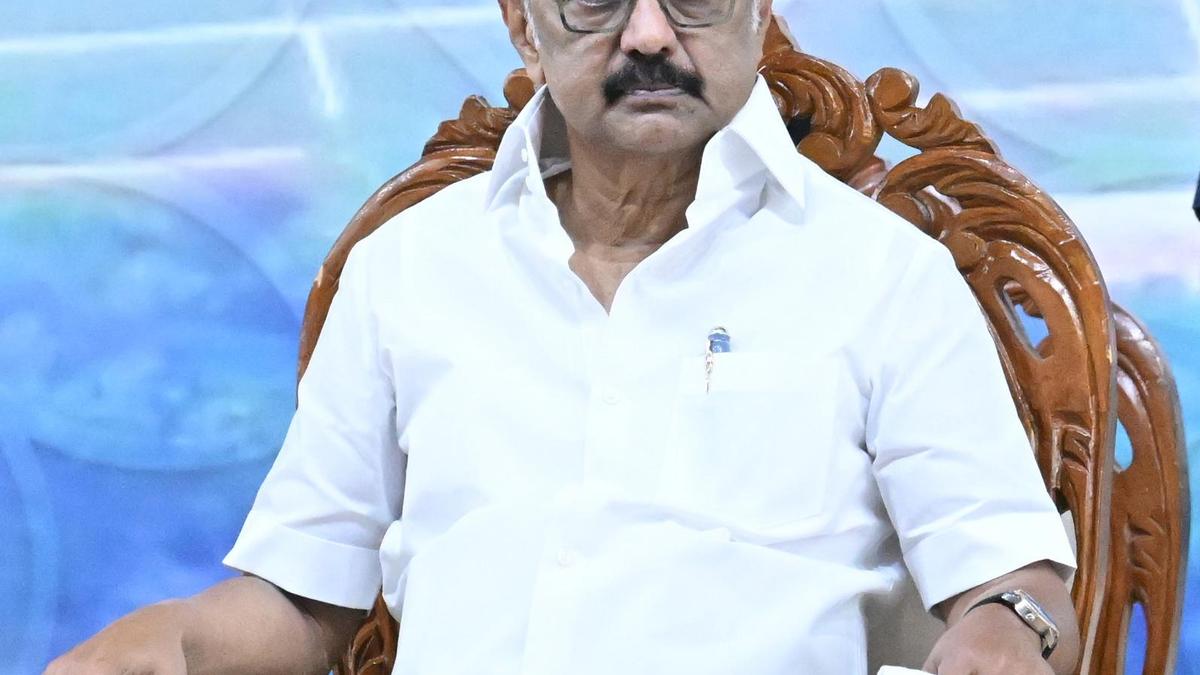
NEW DELHI — Decoding the psychological state and emotional framework of an author is paramount for delivering an authentic literary translation, former Chief Justice of India N.V. Ramana declared during a high-profile book release event on Sunday. The former top jurist made these remarks while officially unveiling a newly minted Telugu translation of Nobel laureate Rabindranath Tagore’s timeless poetic masterpiece, Gitanjali, drawing an audience of prominent literary figures, scholars, and public intellectuals.
Language translation has historically served as a critical conduit for cross-cultural pollination, allowing regional masterpieces to resonate on a global stage. Rabindranath Tagore's Gitanjali, which originally captured international acclaim following its English publication in the early 20th century, has long tested the boundaries of linguistic conversion due to its deeply spiritual and introspective lyrical quality. Bringing such profound works into contemporary regional dialects demands not just bilingual fluency, but an intimate communion with the creator's inner psyche to prevent the dilution of philosophical undertones.
According to detailed reports by The Hindu, Justice Ramana elaborated that the true hallmark of an exceptional translator lies in the capacity to render monumental literature into accessible, unpretentious language while jealously guarding the original text's aesthetic soul. He underscored that mechanical word-for-word conversions routinely strip away the poetic rhythm and emotional resonance, transforming art into sterile prose, and commended the translators who manage to retain the soulful heartbeat of the source material.
As India continues to champion multilingualism and regional literature through various national policy frameworks, discussions surrounding the art of translation are expected to gain further institutional momentum. Observers note that events highlighting cross-linguistic exchanges will likely inspire a new generation of literary scholars to bridge the gap between India's diverse linguistic landscapes, ultimately fostering greater national integration and global appreciation for vernacular storytelling.
Reader Sentiment & Assessment
How do you evaluate this investigative report? Anonymous 1-click reaction.
Start Your Morning With Verified Intelligence.
Essential national dispatches, market intelligence, and global investigations delivered directly to your inbox every morning at 7:00 AM. Zero fluff, fully verified.