Hupari’s Silver Hands: Women Artisans Power ₹1,000-Crore Industry Amid Calls for Fair Pay and Leadership
In Hupari, Maharashtra, women artisans sustain a ₹1,000-crore silver industry rooted in a century-old tradition, yet remain systematically underpaid and excluded from formal leadership. A new The Hindu investigation reveals their struggle for recognition and the policy shifts that could finally formalize their economic contribution.

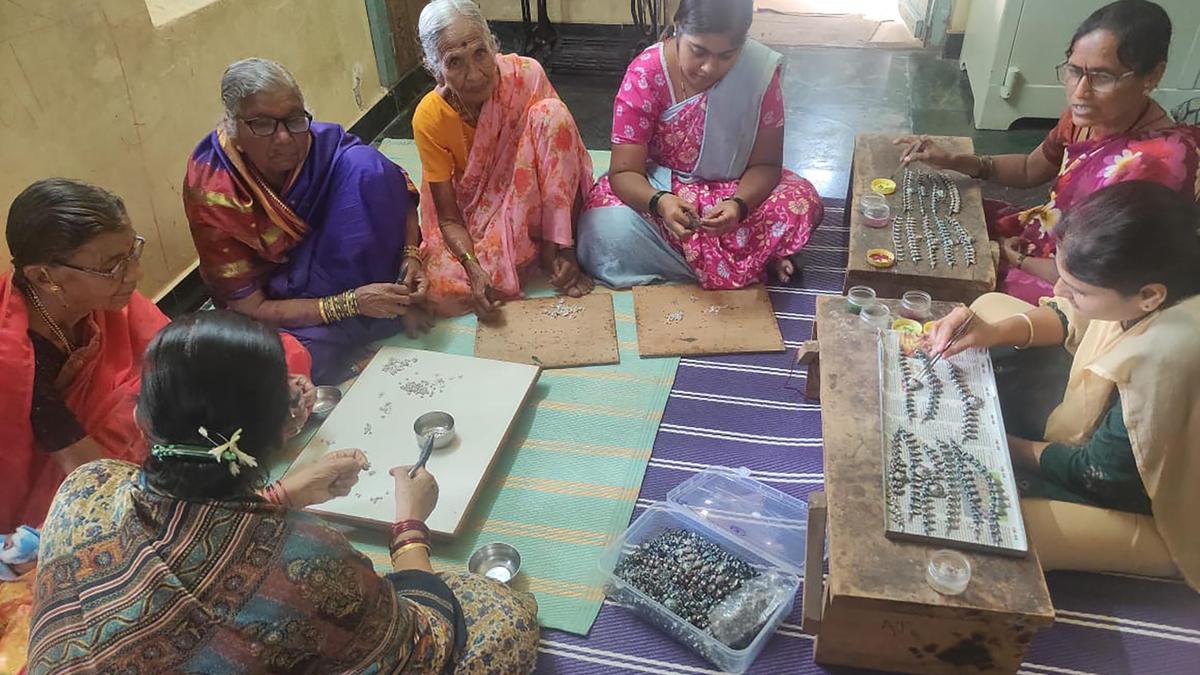
- Women artisans power a ₹1,000-crore silver industry in Hupari despite a century-old tradition that sidelines them from leadership and fair pay.
- The Hindu’s report exposes a systemic gap: immense economic value generated by invisible, underpaid female labor in India’s heritage craft sector.
- State-led skill-mapping and cooperative integration efforts are underway, with the potential to formalize the workforce and redistribute economic gains within the next two years.
In the modest workshops of Hupari town in Maharashtra, a silent economic force worth over ₹1,000 crore is being powered predominantly by women artisans. Despite fueling a century-old silver craft tradition, these makers remain largely invisible in formal decision-making circles, often receiving disproportionate compensation for their intricate labor. The revelation, reported by The Hindu’s Radheshyam Jadhav, exposes a paradox at the heart of India’s heritage metalwork sector: immense economic value coexisting with systemic underpayment and exclusion.
Hupari’s silver industry has thrived for over a hundred years, passed down through generations and deeply embedded in the region’s cultural and economic fabric. Historically, the trade has been dominated by male artisans and master craftsmen, while the critical, labor-intensive contributions of women ranging from polishing and assembling to design innovation have been relegated to informal, unrecognized roles. The sector’s estimated ₹1,000-crore valuation reflects not just the market demand for intricate silverware but also the scale of unremunerated labor that sustains it daily. As India’s luxury and artisan markets witness a revival, Hupari’s model underscores the urgent need to formalize and value the often-invisible workforce that keeps such traditions alive.