Tej Pratap Yadav Seeks Enhanced Central Security Citing Post-Reality Show Popularity Surge
Rashtriya Janata Dal leader Tej Pratap Yadav has officially requested upgraded security protection from the central government following a notable spike in public visibility and acclaim. The formal appeal underscores the unique intersection of modern television media and high-stakes political vulnerability in contemporary Indian public life.

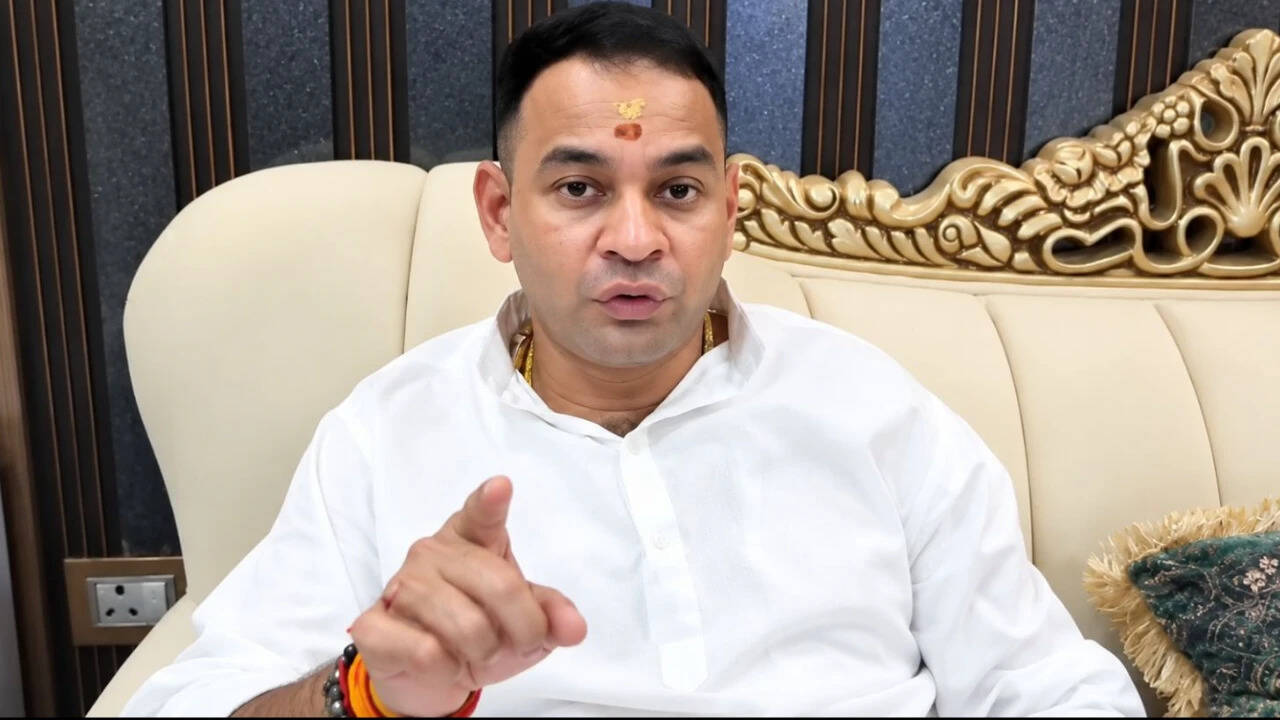
- Tej Pratap Yadav has petitioned the Union government for heightened security cover.
- The politician attributes his amplified public profile to a recent television reality show appearance.
- The development highlights the evolving security demands of political figures engaging with mainstream entertainment.
Senior political figure Tej Pratap Yadav has formally approached the central government to request an elevation in his official security cover, citing a substantial surge in public following and personal visibility stemming from a recent television reality show appearance. The appeal, submitted through official channels, highlights the unexpected logistical and safety challenges political figures often face when venturing into mainstream entertainment and mass media platforms.
This latest security appeal arrives amidst a shifting landscape where political actors increasingly leverage non-traditional media formats to broaden their demographic reach. Yadav, a prominent political personality with deep familial ties to Bihar's political establishment, found his public exposure multiplying exponentially after participating in the televised program, which subsequently transformed his day-to-day public engagements and crowd dynamics.
According to reports published by the Times of India, the formal request is currently being reviewed by relevant security agencies to evaluate the actual threat matrix and crowd management requirements associated with his newfound television-driven popularity. Observers note that while reality television offers immense electoral and brand-building benefits, it frequently complicates security protocols due to unpredictable public interactions and surging fan engagement.