Supreme Court Questions Two-Child Election Rule Amid Declining National Fertility Rates
The Supreme Court of India has raised serious constitutional doubts regarding local election regulations that disqualify candidates with more than two children. Justices emphasized that rapidly shifting demographic trends and falling birth rates demand a reevaluation of such population control measures.

- The Supreme Court questioned the viability of two-child norms for electoral candidates as national fertility rates decline.
- Judicial observations highlighted that future demographic challenges may stem from birth rates falling below replacement levels.
- Legal experts note this judicial scrutiny could lead to sweeping reforms in local governance eligibility criteria across India.
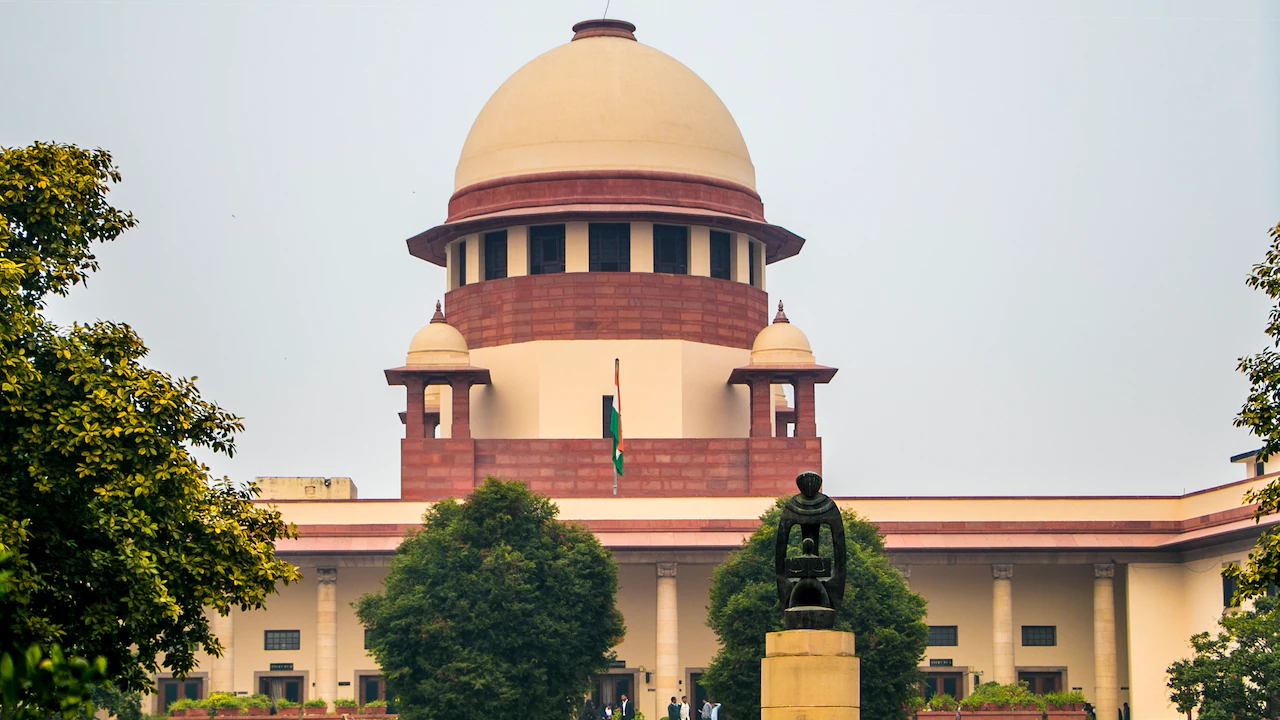
NEW DELHI — In a significant judicial intervention, the Supreme Court of India on Tuesday cast serious doubt on the legality and relevance of statutory provisions that bar individuals with more than two children from contesting local body elections. The apex court's bench pointed out that contemporary population metrics show a distinct downward trajectory in birth rates, signaling that rigid legislative penalties implemented decades ago may no longer align with current demographic realities.
Historically, numerous states across the country introduced two-child policies as a punitive mechanism to curb soaring population growth, restricting lawmakers and municipal candidates from holding office if they exceeded the limit. However, recent nationwide health surveys indicate that India's total fertility rate has dropped below the crucial replacement level of 2.1, shifting the primary demographic concern from overpopulation to impending workforce shortages and an aging citizenry.
According to judicial reports highlighted by NDTV India, the bench underscored that maintaining outdated population control restrictions could inadvertently penalize citizens despite the broader national shift toward stabilized or declining family sizes. Legal commentators and policy analysts suggest that upholding such electoral disqualifications in an era of dipping fertility rates lacks rational justification and infringes upon fundamental democratic participation.