Supreme Court Mandates Strict Timelines for Bonded Labour Rehabilitation and Financial Support Across India
India's apex court has issued a binding directive requiring authorities to provide swift financial assistance and comprehensive rehabilitation to liberated bonded labourers. The bench emphasized that eliminating forced servitude remains an ongoing constitutional mandate for the state.

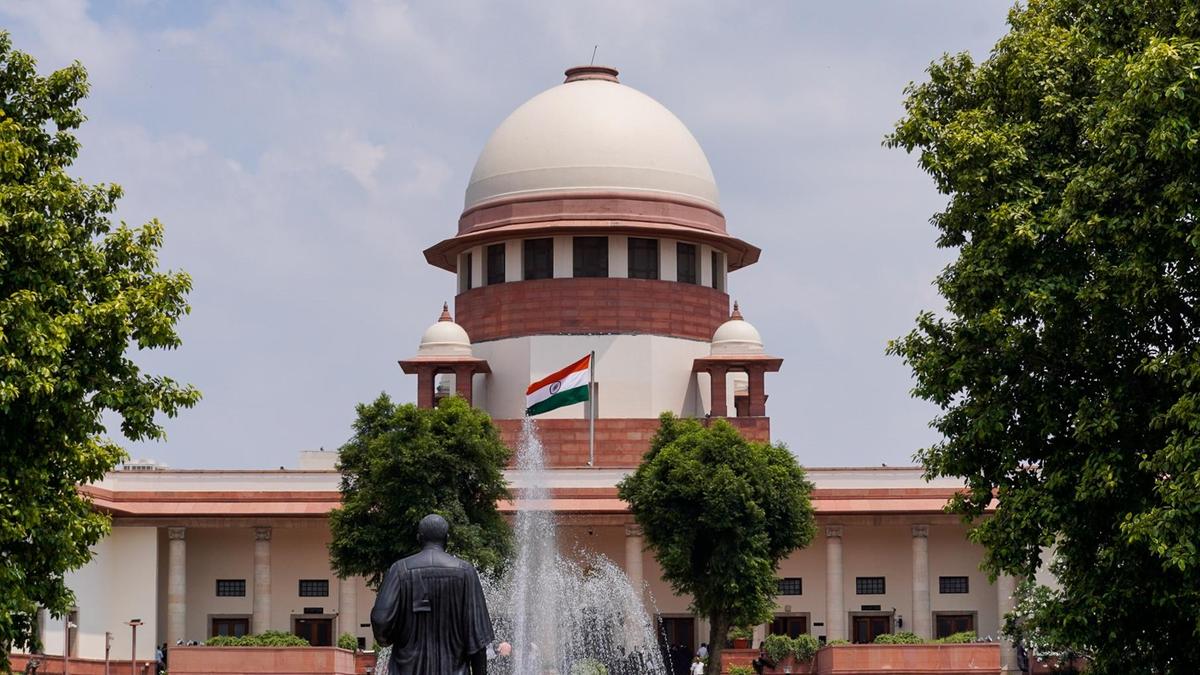
- The Supreme Court declared the eradication of bonded labour a non-negotiable, continuing state obligation.
- Judicial directives now mandate strict, time-bound financial assistance and long-term social rehabilitation for survivors.
- Authorities across jurisdictions face increased accountability to ensure freed individuals transition smoothly into society.
NEW DELHI — In a decisive push for social justice, India's Supreme Court has formally ordered authorities to execute strict, time-bound financial aid and structured rehabilitation packages for individuals rescued from forced servitude. Handed down by a specialized judicial bench, the directive targets systemic delays in state response mechanisms, ensuring that liberated individuals receive immediate monetary support alongside sustainable livelihood pathways.
This landmark judicial intervention addresses decades of systemic sluggishness in executing the Bonded Labour System (Abolition) Act. Despite legislative bans dating back decades, enforcement agencies have frequently struggled with post-rescue logistics, leaving vulnerable survivors susceptible to re-exploitation or severe economic destitution due to delayed compensation disbursements and absent rehabilitation frameworks.
According to investigative coverage by The Hindu, the judicial bench firmly articulated that state apparatuses carry a continuous duty not only to liberate victims from illegal captivity but to guarantee their meaningful reintegration into mainstream society. Legal analysts and human rights advocates have widely lauded the ruling, noting that it establishes a much-needed benchmark for bureaucratic accountability in protecting marginalized communities.