Supreme Court Challenges Centre and Election Commission Over Lawmaker Floor-Crossing and Vacated Mandates
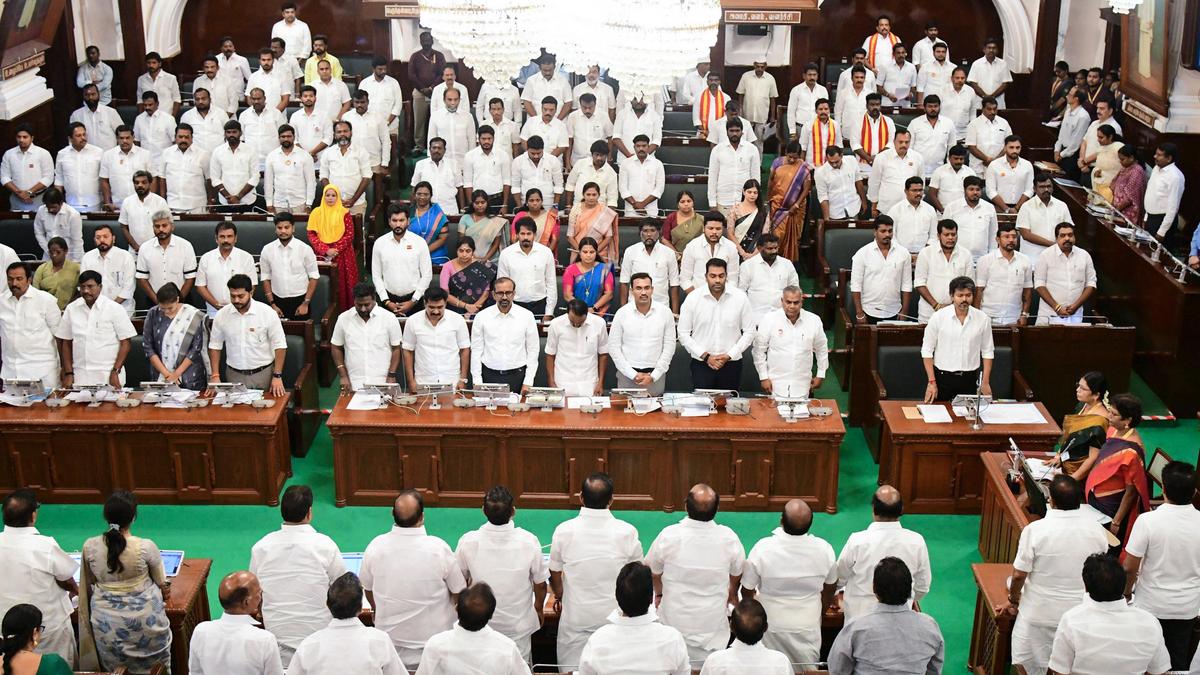
- •The Supreme Court issued formal notices to the Union Government and the Election Commission of India.
- •Petitioners argue that legislators who shift allegiance shortly after election breach the foundational trust of representative democracy.
- •The case questions the public expenditure incurred on repeated elections resulting from sudden political realignments.
NEW DELHI — In a significant legal development concerning democratic integrity, the Supreme Court of India on Tuesday issued formal notices to the Union Government and the Election Commission of India (ECI) responding to a public interest litigation targeting lawmakers who surrender their legislative posts to switch political allegiances. The bench's intervention addresses a growing legislative trend where elected representatives abruptly resign from their seats shortly after securing victory, triggering fresh bye-elections at substantial public cost and disrupting institutional stability.
This judicial scrutiny centers on the systemic vulnerabilities surrounding defection and party-hopping, a phenomenon that has repeatedly destabilized state legislatures and strained electoral machinery. According to historical legal precedents and constitutional frameworks, while anti-defection laws govern certain aspects of party switching, legislators frequently exploit legal grey areas by resigning outright rather than voting against their party whips, thereby forcing costly taxpayer-funded intermediate polls to facilitate their re-entry under a rival banner.
According to reports by The Hindu, legal advocates representing the petitioners emphasized that such opportunistic desertions strike at the core of constitutional morality. Highlighting the gravity of the issue, the legal challenge asserted that when a representative discards their electoral mandate within weeks without compelling justification merely to alter political affiliation, they inflict a severe breach upon the fundamental trust required to sustain a representative democracy.
The apex court has mandated that both the Centre and the electoral watchdog submit their formal replies within the stipulated timeframe, setting the stage for a constitutional examination that could redefine the boundaries of legislative accountability. Legal analysts anticipate that the proceedings will prompt broader legislative reforms aimed at curbing political opportunism and protecting public finances from being repeatedly drained by avoidable mid-term electoral cycles.