Subroto Bagchi Demands Urgent Restructuring of India's Skill Development Framework to Eradicate Social Stigma
Industry leader Subroto Bagchi has issued a strong critique of India's vocational training ecosystem, calling for an immediate structural overhaul. He emphasized the urgent need to dismantle deep-seated societal prejudices surrounding manual labor and trade education.

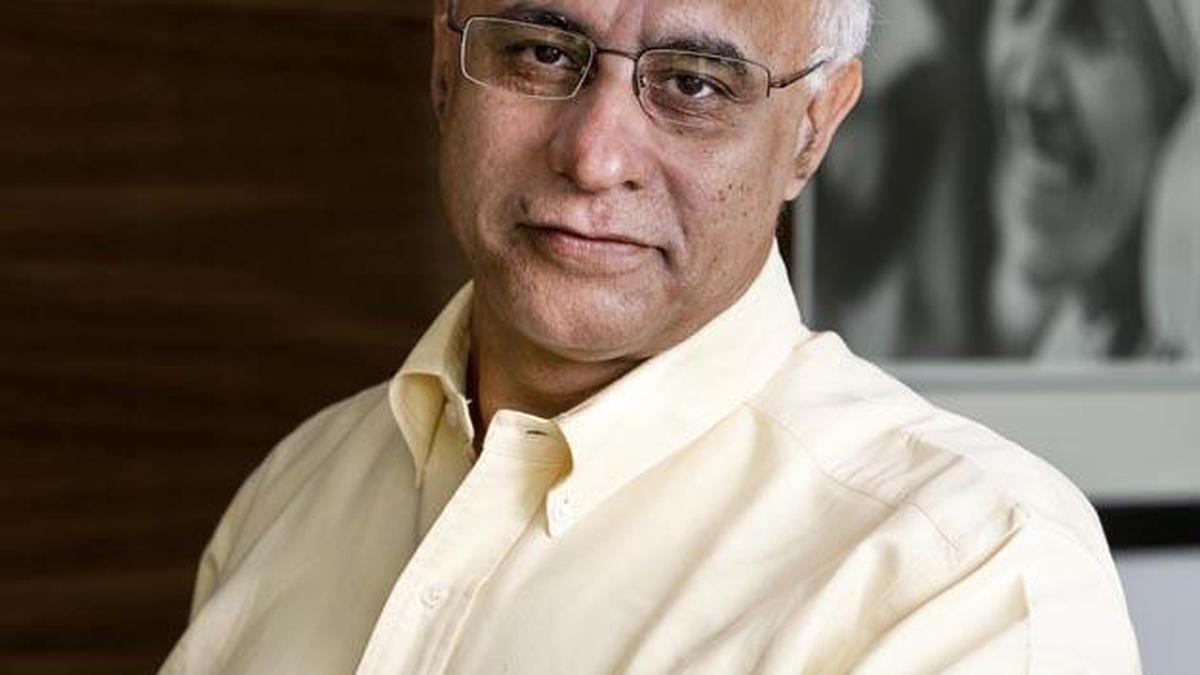
- Subroto Bagchi criticized the derogatory middle-class terminology frequently applied to domestic workers.
- Vocational academies in the nation continue to suffer from an undeserved reputation as refuges for troubled youth.
- A comprehensive revamp of the domestic skill-building sector is deemed critical for future economic progress.
BENGALURU — In a sharp critique of societal attitudes toward manual labor, prominent entrepreneur and civic leader Subroto Bagchi has demanded a comprehensive and immediate restructuring of India's vocational education framework. Speaking at a public forum, Bagchi focused his remarks on the pervasive cultural disdain directed at blue-collar work, highlighting how entrenched biases continue to hamper national progress in human capital development.
At the heart of the critique is a longstanding socioeconomic prejudice that views trade schools and practical learning institutions as secondary options meant solely for adolescents who have derailed academically or socially. For decades, the nation's educational hierarchy has disproportionately prioritized traditional white-collar degree tracks, effectively marginalizing hands-on technical professions and creating a severe mismatch between market demand and available skilled manpower.
According to detailed reports published by The Hindu, Bagchi specifically condemned the common middle-class habit of utilizing derogatory terminology such as 'servant maids' to describe domestic support staff, arguing that such linguistic habits expose a rot in the nation's moral foundation regarding labor. Observers note that these deeply ingrained linguistic and cultural stigmas directly contribute to the undervaluation of essential service providers across the country.