Shadows of the Mumbai Underworld: How Hitmen Fuel Organized Crime
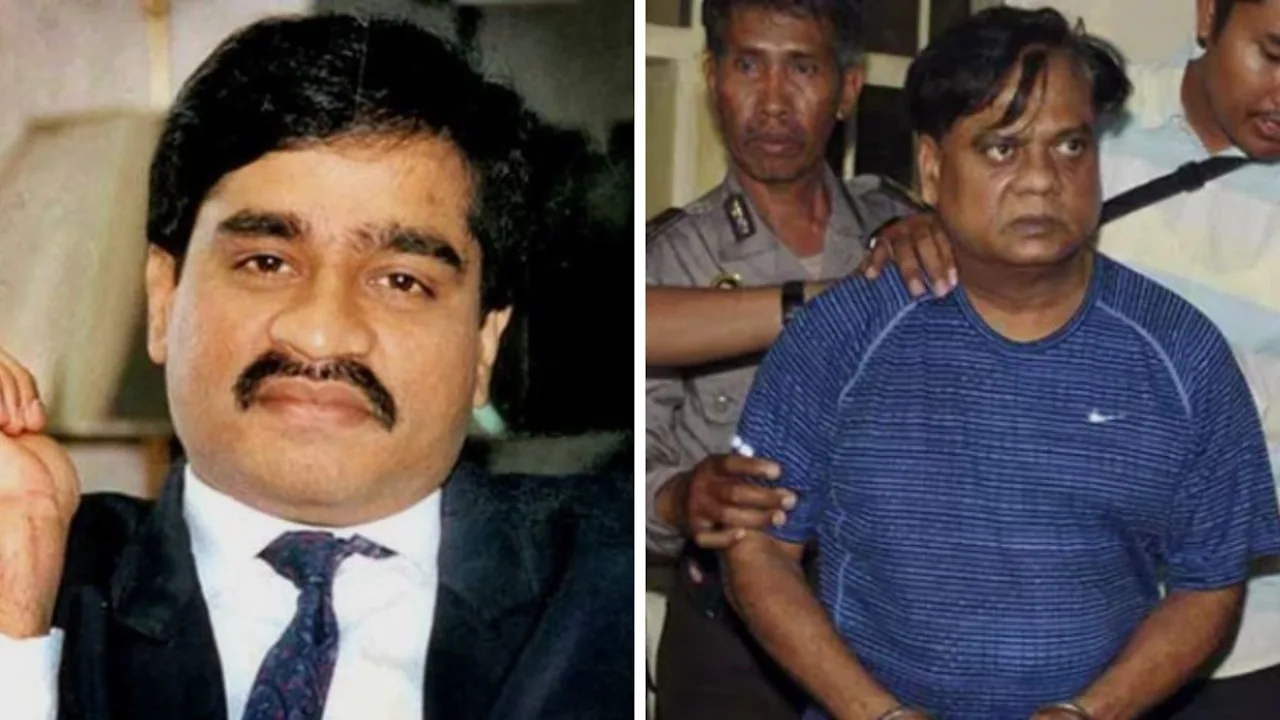
- •Contract killers have historically formed the operational backbone of Mumbai's notorious crime syndicates.
- •Despite high risks and inevitable capture, operatives remain largely disposable tools for syndicate kingpins.
- •Law enforcement agencies continue to adapt intelligence frameworks to dismantle modern criminal networks.
MUMBAI — Decades after the height of organized crime syndicates in India's financial capital, hitmen and contract enforcers continue to serve as the primary operational backbone for criminal networks, according to recent investigative assessments.
Historically, the underworld factions that terrorized Mumbai throughout the 1980s and 1990s relied heavily on young, easily replaceable recruits to execute targeted hits and assert territorial dominance. These operatives were deployed to instill fear and enforce compliance across commercial hubs, operating as the blunt instrument of syndicate leaders who frequently directed operations from safe havens abroad.
According to investigative reporting by NDTV India, law enforcement analysts emphasize that while the upper echelons of these criminal enterprises have evolved or been fragmented by aggressive counter-gang operations, the fundamental utility of the expendable shooter remains unchanged within the dark economy.
As intelligence agencies deploy advanced surveillance and financial tracking to target syndicate leadership, the future of these criminal networks relies increasingly on tightening security protocols to neutralize street-level enforcers before attacks can be coordinated.