Senior Samajwadi Party Leader Azam Khan Remanded to 14-Day Judicial Custody in Land Grab Probe
Prominent political figure Azam Khan has been ordered into a fortnight of judicial detention following an intensive financial investigation by federal authorities. The legal proceedings center around historical allegations of coerced property acquisition tied to the expansion of a major educational institution in Uttar Pradesh.
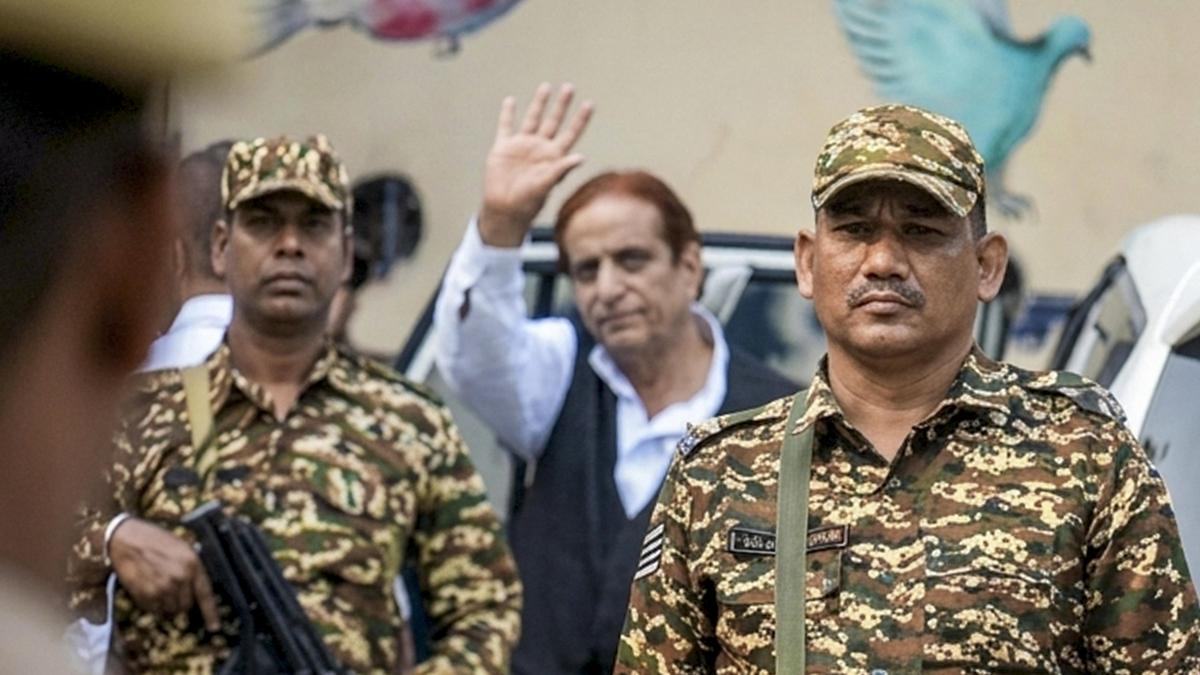
- Azam Khan faces a 14-day judicial remand ordered amid an ongoing federal money laundering investigation.
- The Enforcement Directorate's case stems from 26 separate police complaints regarding land seizures in Rampur's Singankhera village.
- Controversy surrounds the acquisition of agricultural acreage reportedly annexed for the establishment of Mohammad Ali Jauhar University.
A special court in Uttar Pradesh has ordered veteran politician and Samajwadi Party figurehead Azam Khan into 14 days of judicial custody, marking a dramatic escalation in a long-standing legal battle spearheaded by federal investigators. The Enforcement Directorate (ED) secured the detention order as part of an aggressive probe into financial irregularities and systemic property usurpation linked to the senior leader.
The central agency's ongoing investigation is anchored by a staggering 26 First Information Reports (FIRs) previously filed by local residents and authorities. These foundational complaints allege that vast tracts of agricultural land belonging to vulnerable farmers in Singankhera village, located within the Rampur district, were illegally and forcibly confiscated to facilitate the development and expansion of the Mohammad Ali Jauhar University, an institution where Khan serves as the founding chancellor.
According to investigative briefings cited by The Hindu, federal prosecutors established sufficient grounds during the recent court hearings to justify the extended remand, emphasizing the necessity of custodial interrogation to uncover the full financial footprint of the alleged land acquisition scheme. While legal representatives for the opposition leader have consistently maintained his innocence and characterized the prosecution as politically motivated, investigators maintain that testimonies and documentary evidence point toward systematic coercion and misuse of political influence during Khan's tenure in power.