Union Minister Nitin Gadkari Dismisses E20 Fuel Backlash As Orchestrated Propaganda
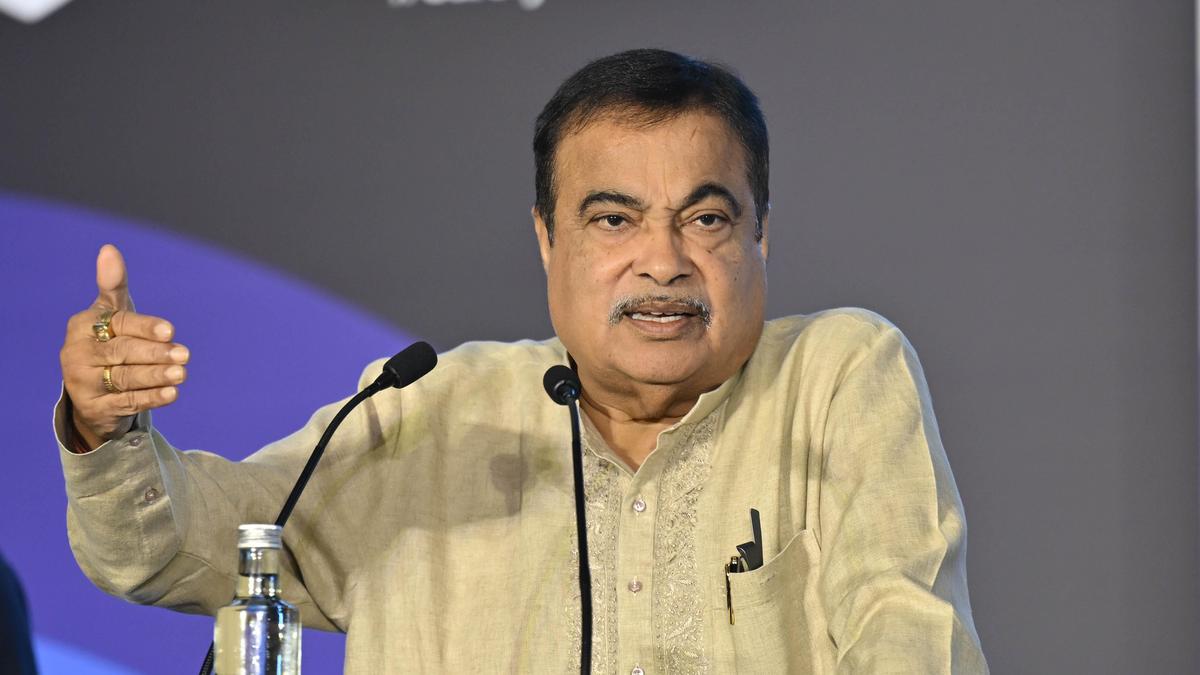
- •Union Minister Nitin Gadkari claims opposition to E20 petrol stems from a paid disinformation campaign.
- •Critics and consumer advocacy groups have continuously voiced anxieties regarding potential engine degradation in older vehicles.
- •India's aggressive push toward sustainable biofuels forms a cornerstone of its broader carbon reduction strategy.
Union Minister Nitin Gadkari has forcefully rejected widespread public and political backlash surrounding the nationwide rollout of E20 fuel, categorizing the fierce opposition as a coordinated, financially motivated disinformation campaign. Speaking on the contentious green energy transition, the senior cabinet official defended the policy mandating a blend of 80 percent gasoline and 20 percent ethanol, asserting that the hostile narrative was engineered by vested interests seeking to derail India's renewable energy objectives.
The policy rollout has triggered considerable debate across the subcontinent, with automobile owners and policy analysts scrutinizing the long-term mechanical viability of legacy vehicles. Historical precedents indicate that engines manufactured prior to the widespread adoption of biofuel compatibility standards may experience accelerated wear, component corrosion, and reduced fuel efficiency when exposed to higher concentrations of ethanol. These legitimate technical concerns formed the bedrock of early opposition from various consumer advocacy groups and opposition political factions.
According to reports published by The Hindu, government authorities have continuously pushed back against these warnings, emphasizing that the transition is vital for curbing crude oil imports and mitigating harmful vehicular emissions. While industry stakeholders remain divided, official agencies maintain that extensive testing confirms minimal risk to compliant modern machinery, though older fleets continue to require careful monitoring and potential technical adjustments.
Looking ahead, the Ministry of Road Transport and Highways is expected to double down on consumer awareness initiatives and infrastructure upgrades to facilitate a seamless transition to clean energy alternatives. As India accelerates its roadmap toward reduced carbon dependency and sustainable agricultural integration, policymakers will likely face mounting pressure to balance aggressive green targets with adequate consumer protection and transparent technical assurances for legacy vehicle owners.