Election Commission Defends IT Infrastructure Oversight Following Internal Work Order Modification for Chief Seema Khanna
The Election Commission of India has firmly maintained that its rigorous technological oversight mechanisms remain fully operational following administrative adjustments to the responsibilities of IT Chief Seema Khanna. This structural recalibration comes amid heightened public scrutiny regarding the security and integrity of digital electoral systems.

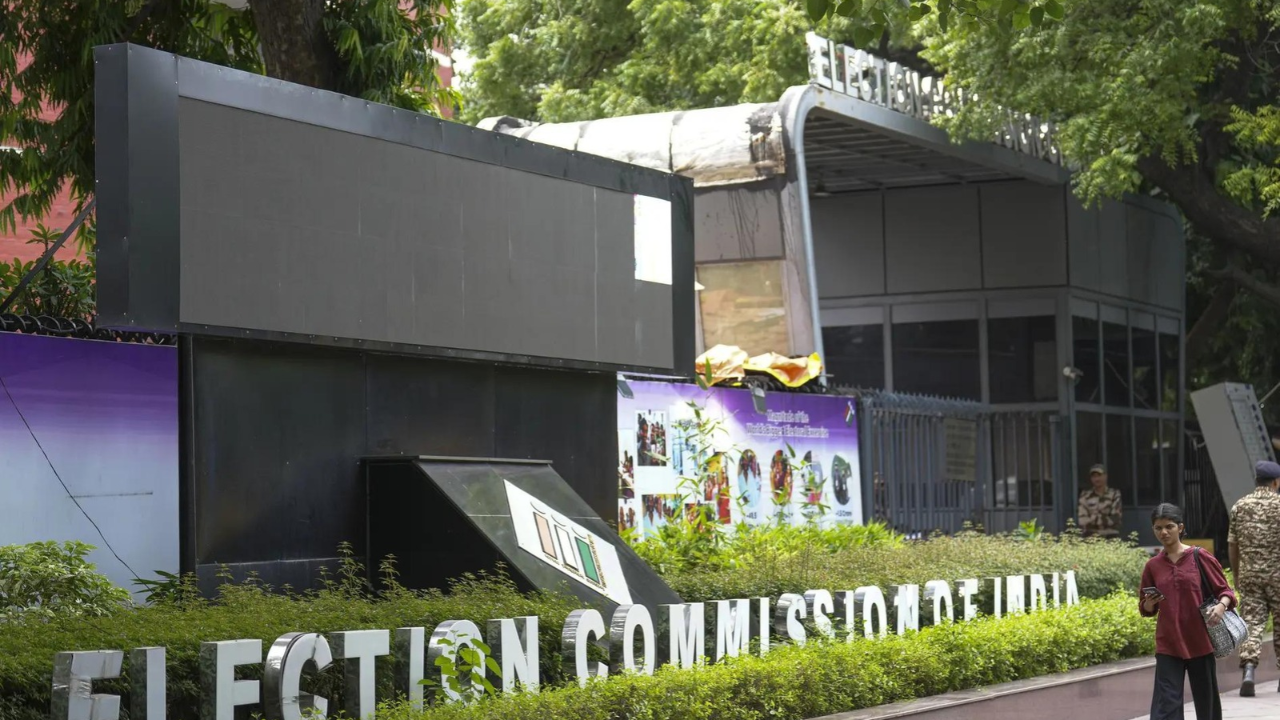
- The Election Commission assures the public that existing supervisory layers for digital infrastructure are entirely intact.
- Internal work order modifications specifically impact IT Chief Seema Khanna's operational portfolio within the poll body.
- The development underscores continuous administrative fine-tuning as India prepares for upcoming electoral cycles.
NEW DELHI — Senior officials within the Election Commission of India (EC) asserted on Tuesday that internal supervisory frameworks remain fully uncompromised following recent administrative adjustments to the operational mandate of IT Chief Seema Khanna. The modifications, which redistributed specific technological responsibilities within the poll panel, sparked immediate inquiries regarding the security protocols governing India's critical electoral machinery.
This administrative shift occurs against the backdrop of an increasingly digitized electoral landscape where the Election Commission relies heavily on robust software and hardware systems to manage voter rolls, electronic voting machine logistics, and real-time polling data. Over recent years, the technological wing has expanded exponentially, making internal restructuring a frequent operational necessity to balance workload distribution and streamline cybersecurity protocols across national and state networks.
According to comprehensive reports published by the Times of India, commission insiders emphasized that altering the specific work orders of senior technical personnel is a routine procedural measure designed to enhance efficiency rather than diminish oversight. Official representatives reiterated that multiple tiers of institutional checks and balances continue to govern every phase of the IT department's functioning, ensuring that no single individual exercises unchecked authority over critical electoral databases.