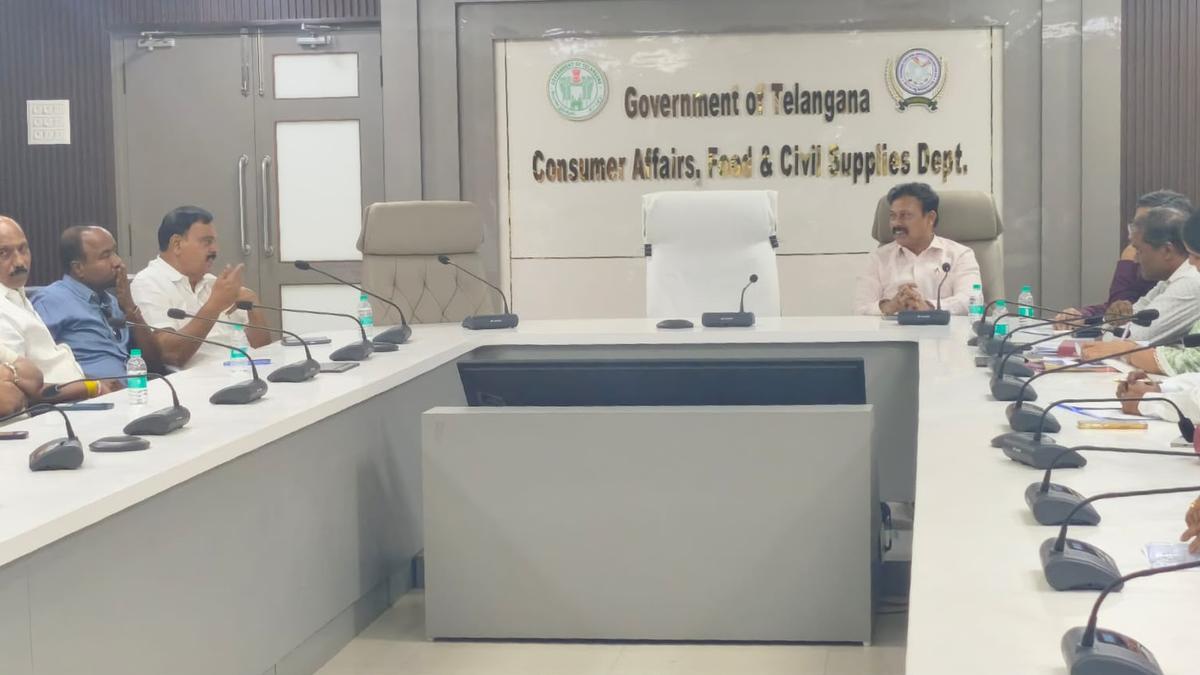
Telangana Civil Supplies Department officials have issued formal warnings to rice millers across the state, cautioning against the creation of artificial scarcity and illegal hoarding of paddy and rice stocks. The advisory, delivered during a recent enforcement drive, carries the threat of legal action for violators. Officials emphasized that stock levels must remain transparent and stable to prevent abnormal price inflation in the open market.
The warning underscores an ongoing tension between state procurement agencies and private millers over grain inventory management in Telangana, a key rice-producing region in southern India. Over the past several months, market analysts have noted intermittent price volatility in staple cereals, prompting repeated government interventions to curb speculative stockpiling. This latest directive builds on a series of periodic inspections and policy measures aimed at balancing farmer incomes with consumer affordability, particularly during lean seasons and ahead of state budget allocations for food security schemes.
According to reports by The Hindu, the Civil Supplies Department stated that any attempt to manipulate inventories to create false shortages would invite stringent legal consequences, including fines and potential prosecution under existing food security and essential commodities laws. Industry representatives have largely welcomed the move, noting that transparency in stock reporting is essential for market credibility, while some millers have expressed concern over increased regulatory scrutiny amid already compressed profit margins. A senior department official, speaking on condition of anonymity, reiterated that the primary goal is to safeguard public interest and ensure that essential commodities remain accessible at fair market rates.
Moving forward, the Telangana government plans to intensify surprise inspections of miller inventories and integrate real-time digital tracking with the state's public distribution system to close loopholes exploited for hoarding. Analysts suggest the crackdown could set a precedent for other grain-producing states facing similar supply-chain distortions, potentially influencing national policy on essential commodity management. If successfully implemented, the initiative may reduce price volatility for consumers while compelling millers to adopt more compliant and transparent stock-holding practices across the value chain.