India Rejects Second-Class Status in UN Security Council Reform Push
- •India insists that veto privileges must be shared equally among all permanent members of a restructured UN Security Council.
- •New Delhi warned that introducing permanent seats stripped of veto authority creates an unjust, two-tiered global governance hierarchy.
- •The diplomatic stance underscores India's refusal to accept compromised representation in ongoing international institutional reforms.
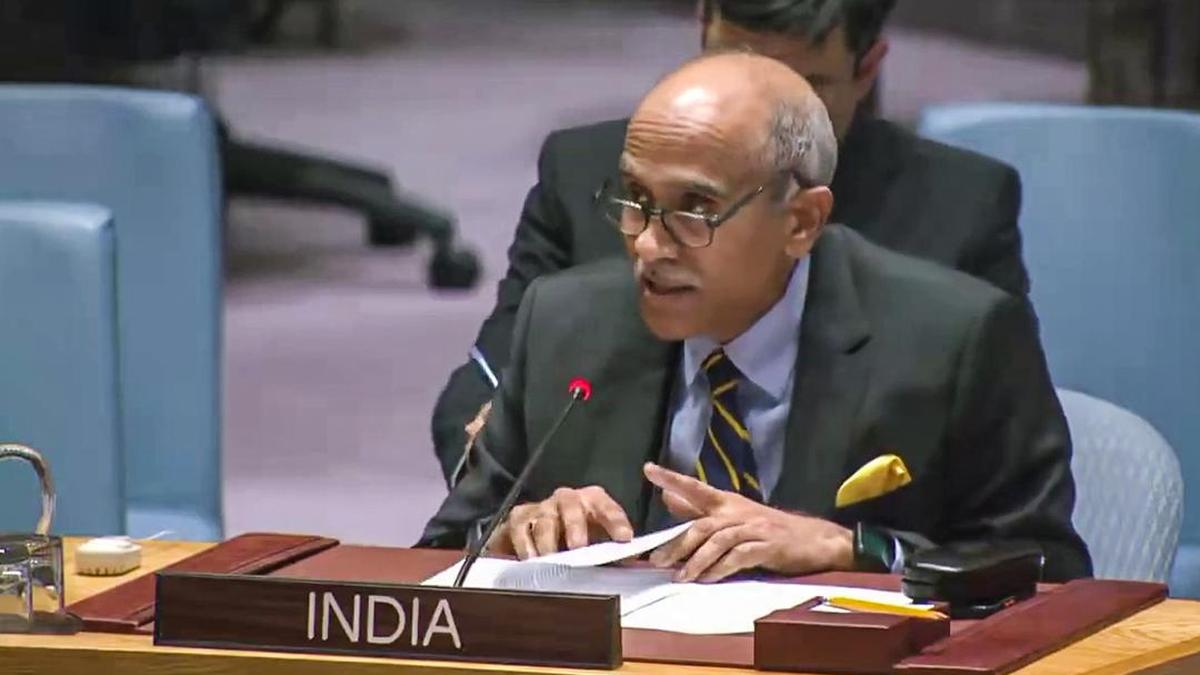
UNITED NATIONS — Asserting a staunch diplomatic position on global governance, India declared this week that any newly inducted permanent members of the United Nations Security Council must possess the exact same veto privileges as current members, warning that a tiered system would create an unacceptable class of subordinate nations.
The debate over restructuring the UN's most powerful organ has languished for decades, mired in geopolitical deadlock between aspiring global powers and incumbent veto-wielding states like the United States, Russia, China, France, and the United Kingdom. India, long a leading contender for a permanent seat alongside other rising nations, has consistently criticized the outdated architecture of the Council, which continues to reflect the geopolitical power balance of the post-World War II era rather than contemporary global realities.
According to diplomatic briefings and reports highlighted by The Hindu, New Delhi's representatives emphasized that true fairness and international justice require absolute parity in both rights and responsibilities across the entire roster of permanent members. Indian diplomats argued that conferring permanent status without the accompanying veto instrument would amount to tokenism and relegate developing nations to a secondary tier of global influence.
As discussions surrounding the Intergovernmental Negotiations on UN reform continue at the General Assembly, India's uncompromising stance serves as a major benchmark for developing world ambitions. Observers note that this firm red line will likely complicate ongoing consensus-building efforts, forcing major powers to address structural inequalities directly if meaningful multilateral reform is to be achieved in the near future.