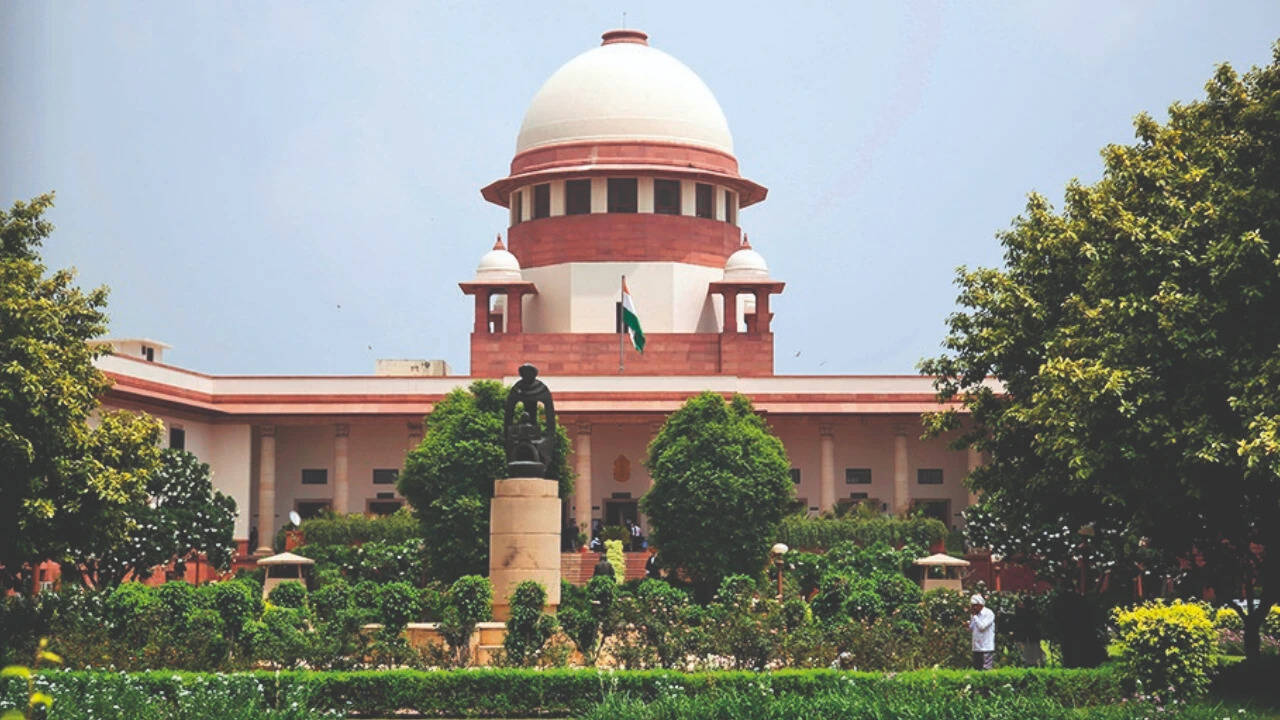
NEW DELHI — In a scathing critique of administrative overreach, the Supreme Court of India on Tuesday launched a severe verbal assault on the Ministry of Corporate Affairs, alleging that federal bureaucrats have effectively hijacked the National Company Law Tribunal (NCLT) and the National Company Law Appellate Tribunal (NCLAT). The apex court's sharp observations challenge the current framework governing these crucial quasi-judicial bodies, underscoring systemic concerns about executive encroachment on independent adjudicatory forums.
This high-stakes judicial showdown brings longstanding tensions surrounding the appointment mechanisms, administrative control, and institutional autonomy of India's premier corporate courts back into the national spotlight. For years, legal experts, insolvency professionals, and corporate practitioners have debated the heavy administrative footprint of the ministry over tribunal appointments and infrastructure. The latest remarks from the Supreme Court validate these persistent anxieties, framing the executive's involvement not merely as administrative oversight, but as a fundamental threat to judicial independence.
According to reports by the Times of India, the apex court's bench expressed profound dismay over how administrative strings are allegedly pulled behind the scenes, potentially undermining the integrity and impartial delivery of corporate justice. While formal responses from the Ministry of Corporate Affairs are still awaited, legal analysts note that such uncompromising judicial commentary rarely goes unaddressed and usually serves as a precursor to strict institutional guidelines.
Looking ahead, this confrontation is poised to catalyze broader national and industrial implications, likely prompting renewed legislative scrutiny and demands for structural reforms. Legal watchdogs anticipate that the Supreme Court may issue formal directives or structural safeguards to shield tribunals from executive interference, ultimately reshaping how India administers corporate insolvency, mergers, and regulatory disputes moving forward.