Judicial Scandal in Kerala: Luxury Timepieces and Crucial Evidence Go Missing from Court Archives
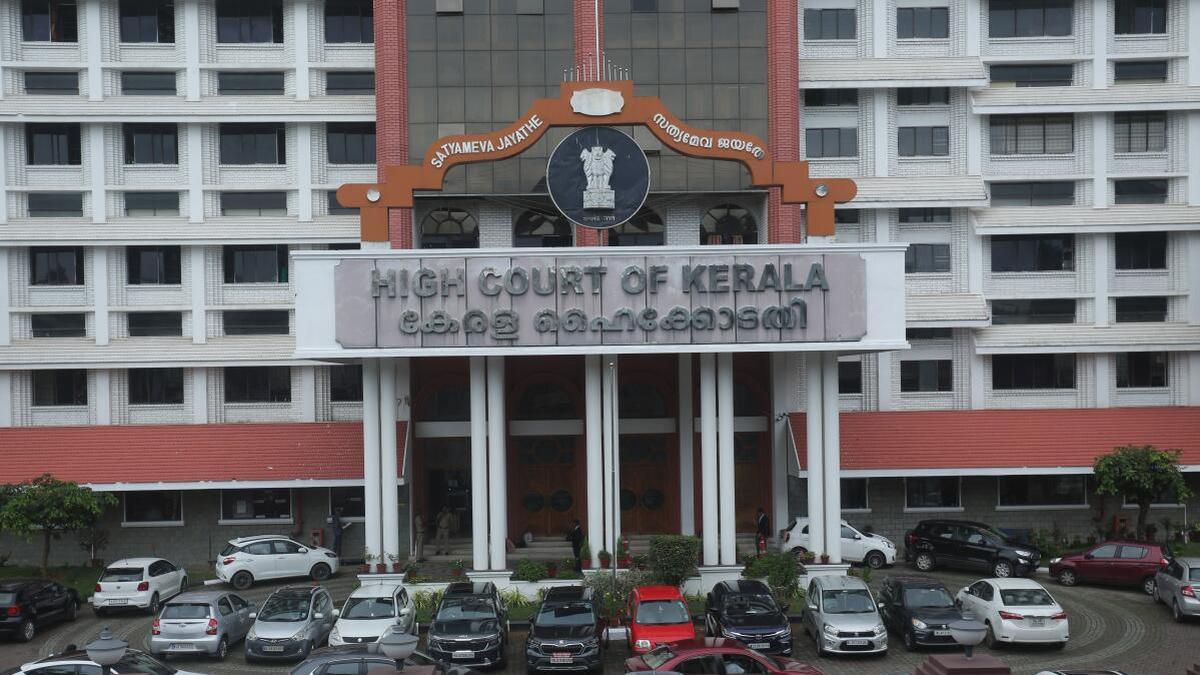
A severe security breach has hit the Kerala judiciary after authorities discovered that high-end wristwatches and vital evidence tied to more than a hundred criminal proceedings have vanished from the premises. The alarming disappearance came to light when administrative personnel attempted to access the seized items for an ongoing procedure, triggering widespread concern over evidentiary integrity.


- Luxury watches and critical evidence connected to 124 distinct legal files have gone missing from a court repository in Kerala.
- The breach was exposed only when court personnel tried to retrieve a specific timepiece for standard judicial processing.
- The incident has ignited severe concerns regarding the security protocols and management of material evidence within regional judicial archives.
In a profound security failure that has sent shockwaves through the regional judiciary, authorities in Kerala have discovered that luxury wristwatches and material evidence tied to 124 separate legal dockets have vanished from a court archive. The alarming discrepancy came to light when administrative officials tried to retrieve a specific high-end timepiece for official verification, only to find the storage container empty.
This unprecedented breach highlights deep vulnerabilities in how regional judicial bodies safeguard material evidence collected during criminal investigations. Court exhibits, ranging from high-value luxury items to critical forensic proof, are legally required to remain under strict, tamper-proof surveillance until cases reach a definitive legal conclusion, making this large-scale disappearance a severe protocol violation.
According to investigative updates from NDTV India, internal inquiries are currently scrambling to piece together how dozens of sensitive case files and luxury assets could vanish without immediate detection. Legal analysts note that missing exhibits not only compromise ongoing prosecutions but also severely damage public trust in the institutional safeguarding of evidence.