india
By Wire Chronicle Bureau•Saturday, October 31, 2026 at 07:15 AM2 min readVerified Wire Report
Kerala PSC Exam Scandal: Crime Branch Files FIR Against Chairperson and Members Over Political Favoritism
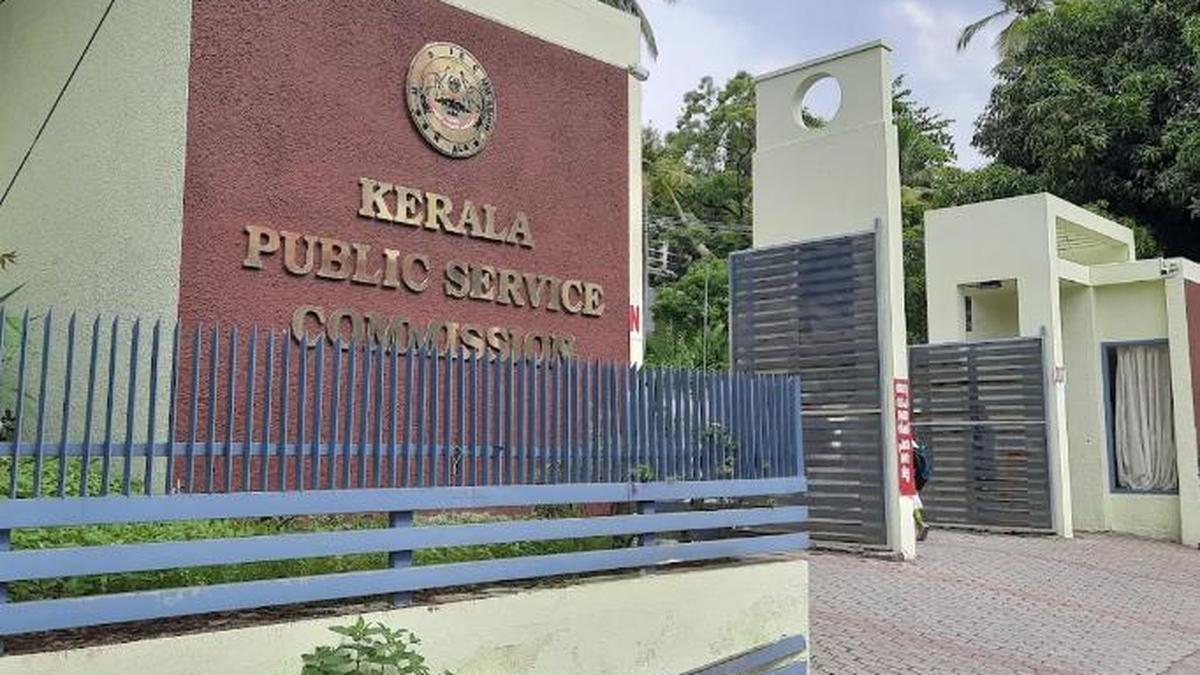
THIRUVANANTHAPURAM — In a stunning development shaking the foundations of public administration in southern India, the Kerala Crime Branch has officially filed an First Information Report (FIR) implicating the chairperson and sitting members of the Kerala Public Service Commission (KPSC) in a major recruitment scam. The high-stakes investigation accuses the top constitutional officials of criminal breach of trust and the deliberate perversion of their official authority to manipulate competitive examination outcomes. According to the police findings, the board allegedly doctored official rank lists to guarantee state employment for favored applicants maintaining direct ties to the ruling Communist Party of India (Marxist).
This explosive indictment exposes deep-rooted vulnerabilities within India's autonomous civil service recruitment mechanisms. For decades, the KPSC has functioned as the gateway for public sector employment in the state, theoretically shielded from partisan political pressures by constitutional safeguards. However, the latest disclosures suggest that institutional safeguards were systematically bypassed, turning a merit-based evaluation framework into an instrument of political patronage. The ongoing probe traces back to persistent allegations and whistleblower complaints regarding leaked examination questions, arbitrary interview scorings, and suspicious last-minute alterations to final selection rosters.
According to investigative reports published by The Hindu, law enforcement agencies have gathered substantial digital and documentary evidence substantiating the collusion between high-ranking administrative officials and party cadres. While opposition leaders have seized upon the developments to demand immediate mass resignations and a wider judicial inquiry, representatives for the state government and the accused officials have yet to issue comprehensive formal rebuttals addressing the specific statutory violations cited in the police dossier. Legal experts note that the inclusion of charges related to breach of trust significantly elevates the severity of the potential judicial fallout for those named.
As the investigation enters its next critical phase, the Crime Branch is expected to summon the indicted officials for formal interrogations and expand the audit to cover previous recruitment cycles. The unfolding scandal poses a severe political test for the state administration, threatening to ignite intense public demonstrations and legislative gridlock over transparency in governance. Observers predict that the case will prompt urgent calls for systemic reforms to insulate independent oversight bodies from partisan interference across the nation.