Mehbooba Mufti Rejects Delhi's Coercive Approach in Kashmir, Citing Failed Experiments and Legal Overreach
Former Jammu and Kashmir Chief Minister Mehbooba Mufti has strongly criticized the central government's reliance on stringent laws and aggressive tactics to suppress dissent in the region. She argued that enduring peace can only be achieved through compassionate dialogue rather than coercive policing.

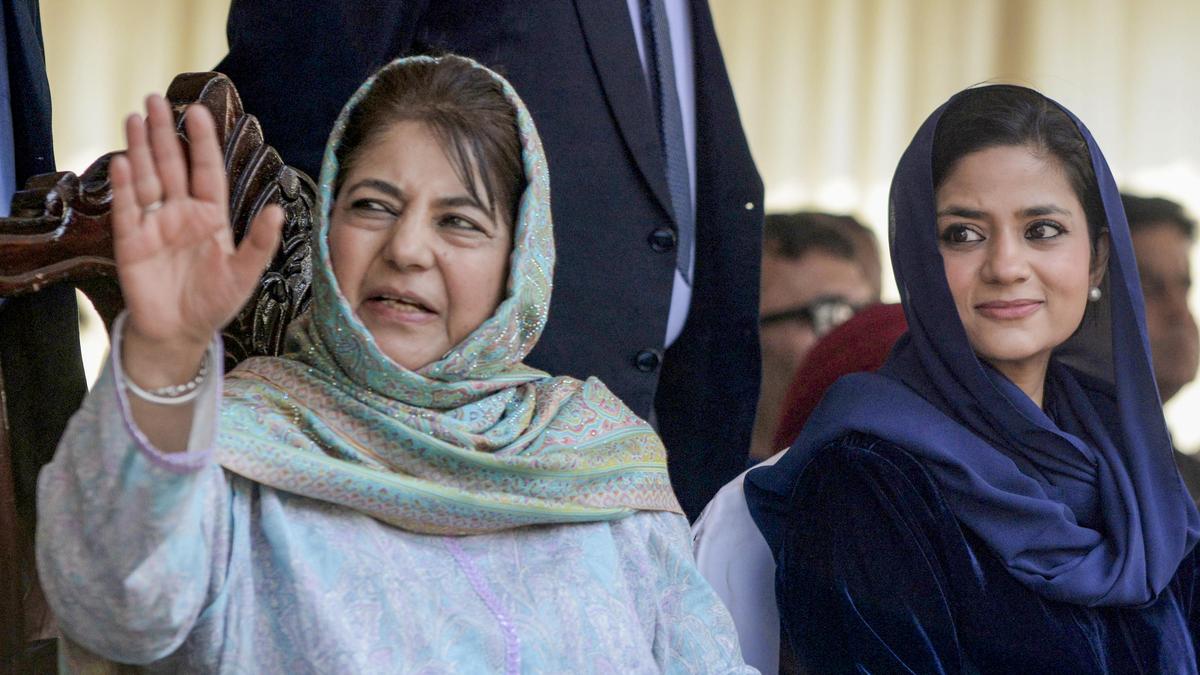
- Mehbooba Mufti asserts that heavy-handed security measures and the Unlawful Activities Prevention Act (UAPA) have failed to bring stability to Jammu and Kashmir.
- She drew a parallel between the recent demonstrations in the national capital and the decades-long clampdowns experienced by residents in the Kashmir Valley.
- The former chief minister advocates for a healing-oriented political dialogue to address the core grievances of the region.
SRINAGAR — Former Jammu and Kashmir Chief Minister Mehbooba Mufti launched a sharp critique against New Delhi's governance strategy in the union territory, declaring that aggressive administrative measures and heavy-handed policing will ultimately fail to establish lasting harmony. Addressing a public gathering, the prominent regional leader emphasized that forced tranquility achieved through the deployment of draconian legislation and baton-wielding security forces is unsustainable.
The debate over Jammu and Kashmir's security paradigm stems from years of intense counter-insurgency operations, stringent internet shutdowns, and the widespread application of the Unlawful Activities Prevention Act (UAPA) following the revocation of Article 370. Successive administrations in New Delhi have defended these measures as vital for national security and the containment of separatist movements, whereas regional political actors frequently characterize them as systemic violations of civil liberties that deepen alienation among the local populace.