india
By Wire Chronicle Bureau•Saturday, October 31, 2026 at 09:41 AM2 min readVerified Wire Report
India's Silent Crisis: Why Everyday Road Fatalities Outshine Rare Aviation Tragedies in National Discourse
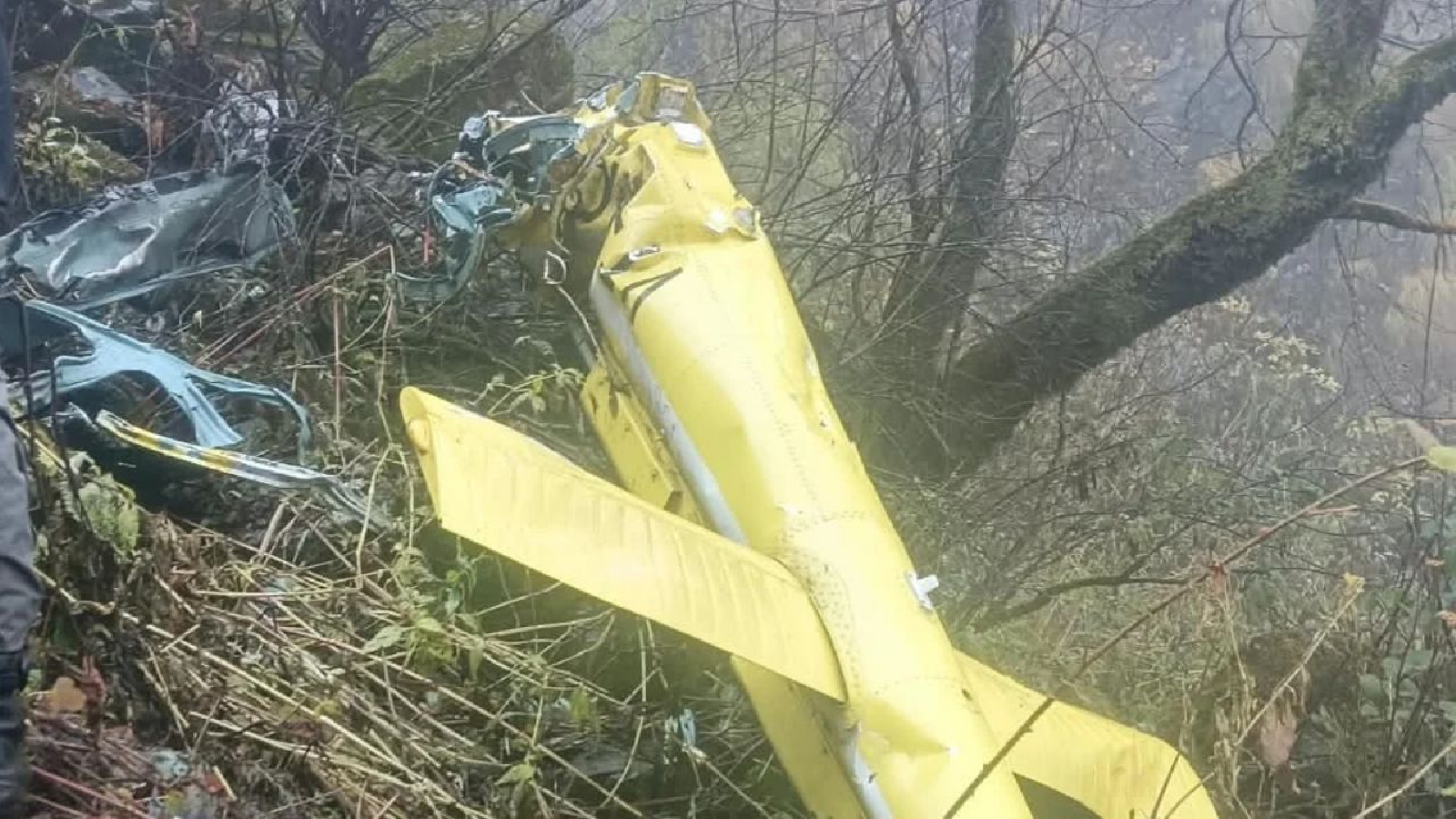
NEW DELHI — While high-profile aviation disasters routinely dominate global headlines and incite immediate public panic, India's vast network of roadways witnesses a relentless, daily accumulation of fatalities that largely escapes sustained national outrage. This grim reality highlights a profound psychological and media bias, wherein rare, catastrophic air crashes overshadow the pervasive, everyday carnage occurring on national and state highways.
Historically, transportation safety debates have disproportionately reacted to extraordinary events rather than chronic, systemic dangers. While a single commercial aviation incident triggers exhaustive international investigations and sweeping regulatory reviews, the thousands of lives lost annually on poorly maintained Indian roads are frequently normalized as an inevitable cost of modern transit and urbanization.
According to investigative reports by the Times of India, the disproportionate focus on aerial mishaps severely distorts public perception regarding true mortality risks. Traffic safety advocates argue that this cognitive bias directly translates into delayed policy responses, insufficient allocation of remedial highway infrastructure funds, and a general apathy toward enforcing strict vehicular safety standards across the country.
Looking ahead, transportation analysts and safety coalitions are urging policymakers to reallocate resources toward comprehensive road safety overhauls. Without a fundamental shift in how media and government institutions prioritize mass mortality events, India's quiet highway crisis will continue to exact a devastating toll unchecked.