India Will Never Open Dairy Sector or Permit Genetically Modified Imports: Piyush Goyal
Union Commerce and Industry Minister Piyush Goyal reaffirmed India's strict protectionist stance regarding agriculture and dairy during a recent university address in the capital. He emphasized that New Delhi consistently safeguards the livelihoods of domestic farmers, fishermen, and small businesses during international trade negotiations.

- India maintains a strict zero-tolerance policy regarding the commercial importation of genetically modified agricultural goods.
- The domestic dairy industry remains permanently off-limits in all bilateral and multilateral trade agreements to protect local producers.
- Government trade policy continues to prioritize the economic defense of small-scale farmers, fishermen, and micro-enterprises.
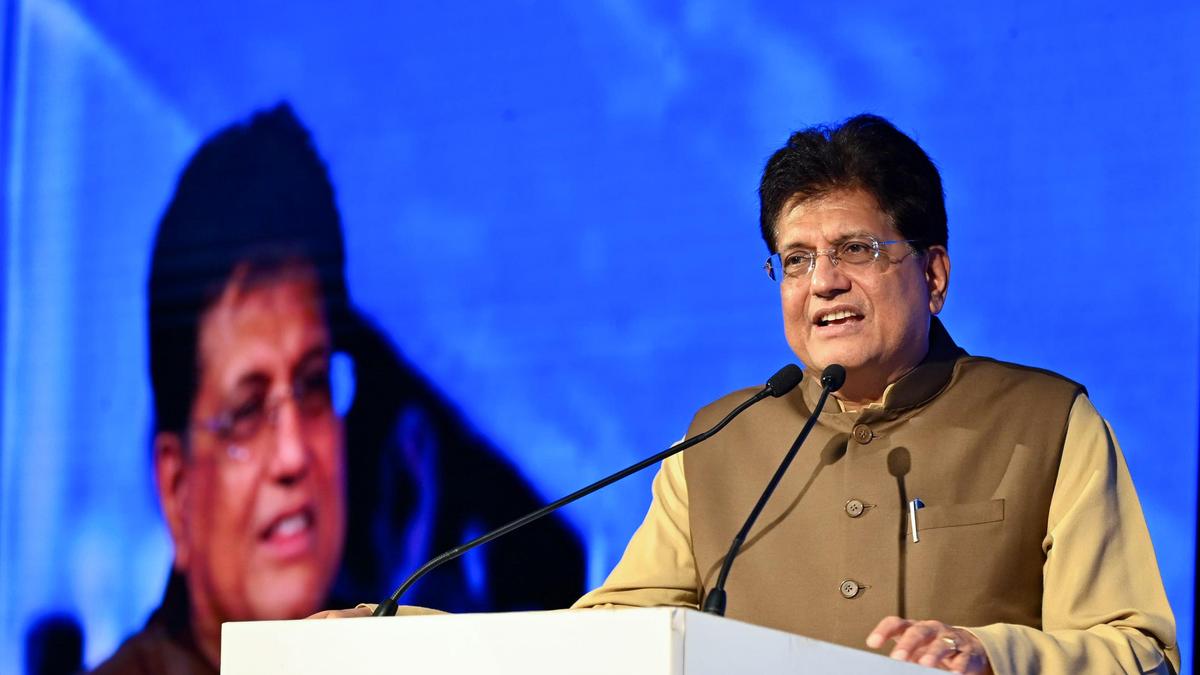
NEW DELHI — Union Commerce and Industry Minister Piyush Goyal announced firmly on Thursday that the nation has consistently blocked the entry of genetically modified merchandise and will steadfastly refuse to open its domestic dairy industry to foreign competitors. Speaking before an audience of undergraduates at Kirori Mal College in the national capital, the senior cabinet official underscored that safeguarding the economic security of local agriculturalists remains a non-negotiable priority for the administration.
The emphatic declaration arrives amidst ongoing global trade discussions where industrialized nations frequently pressure emerging economies to lower barriers on agricultural commodities and advanced biotechnology products. Historically, New Delhi has resisted such external demands to prevent foreign corporate monopolies from destabilizing traditional agrarian livelihoods and indigenous food production networks.
According to reports published by The Hindu, Goyal emphasized that the state has never compromised on sensitive economic sectors during past international negotiations, consistently putting the welfare of domestic constituencies first. He highlighted that vulnerable segments of the workforce, including rural agriculturists, coastal fishing communities, and micro, small, and medium enterprises (MSMEs), continue to receive robust protective safeguards in every comprehensive economic partnership.