IISc Breakthrough: Novel 3D-Printed Model Revolutionizes Oncology Drug Testing
Researchers at the Indian Institute of Science have successfully engineered an advanced 3D-printed platform designed to analyze how therapeutic compounds infiltrate cancerous masses. This groundbreaking development promises to significantly enhance the precision and efficiency of future oncological treatments.

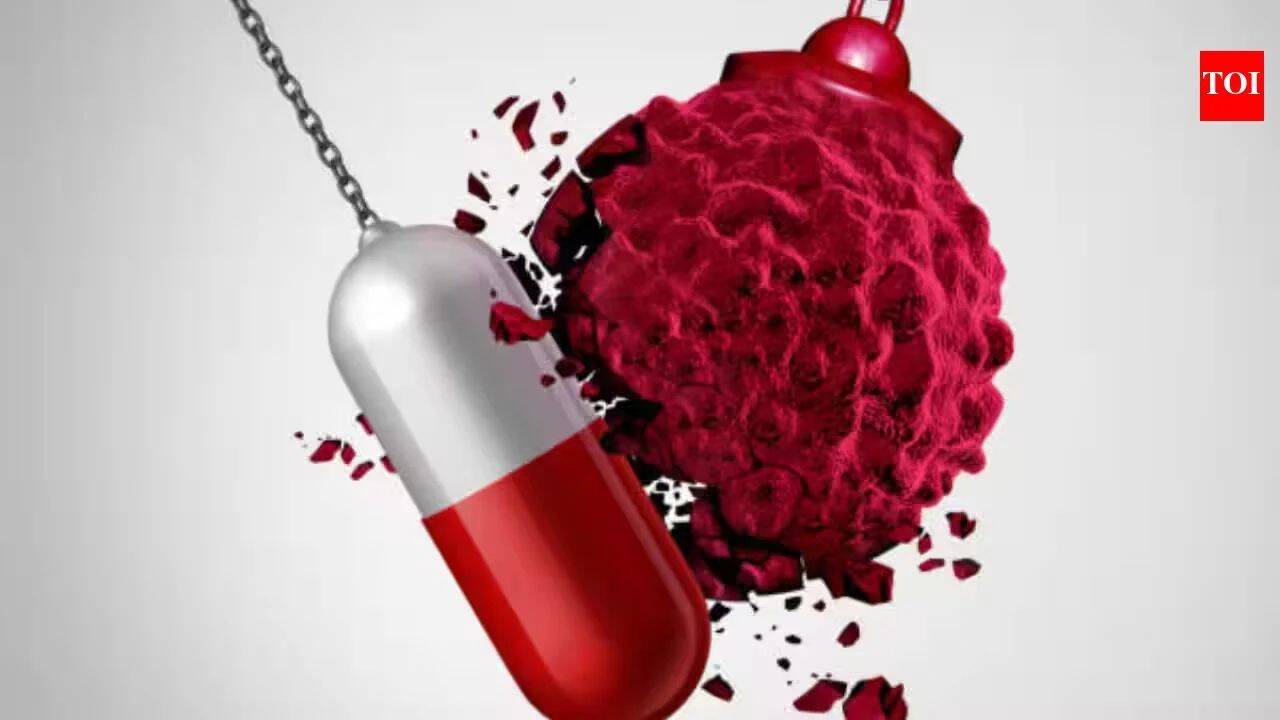
- The Indian Institute of Science (IISc) has engineered an innovative 3D-printed testing model.
- The new platform specifically maps and measures how various cancer medications penetrate solid tumors.
- This technology aims to bridge the gap between traditional laboratory testing and successful clinical outcomes.
BENGALURU — Researchers at the esteemed Indian Institute of Science (IISc) have successfully designed and fabricated an innovative 3D-printed platform aimed at evaluating the precise penetration mechanics of anti-cancer medications within solid tumors. Unveiled this week, the cutting-edge model offers scientists an unprecedented look at the microenvironmental barriers that pharmaceutical treatments routinely encounter inside the human body.
Historically, oncological research has struggled with replicating the complex, three-dimensional architecture of human tumors in standard laboratory settings, often leading to discrepancies between preclinical trials and patient responses. Traditional flat-surface cell cultures fail to capture the dense extracellular matrix and pressure gradients found inside real tumors, which frequently prevent lifesaving drugs from reaching their intended targets. By simulating these intricate biological hurdles, the newly engineered IISc model effectively addresses a decades-old bottleneck in targeted drug delivery.
According to reports detailed by the Times of India, this academic breakthrough is poised to transform how laboratories screen pharmacological compounds before advancing them to human trials. Experts in the medical community have lauded the development, noting that visualizing real-time drug diffusion through engineered tissue analogs could fundamentally shift the paradigm of modern cancer therapeutics.