Renowned Historian Romila Thapar Argues Hindutva Narratives Stem from Colonial-Era Historiography
- •Romila Thapar contends that modern Hindutva ideologies inadvertently rely on foundational frameworks established by British colonial administrators.
- •The prominent scholar suggests that prioritizing hard material data, such as ancient epigraphs, would yield a radically different historical paradigm.
- •The critique highlights an ongoing ideological battle over how India's complex antiquity is taught, understood, and politically weaponized.
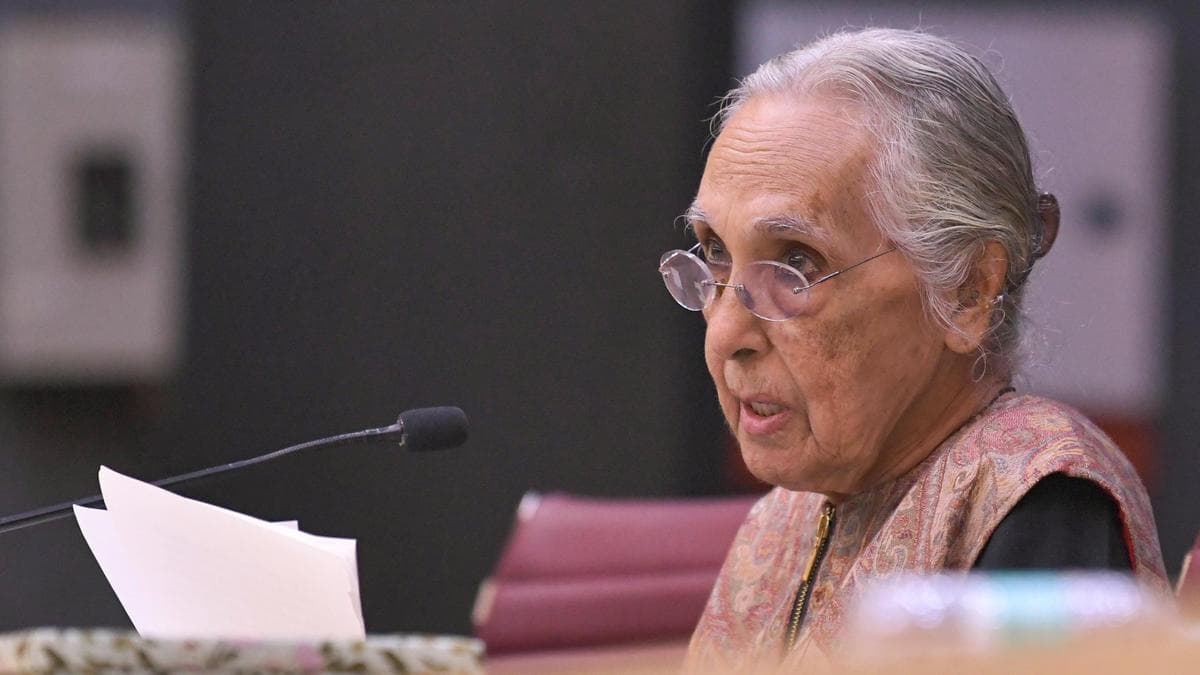
NEW DELHI — Eminent historian Romila Thapar asserted during a recent academic discourse that current nationalist interpretations of India's ancient trajectory remain heavily indebted to analytical frameworks originally forged by British colonial rulers. Speaking on the enduring methodologies used to study the subcontinent's antiquity, Thapar critiqued how contemporary ideological movements continue to echo imperial biases rather than adopting rigorous, empirical standards.
This academic critique touches upon a decades-long struggle over historical revisionism within the nation. For generations, scholars have debated the extent to which British administrators shaped indigenous historiography to serve political control, often imposing rigid communal categories onto a historically pluralistic society. Thapar’s latest intervention places the modern right-wing narrative squarely within this lineage of flawed, externally influenced perspectives.
According to insights published by The Hindu, Thapar underscored that a more rigorous engagement with physical documentation—specifically stone and copper-plate inscriptions—might have steered academic scholarship toward vastly alternative conclusions. By overlooking granular, material evidence in favor of generalized ideological assumptions, mainstream historical accounts have frequently missed the nuanced socioeconomic realities of early eras, she noted.
As academic circles and cultural institutions continue to grapple with textbook revisions and curriculum updates, Thapar's observations serve as a critical reminder for future historical research. The debate is expected to further polarize discussions surrounding educational autonomy, national identity, and the methodologies required to accurately reconstruct India's multifaceted past.