india
By Wire Chronicle Bureau•Friday, October 30, 2026 at 05:58 PM2 min readVerified Wire Report
Jaishankar Condemns Strait of Hormuz Vessel Attacks at G20, Warns Developing Nations Pay the Highest Price
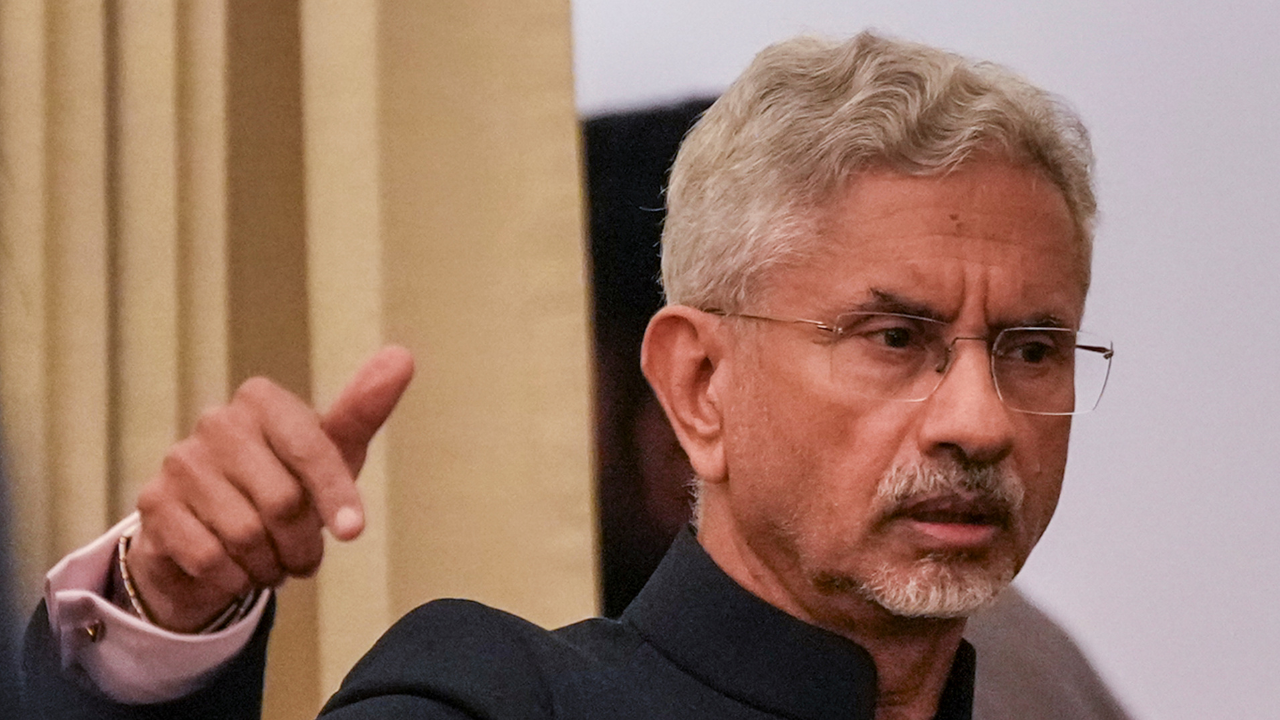
NEW DELHI — Addressing the G20 ministerial gathering, External Affairs Minister S. Jaishankar delivered a sharp critique regarding the surging assaults on commercial vessels near the Strait of Hormuz, emphasizing that the developing world is shouldering the gravest consequences of these regional conflicts. The diplomatic intervention brings renewed international focus to the perilous security environment plaguing vital global shipping lanes, specifically drawing attention to the immediate dangers confronting Indian maritime professionals operating in the zone.
This latest diplomatic stance builds upon mounting anxieties over maritime security in Western Asia, where persistent hostilities have consistently threatened international supply chains and energy corridors. Over recent months, commercial vessels transiting through critical chokepoints have increasingly become targets of hostile actions, triggering soaring insurance premiums, extended transit schedules, and acute vulnerability for multicultural crews, including a significant workforce of Indian nationals.
According to reports by Times of India, New Delhi's top diplomat utilized the multilateral platform to underscore how geopolitical friction inevitably cascades into severe economic hardships for emerging markets. Officials familiar with the proceedings noted that India's persistent advocacy for secure maritime commerce reflects its deep stake in regional stability, given that a substantial portion of the nation's energy imports and trade pass directly through these contested waters.
Looking ahead, India is expected to maintain robust diplomatic pressure within international coalitions to secure maritime corridors and enforce protective frameworks for civilian crews. As global trade stakeholders monitor the situation, the ongoing tensions are likely to shape upcoming maritime security dialogues, prompting calls for coordinated multinational naval patrols and intensified diplomatic engagement to safeguard vulnerable shipping lanes.