COVID-19 Backlash Deepened Beijing's Global Hostility, Says Foreign Secretary Vikram Misri
India's Foreign Secretary Vikram Misri recently observed that international censure during the COVID-19 pandemic severely entrenched Beijing's defensive and uncompromising posture toward the international community. Reflecting on his diplomatic tenure, Misri highlighted the intense diplomatic pressures surrounding the 2020 military standoff in the Galwan Valley.
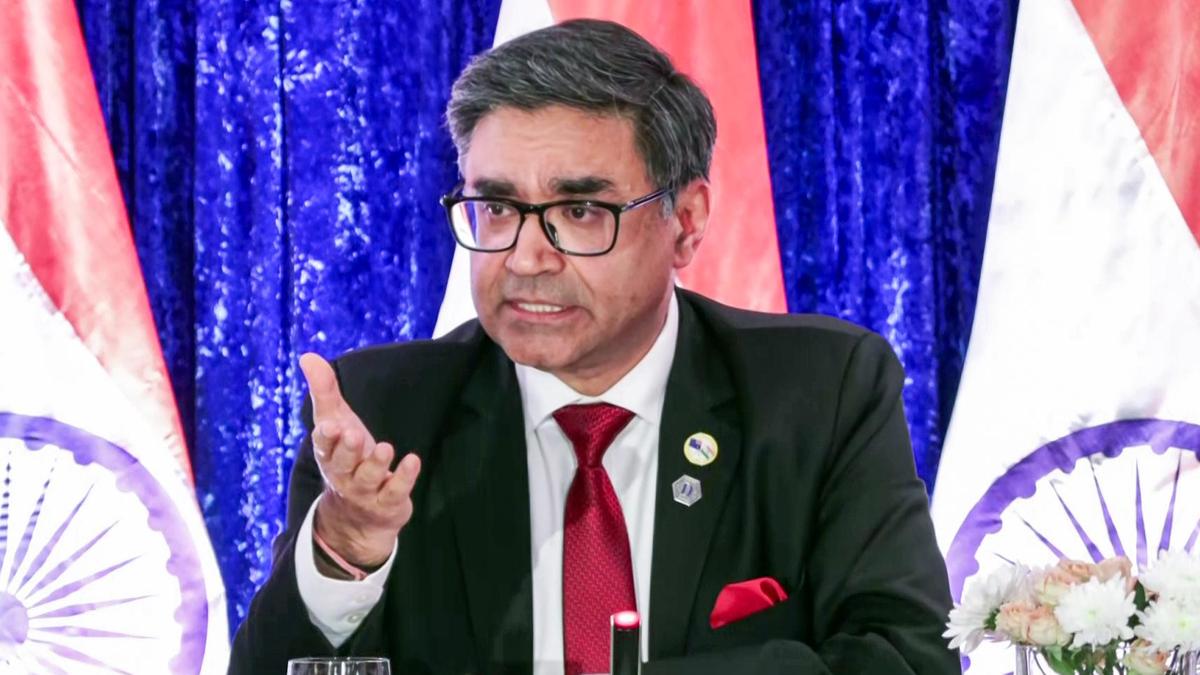
- Foreign Secretary Vikram Misri notes that worldwide pandemic-era criticism made Beijing significantly less receptive to international diplomacy.
- Misri recounted managing severe bilateral friction as India's ambassador during the unprecedented 2020 Galwan Valley crisis in eastern Ladakh.
- The remarks underscore ongoing strategic complexities and persistent trust deficits shaping contemporary India-China relations.
NEW DELHI — India's Foreign Secretary Vikram Misri asserted during a high-profile diplomatic address that worldwide condemnation of Beijing in the wake of the COVID-19 outbreak profoundly hardened the Chinese leadership's diplomatic stance toward the international community, shifting their geopolitical calculus significantly.
Elaborating on the historical backdrop of these developments, Misri reflected on his tenure as India's top envoy in Beijing, a posting defined by the severe geopolitical friction following the violent 2020 military confrontation in the Galwan Valley of eastern Ladakh. This watershed moment dismantled decades of fragile border management protocols, plunging bilateral ties into their deepest freeze in decades and fundamentally altering New Delhi's security assessments regarding its northern neighbor.
According to reports published by The Hindu, the senior diplomat emphasized that the convergence of pandemic-related global scrutiny and territorial aggression created a uniquely volatile operating environment for foreign missions in China. This dual pressure cooker tested the limits of traditional diplomatic communication channels and forced a comprehensive recalibration of India's strategic posture along the contested frontier.
Looking ahead, these candid evaluations from top-tier foreign policy architects signal that normalization between New Delhi and Beijing will remain a protracted, highly cautious endeavor. As both nations navigate ongoing disengagement talks and broader geopolitical shifts, the institutional memory of the Galwan crisis and pandemic-era hostility will continue to heavily inform India's long-term defense and foreign policy doctrines.
Reader Sentiment & Assessment
86 responsesHow do you evaluate this investigative report? Anonymous 1-click reaction.
Start Your Day With Verified Intelligence.
Essential national dispatches, market intelligence, and global investigations delivered directly to your inbox every morning at 7:00 AM. Zero fluff, 100% verified.